Archives

Dhanmati Yadav

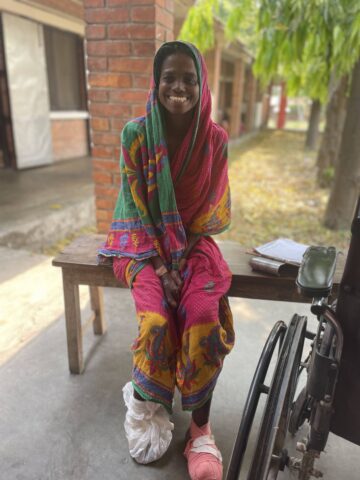
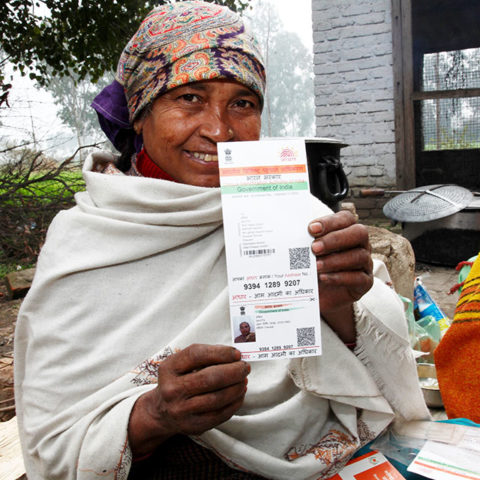
Dhanmati Yadav, a 71-year-old woman from Tarkulla, Om Satya Rural Municipality of Rupandehi, was diagnosed with leprosy after developing skin patches without sensation of touch. Despite taking other medications for over a year, her skin condition did not improve. Upon referral to the Butwal hospital and a skin smear test, she was confirmed to have leprosy. However, after a year of continuous Multi Drug Therapy medication, Dhanmati has been completely cured.
Dhanmati’s case is unique because, at her age, she did not show any fear or panic when diagnosed with leprosy. Instead, she was determined to follow her medication regimen strictly, with the help of her granddaughter-in-law’s reminders. She credits her family’s support and love for her speedy recovery.

Living in a joint family with three sons and their families, Dhanmati is a matriarch who enjoys spending time with her great-granddaughters and watching hindi movies on television. Her youngest son serves in a security force and is stationed in Surkhet, some 300 kms away. Dhanmati is the happiest when he comes back for his holidays. Despite her age and medical condition, she remains active and religiously performs her regular Pujas and offerings. She is proud of having visited Pashupatinath temple, one of the most revered Hindu pilgrimages in Kathmandu seven times already and wishes to visit again.

Although Dhanmati suffers from joint ache and pain in her knees, she continues to enjoy spending little time with the water buffaloes that her family rears in a shed behind their ancestoral home. Dhanmati’s family owns 4 kathas of land, which has been divided among her sons who continue the family’s occupation of agriculture. When feeling well, she visits her other son who lives in another village nearby on foot.

Dhanmati’s family members are vigilant about any signs of leprosy and have any skin patches or blisters checked up for signs of the disease whenever possible. She now has to have medicines for high blood pressure daily though. The family is also grateful that Dhanmati was diagnosed early and recovered quickly. Her family’s care and affection for her have also helped her to overcome the difficulties of aging. Her granddaughters would take in turn to apply oil massage on her knees and feet whenever she has pain and sore limbs. Dhanmati’s story serves as a testament to the importance of early diagnosis, proper medication, and the love and support of family in overcoming any medical condition, including leprosy.

Thank you to TLM for contributing this story for #WorldLeprosyDay!

Leprosy in Sindh, Pakistan

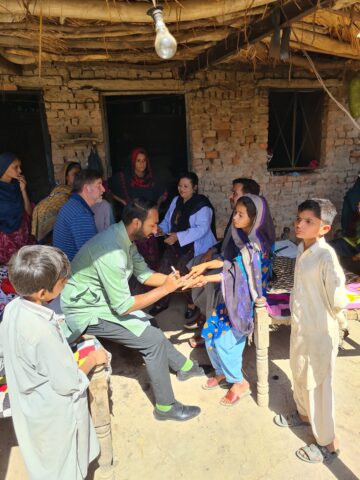
In the Pakistani province of Sindh, it is not often that medical personnel are in the area – especially not in the more remote villages. And this despite the fact that Sindh is a highly endemic area as far as leprosy is concerned. So, when a medical delegation, accompanied by DAHW Global Health Advisor Anil Fastenau among others, visited a small village in the province, word quickly spread among the residents – and up to a hundred people gathered to ask for medical advice.

The team examined around forty of them more closely, many of them children. One teenage boy was diagnosed with leprosy on the spot. Treatment was started immediately, and, with a bit of luck, the impairments are reversible.

However, the team was particularly impressed by a twelve-year-old girl, the boy’s cousin. She had heard some health education messages some time ago and realized that she had a skin patch with loss of sensation, which she had tested herself. She immediately went to a clinic, was diagnosed, received treatment, and will now have no disabilities.

So, the delegation realized: leprosy exists in this village. For this reason, certain contact persons were offered prophylaxis, which was very gladly accepted. This significantly reduced the risk of these people also contracting the disease. But the experience of this visit also shows that the messages about leprosy are getting through to the people. They are effective and they motivate those affected to seek medical aid. And in this way – with the support of our donors – we can succeed in eliminating leprosy throughout the country and to reach our goal of zero leprosy.

Thank you to DAHW for contributing this story for #WorldLeprosyDay!

Patili Maya – Ranichur Self-Help Group

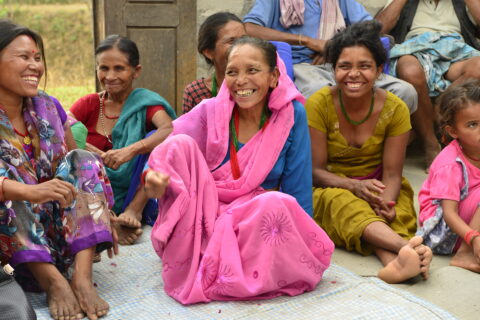
Patili Maya lives in a small village in rural Nepal. A few years ago, Patili Maya started to notice a loss of feeling in her feet. They developed wounds that wouldn’t heal. Her hands slowly became paralyzed. 

Eventually she was diagnosed with leprosy and received Multi-Drug Therapy. But she was left with the consequences of late diagnosis and treatment: extensive nerve damage, paralyzed hands, damaged feet. And, the terrible stigma. Patili Maya was reviled and rejected by her community. They were afraid of her. They hated her. 

A long, stony path leads from Patili Maya’s village to the main road. This path provides the only access between the village and the outside world. When Patili Maya would walk up that path, people would hurl insults at her; they tried to block her way, to stop her from even using the path. She says, “People were very cruel and treated me with such hostility, but I was determined to use the path, determined that one day people would understand that I am a woman of value.

One day, Patili Maya was invited to join a self-help group. Our partner, Lalgadh Leprosy Hospital, has helped establish self-help groups so people affected by leprosy can have an opportunity to improve their livelihoods. 

But the term “self-help” doesn’t fully reflect what Patili Maya’s group is truly about. Even though the members are poor and suffer from various disabilities, they are so much more than a group of people committed to pursuing self-interest. 

Patili Maya’s group decided they wanted to undertake a project that would show that they cared for the well-being of the whole community. The same community that had shunned them. 

After some discussion among the 24 members of the self-help group, a decision was reached. This group of poor, disabled and rejected people decided to improve the path to their village. The same stony path along which Patili Maya had struggled, suffering abuse from her community.

With picks and shovels, the self-help group worked to transform that stony path into a road; a road so that children could get to school more easily; a road so that villagers could get to the health post.  

But that road not only gave the community better access to key services, it gave Patili Maya’s group access to the hearts and minds of the community. 

No longer despised and rejected, now the members of the self-help group have become valued and respected members of the community.

With a huge smile on her face, Patili Maya says: “through the rest of my life, I will be part of this group because this is where love is, here is where I find peace and joy. I know my home is in Heaven but until I reach that home I will find my happiness in this group.

Thank you to ALM for contributing this story for #WorldLeprosyDay!

Sangeeta’s story: Battling leprosy stigma in Nepal

“I am still alive.”

Today, Sangeeta gives thanks for her life, despite navigating the terrible effects of leprosy and crushing stigma from her family and community.

Sangeeta is a member of Nepal’s Sada caste, who are frequently outcasts in their communities. Her husband and father-in-law spent much of the family’s income on alcohol, so Sangeeta worked as a farm laborer to help support her children.

When she first visited Lalgadh Leprosy Hospital and Services Center in 2020 for ulcer treatment, Sangeeta stayed for a whole month to get the care she needed. Years before, she didn’t finish a full course of the MDT drugs that cure leprosy. As a result, Sangeeta had numbness and disabilities in her hands and feet, as well as problems with her eyes. Despite these hardships, Sangeeta was thrilled to return to her children after the ulcer healed.

But conditions only worsened for Sangeeta and her family.

In 2022, Sangeeta developed another ulcer on her right foot. It looked and smelled so bad that the community drove her out of the village, down to the river where the dead are cremated. The villagers urged Sangeeta’s husband to poison her, then punished him when he didn’t. Abandoned by the village and her husband, Sangeeta nearly starved, but managed to escape and make her way back to Lalgadh.

This time, Sangeeta stayed at Lalgadh much longer, recovering from her physical and emotional trauma. Although her eldest daughter accompanied her, she went months without seeing her other children. Eventually, her village chased out the whole family because of their ties to Sangeeta, and they visited her at Lalgadh.

“I was happy because I was able to see my family,” Sangeeta explained. “I hadn’t seen them in about two months, so I was overjoyed.”

The team at Lalgadh recognized that Sangeeta needed more than a medical intervention to make a lasting difference in her life. After her family returned home, two of Lalgadh’s community development staff accompanied Sangeeta on a visit to her village.

The situation of Sangeeta’s family was distressing: a small, damaged house, no money for food, and the family banned from using the public water tap. Still, Lalgadh’s staff knew these issues were only symptoms of the larger problem: they spent time educating the village about the causes of leprosy and the importance of their participation in Sangeeta’s rehabilitation. This education will be the foundation for Sangeeta to build a life where she is accepted, not ostracized the way she was in the past.

Through thousands of stories like Sangeeta’s, Lalgadh Hospital demonstrates what a commitment to end leprosy means: not just medicine and treatment, but restoration to a whole and healthy life.

Thank you to ALM for contributing this story for #WorldLeprosyDay!

NNN Conference 2023

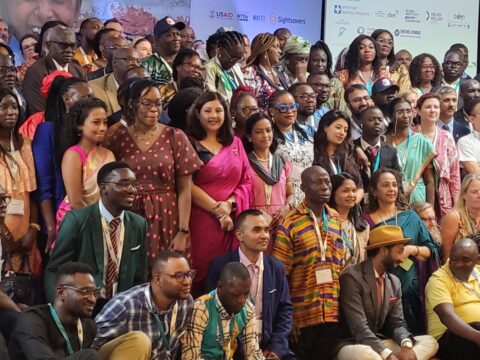
The annual conference of the Neglected Tropical Disease NGO Network (NNN) was held in Dar es Salaam, Tanzania from 19-21 September. There was strong representation from the leprosy world. More than 100 attendees had connections with leprosy organisations, including ILEP Member associations and people’s organisations. Six of the seven ILEP Advisory Panel members were active participants in the Conference and built a strong connection with the Tanzania Leprosy Association and also representatives from the newly formed AFRA-NTD, a consortium of associations of persons affected by leprosy and other NTDs in Africa.

Leprosy-specific group meeting

80 participants joined the 3-hour leprosy-specific group meeting facilitated by Christine Fenenga (ILEP Lift Leprosy Learning project) and Roos Geutjes (InfoNTD). The topic for the meeting was innovative integrated capacity strengthening. The combination of an expert panel, a presentation on the OpenWHO framework, and break-out groups helped the topic to come alive and yield new ideas and experiences. InfoNTD has launched a map on its website onto which people are encouraged to load examples of integrated capacity strengthening in many countries: you can view it here, and readers are encouraged to add initiatives that they’re aware of.

ILEP Member delegates were also very engaged in the Skin NTDs mini-summit, the Disease Management Disability and Inclusion (DMDI) cross-cutting group, and the many Conference workshops and breakfast sessions.

NTD Innovation Prize 2023

The awarding of the annual NTD Innovation Prize is an annual conference highlight. The call for 2023 was for ideas that leverage mapping and spatial analysis to target NTD interventions. ILEP member American Leprosy Missions, in partnership with Novartis, awarded the $40,000 Prize to ATRAP (Action Towards Reducing Aquatic snail-borne Parasitic diseases), a citizen-science initiative to combat schistosomiasis and other snail-borne diseases. You’ll find a good description of citizen science, and of the ATRAP project, here.

Sponsorship

ILEP was once again a Platinum sponsor of the NNN Conference thanks to financial contributions by The Leprosy Mission, NLR, GLRA, Lepra and Fontilles. Several ILEP members also contributed to the cost of enabling eight people from AFRA-NTD organisations to attend the Conference and have two days of interaction with the ILEP Advisory Panel.

Global Leprosy Update 2022

The WHO Global Leprosy Programme has published the Global Leprosy Update for 2022 in the Weekly Epidemiological Review and the Global Health Observatory. Because of the wealth of data presented, the annual Update is eagerly awaited by the leprosy community.  It is encouraging to see more countries reporting each year (182 countries in 2022). In addition, countries are reporting routinely through DHIS2, or by using a standard Excel reporting form, which helps to improve the quality and completeness of the data.

The number of new cases reported is declining year by year, with aberrant figures for 2020 and 2021 because of the COVID-19 pandemic, which diverted field activities throughout the world. The 2022 figures show a return towards the normal trend (see Figure 2 in the Update). There has been much discussion about active case-finding and the provision of single-dose rifampicin to contacts as post-exposure prophylaxis (SDR-PEP), as recommended by WHO, so it would be helpful to see data, by country, on the number of contacts being examined and the number being given SDR-PEP.  Publication of data allows progress to be seen, and is also an incentive to countries to match what others are doing.

Child cases in 2022 are presented in Table 3, but perhaps the most distressing figure is that almost half of all child cases with Grade 2 Disability are diagnosed in Africa with 133 cases out of a global total of 278 cases. The case numbers (DRC – 18 cases, Ethiopia – 42 cases, Mozambique – 12 cases, compared with Brazil – 44 cases, India – 55 cases and Indonesia – 28 cases), suggest a significant case management challenge for years to come (Table 5). Ideally, each of these children should be looked at individually in order to develop a tailored management plan, and also to learn how the diagnosis could have been made earlier.  Only 42 countries reported reactions (15,031 Type 1, and 6,296 Type 2 reactions), but the information by country is not included in Table 5, so it is difficult to draw out specific lessons.  Given that people pay more attention to what is published, there is a case to be made for presenting these more detailed data by country in the annual Global Leprosy Update.

WHO reports on laws that discriminate against people affected by leprosy and advocates for their repeal.  It would be good to find an additional indicator of positive support for people facing discrimination and one earlier suggestion was to report on the availability of peer counselling, or perhaps the number of people receiving training as peer counsellors.

The Editorial mentions the recently developed Leprosy Elimination Framework, under which various documents and tools have been produced and are available on the WHO website.  WHO has provided new definitions and guidance on the first of these topics, relating to interrupting transmission and eliminating leprosy disease. The basic tool for analysing the declining epidemiology of leprosy is called the Leprosy Elimination Monitoring Tool (LEMT), which is an Excel-based tool to demonstrate progress at sub-national level, focusing separately on child and adult cases. Child cases indicate progress towards interrupting transmission, while adult cases show subsequent progress towards eliminating disease.  The Excel sheet produces colour-coded results, which can easily be turned into maps.  This is an excellent tool with which to monitor leprosy epidemiology year-by-year.  Because two sub-national levels can be included (typically one higher level – state, province or region – and one lower level – district or municipality), one can immediately see where the main clusters of leprosy are, enabling interventions to be more precisely targeted.

In summary, the Global Leprosy Update presents valuable data on the current situation, as well as pointing towards a new paradigm, with a new definition of elimination. It would be great to see WHO present more data in future that point to this new paradigm: data on contact examinations and SDR-PEP; and better data on reactions to incentivize better case management of reactions and disability. Zero leprosy also includes a third arm – zero discrimination – so reporting new and relevant indicators in this area by country should be considered.  It can be argued that more data can facilitate the paradigm shift that WHO is calling for, so if space in WER is limited, perhaps supplemental data could be made available online

New WHO technical guidance: Interruption of transmission and elimination of leprosy disease

In a consultation event in Manila this month, World Health Organization released its new technical guidance Interruption of transmission and elimination of leprosy disease. This is the culmination of three years of work by a WHO task force which involved several ILEP member personnel, chaired by Dr Wim van Brakel from ILEP member NLR.

Publication of this new technical guidance is a significant moment for the leprosy world. It consists of three closely connected elements.

Interruption of transmission and elimination of leprosy disease

The main publication, Interruption of transmission and elimination of leprosy disease, is available here. It provides technical guidance on concepts, definitions, indicators, criteria, milestones and tools to assist leprosy programmes in their journey towards the goals of interruption of transmission and elimination of leprosy disease, and through the post-elimination period. It introduces the new Leprosy Elimination Framework (see below), a central feature in this new guidance. The emphasis is that although the elimination of leprosy is a long-term, continuous journey, clear milestones can be recognised on the way. Programme implementation can be assessed against benchmarks, guiding appropriate action to keep the programme on track. Importantly, the technical guidance covers all key aspects of leprosy programmes and services – not only those related to elimination efforts, but also those related to diagnosis and management of leprosy, leprosy-related disabilities, mental wellbeing, stigma and discrimination and inclusion and participation of persons affected by leprosy.

Leprosy Elimination Framework

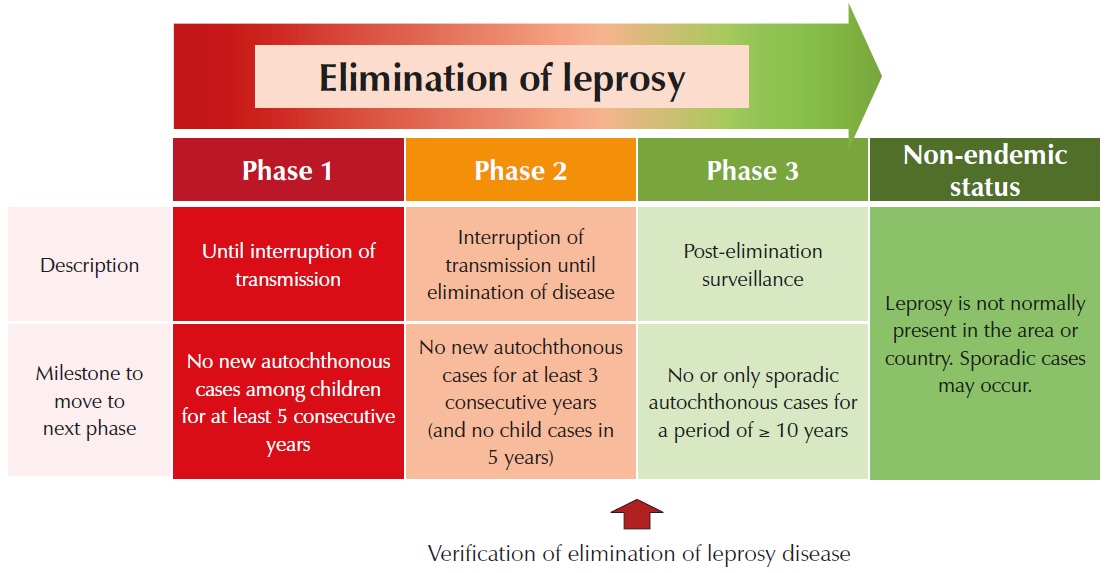
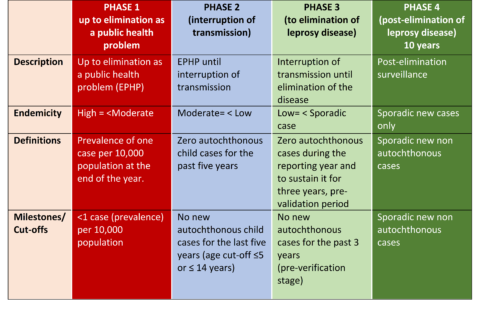
The new Leprosy Elimination Framework, reproduced below, is at the core of the technical guidance. In a very straightforward way it sets out the phases of elimination, along with the milestones that demonstrate when a country or sub-national area progresses through the phases towards the eventual achievement of non-endemic status. The arrow at the bottom of the table shows the point at which a country reaches the stage of elimination of leprosy disease and uses the Leprosy Programme and Transmission Assessment (see below) to seek verification by WHO that elimination has been achieved.

Leprosy Elimination Monitoring Tool

Leprosy Elimination Monitoring Tool is available here. The LEMT is based on the phases of elimination described in the Leprosy Elimination Framework. Using a country’s long term leprosy data, it provides a bottom-up process to build evidence for the interruption of transmission and elimination of leprosy disease. This is valuable not only for countries that are low endemic overall, but also for countries that have lower-endemic sub-national sectors.

The LEMT is accompanied by an Excel-based tool that countries can use to develop colour-coded tables that show progress towards elimination over time, and a colour-coded map that does the same. There are clear instructions for its use based on actual country data. The Excel tool is available but initial piloting suggests that programme staff or data analysts will benefit from training in its use before a full roll-out.

Leprosy Programme and Transmission Assessment

Leprosy Programme and Transmission Assessment is available here. The LPTA is an activity to be carried out by internal teams at two points in the journey described in the Leprosy Elimination Framework. There are detailed criteria and templates for each of these.

The first point at which an LPTA may be undertaken is when a subnational area reaches the milestone for interruption of transmission (ie zero autochthonous child cases for five consecutive years). Carrying out an LPTA at this point involves a workshop representing relevant leprosy services and facilities and a wider range of stakeholders. It helps to ensure that the focus is not solely on transmission but also on the many, broader aspects of well-functioning leprosy programme.

The second point at which an LPTA is needed is at national level at the end of Phase 2 of the Leprosy Elimination Framework. This is the moment when a country wants WHO to verify that elimination of leprosy disease has been achieved. The LPTA is carried out to document that all relevant programme criteria have been met and to examine trends of epidemiological indicators. The work involved is comprehensive. It includes review and validation of epidemiological data, assessment of health facilities that provide leprosy services, and verification of the programme criteria through observation during a field visit. The collected  evidence is compiled in a Leprosy Elimination Dossier to be submitted to WHO when the country reaches the milestone for elimination of disease in the country as whole.

Countries that have not detected any new leprosy cases in the past three years or more can use the LPTA at national level prior to or as part of the verification process. Countries that have had no new cases detected for more than 10 years are likely to be among the first to apply for verification.

Implications for ILEP

The Foreword to the WHO Global Leprosy Strategy 2021-2030 points out that the strategy is targeted not only at high-endemic countries but also at low-endemic countries that are close to achieving zero transmission. ILEP’s members usually work in high endemic areas, but we are already hearing calls from WHO regional teams and from Ministries of Health to support low-endemic countries as they seek to put this technical guidance into practice.

This is likely to include calls for ILEP to:

  • Expand its focus and increase the number of countries in which it is working.
  • Support countries to implement the LEMT. This is likely to include focus on data management and mapping, as well as on the technical aspects of using the tool.
  • Support countries to implement the LPTA, both at the end of Phase 1 of the Framework and at the end of Phase 2, to support external verification of elimination of leprosy disease.
  • Assist countries in the compilation of the Leprosy Elimination Dossier following completion of the LPTA assessments.

UN Special Rapporteur – Leprosy

The UN Special Rapporteur on discrimination against persons affected by leprosy and their family members, Alice Cruz, gave her final report to the Human Rights Council this month.

The report is a fine reflection on the achievements of her mandate during the past six years. ILEP considers these achievements to have been significant. We highlight:

  • The mainstreaming of leprosy or Hansen’s disease within the UN systems, showing the vital importance of addressing leprosy issues from a human rights perspective.
  • The adoption of a gender approach, recognising the dehumanising effect of harmful stereotypes and structural violence against women and children affected by leprosy.
  • The four country visits which offered States constructive recommendations to better safeguard the rights of persons affected by leprosy and their family members.
  • The exposure of the way in which discriminatory laws, regulations and customs formalise harmful stereotypes about leprosy and thus contribute to people’s ongoing social exclusion.
  • The proposed framework by which States can improve access to information, health services, decent work and employment, social protections and justice.
  • And finally, the mandate’s progressive empowerment of organisations of persons affected by Hansen’s disease, contributing to their stronger voice at national and international level.

But her report is also realistic in terms of what has not been achieved. It provides a lamentably long list of ongoing challenges, such as discriminatory laws that remain in force; institutionalised discrimination in education, healthcare and social service; denial of reparations to persons whose rights were violated by State-mandated segregation; and other deep-rooted attitudinal barriers. The report concludes with a summary of actions States need to take to address centuries of dehumanisation and denial of rights. ILEP echoes the Special Rapporteur’s call to States to take positive steps not only to prevent discrimination, but also to tackle it directly through specific measures aimed at accelerating or achieving de facto equality, non-discrimination, dignity and integrity.

ILEP delivered a written submission to the Human Rights Council in response to Alice’s report, and expressed heartfelt appreciation to the Special Rapporteur for all that she has undertaken in the past six years. Furthermore, ILEP took the opportunity to remind States parties and the Council that, although there has been commendable progress in terms of the expectations when this mandate was established, much remains to be done. ILEP echoed the call by organisations of persons affected by leprosy, worldwide, for a continuation of this important mandate. A decision on that matter is expected in mid-July


Statement in support of Special Rapporteur’s presentation to the Human Rights Council

ILEP’s statement welcomed the report and gave ILEP’s own perspective on the achievements of the mandate during the past six years. It also highlighted the long list of remaining challenges and the related recommendations of the UN Special Rapporteur, and echoed the call by organisations of persons affected by leprosy to extend the mandate.

Speech on NGO role in combatting stigma

The ILEP CEO proposed six ways in which ILEP members and other NGOs can contribute to the goal of zero leprosy-related stigma and discrimination. He also suggested reasons why States are slow to repeal and amend discriminatory laws.

Submission on UHC

ILEP supported a constituency statement urging Member States to champion health equity for persons with disabilities, and ensure accessibility of person-centred primary health care close to where people live and reaching the furthest behind first.

WHO Global Meeting on Skin NTDs

More than 800 people registered for the first WHO global meeting on skin NTDs (Geneva: 27-31 March). 50% listed leprosy as a disease interest, and many ILEP members were represented among the 300+ in-person participants. The number, quality and range of presentations was impressive, and it was no surprise to learn that WHO now intends to hold these meetings every second year. There were half-day sessions on country-level integration; training; surveillance and mapping; disability, rehabilitation, stigma and inclusion; transmission; diagnostics; treatments; and operational research.

WHO will publish a full report in due course, but in the interim we want to give ILEP Update readers a ’taste’ of some of the conclusions and recommendations. Please note that this is not offered as an exhaustive list but simply highlights of key take-home messages.

Overview

  • The cost to deliver the WHO NTD Roadmap 2021-2030 is currently unknown. Dr Socé Fall, the new Director of the global WHO NTD Programme, intends to remedy this, to give a focus for potential investors.
  • A review of the NTD Department is being undertaken in 2023: ILEP is invited to contribute.
  • There was a reminder that ‘cure’ does not occur until disability is managed and there is social inclusion.

WHO regions

  • South East Asia region will develop and pilot a regional toolkit for skin NTDs, followed by support for integrated skin NTDs programming at country level from 2025.
  • Americas region (PAHO) will design strategies to restore the capacity of leprosy control programs, to close the gap of undiagnosed patients that occurred during Covid.
  • Eastern Mediterranean region will mobilise financial resources and staff for intensified disease management in high-burden countries.
  • Africa region will strengthen health systems to improve skills in diagnosis, case management and surveillance, and support creation of a special funding mechanism to support NTD Roadmap implementation.
  • WHO Global Leprosy Programme will advocate for stronger preventive initiatives at country level, and for focused research into tools for diseases (like leprosy) targeted for elimination.

Topical sessions

Country-level integration:

  • WHO is putting attention onto risks in integration (such as loss of disease expertise).
  • Work is needed on methods of longer-term impact evaluation.
  • Access to NTD medications through national supply chains is still limited in many countries.

Training tools:

  • Importance of work currently being done to summarise and review existing training tools.
  • Opportunities around mHealth training apps, along with challenges such as connectivity, offline access, and availability in local languages.
  • Ongoing need for blended learning involving both e-tools and in-person training.

Mapping and surveillance:

  • Periodic mapping should be combined with routine surveillance and training of health personnel in the use of integrated data collection tools.
  • Skin NTDs need to be integrated into national surveillance systems, to give better understanding of disease burden, co-endemicity, and how to plan cross-cutting interventions.

Disability, rehabilitation, stigma, mental health and inclusion:

  • The millions experiencing life-long consequences of skin NTDs get little attention in most NTD programmes, and services are often fragmented across government departments.
  • Person-centred approaches, and co-creation with patient organisations, improve outcomes.
  • Operational research is needed to generate better data on these interventions.
  • We need to involve other UN agencies working on human rights.

Diagnostics:

  • More attention is needed to opportunities for integration at laboratory level.
  • New diagnostic approaches involving qPCR and mobile technologies are very promising in ‘bringing the lab to the patient’ (at the point of care).
  • Persons living with NTDs can be key players in ensuring that newly available diagnostic tests are actually brought into use.

Treatments:

  • Without new effective and safe drugs, the targets of the WHO NTDs Roadmap remain vulnerable.
  • Standardised wound care packages show potential, and there are good examples of strong community engagement improving the PHC infrastructure for wound care.

Operational research:

  • Implementation research is needed in many NTDs.
  • Systems approaches are needed to address the complex problem especially of the non-MDA skin NTDs.
  • Interventions can be co-developed with community members and persons affected

WHO NTDs Roadmap: Compendium of M&E Indicators

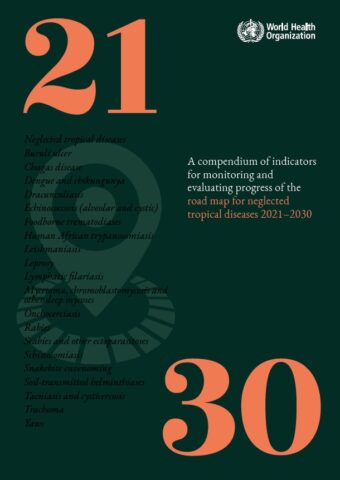
WHO has published A compendium of indicators for monitoring and evaluating progress of the road map for neglected tropical diseases 2021–2030. The compendium provides a comprehensive set of indicators to track the global effort to control and eliminate NTDs by 2030. They provide a common set of metrics for measuring progress, and help ensure that NTD programs are based on evidence and data.

Each indicator is presented using a standardised template that provides guidance on data sources and methodologies. Explanatory detail within the templates includes a clear definition of what is being measured, the unit of measurement including numerator and denominator when relevant, method of measurement or estimation, frequency of reporting, data source, and the primary level and frequency of measurement.

There are templates for each of the four over-arching target indicators:

  • Number of countries that have eliminated at least one NTD.
  • Number of NTDs that are eradicated.
  • Reduction in disability-adjusted life years (DALYs) related to NTDs.
  • Reduction in estimated number of people requiring interventions against NTDs. This provides a measure of changes in the disease burden over time.

These are followed by templates for ten cross-cutting target indicators:

  • Access to at least basic WASH in NTD-endemic areas.
  • Integrated treatment coverage index for preventive chemotherapy.
  • Number of countries adopting and implementing integrated skin-NTD strategies.
  • Reduction in the number of deaths from vector-borne NTDs.
  • Share of countries collecting and reporting NTD data by gender.
  • Share of countries including and budgeting for NTD interventions in their packages of essential services.
  • Share of countries reporting on all relevant endemic NTDs.
  • Share of countries with guidelines for management of NTD-related disabilities within national health systems.
  • Share of countries with NTDs integrated in national health plans.
  • Share of population at risk protected against catastrophic out-of-pocket expenditure due to NTDs.

For leprosy, the four indicators are the same as in the Global Leprosy Strategy 2021-2030:

  • Rate (per million population) of new cases with grade-2 disability.
  • Annual number of new cases detected.
  • Number of countries with zero new autochthonous leprosy cases.
  • Rate (per million child population) of new child cases with leprosy

Again, there are clear and informative templates providing guidance on each of these.

The indicators serve as a valuable tool for governments, NGOs, and other stakeholders to track and evaluate their efforts in the global fight against NTDs, to identify areas where progress is falling behind expectations, and to guide decision-making.

Changing discriminatory laws

At the International Leprosy Symposium in January, Brent Morgan shared the experience of ILEP member The Leprosy Mission (TLM) in working towards the repeal of all laws that discriminate against persons affected by leprosy. These laws exist in at least 23 countries, and include 93 laws in India alone, mostly at subnational (state) level. ILEP members are working in India with organisations of persons affected by leprosy and the Vidhi Centre for Legal Policy, in efforts to repeal or amend these laws.

In Nepal, persons affected by leprosy, ILEP members and others have been working closely together over several years to have a discriminatory marriage law amended. The Law Council and Justice Ministry have prepared a proposal to be tabled in parliament, and a strong consensus of support has built up in support of amendment, which it is hoped will pass in 2023.

Overall, TLM’s experience has been that there is no one set lobbying approach. Different government departments can be key actors in different jurisdictions. In India, for example, TLM’s starting point is to work with State Disability Commissioners, but lobbying is often undertaken with other duty bearers as well. Sometimes, government officials are unsure of how to proceed rather than being unwilling to do so. In one jurisdiction TLM has been asked to assist in drafting five sets of amending legislation. Since each government or jurisdiction is different, lobbyists need to tailor their approaches.

Some other key lessons from TLM’s experience are:

  • Significant time is needed to lobby many different government departments and officials.
  • Government officials change: sometimes the whole lobbying process needs to start again.
  • Involvement from the highest levels of government is more likely to be successful.

Repealing discriminatory legislation is important, but not enough by itself. Customary laws, traditions and societal attitudes remain a major barrier to achieving zero discrimination at community level. Brent described three interventions TLM is undertaking to promote zero discrimination:

  1. Livelihoods. TLM’s observation is that persons affected by leprosy who have an income or livelihood are less likely to be discriminated against. Hence the investment by TLM, and some other ILEP members, in livelihoods and employment programmes.
  2. Self-Advocacy by persons affected by leprosy. This is seen as the most effective advocacy. TLM trained 8,500 people in self-advocacy in 2021 and is currently following up to find what type of advocacy these people engaged in after the training, and what impact that had.
  3. Mobilisation of persons affected by leprosy through self-help groups. TLM, one of several ILEP members working with self-help groups, supports 2,200 groups globally. In group surveys, 95% of group members say they have improved social inclusion in their communities

Zero is possible!

At the International Leprosy Symposium at the Vatican in January, Dr Benedict Quao shared his experiences on participating in the implementation of the Global Partnership for Zero Leprosy (GPZL) country model in Ghana, Uganda and Nigeria. Dr Quao is National Leprosy Programme Manager in Ghana and a member of the GPZL Leadership Team, and is thus exceptionally well-placed to give an informed overview.

Impact of the GPZL Country Model in Ghana

New leprosy case numbers in Ghana have stabilised at 260-280 cases per year since 2017 following a decline from more than 1,000 cases per year at the beginning of this century. The proportion of new cases with Grade-2 disability has crept up to around 15% in recent years. These factors prompted the Ministry of Health in Ghana to invite GPZL to begin to implement its country model. A country review in 2020 led to the adoption of a zero leprosy roadmap, followed by development of a detailed action plan in 2021.

The action plan involved participation by fifteen separate Ghanaian and international partner agencies, which committed to provide the technical, financial and political support needed to reach its goals. The action plan was built around the four pillars of the WHO Global Leprosy Strategy 2021-2030, with specific and quantifiable deliverables within each pillar.

Positive impacts of the country model, seen especially since the adoption of the action plan, include:

  • Increased visibility of leprosy within and outside the health system. Examples include facilitation of approvals through enhanced engagement of senior leadership of services; provision of extra technical services to the Programme; the engagement of top-level political leaders; and the inclusion of leprosy in recent health services economic modelling done with support of WHO and UNDP.
  • Bringing together of existing partners, who were previously not well aligned, around a common focus.
  • Increased involvement by District Assemblies Common Fund, resulting (for example) in investment in a leprosy research facility and much-needed renovations at facilities including the national leprosy referral hospital.
  • Increased collaboration with other NTDs.
  • Implementation of new interventions including geo-localisation, SDR-PEP pilots, and a revamped morbidity management and disability prevention (MMDP) programme.

Observations on the GPZL Country Model in Uganda and Nigeria

Uganda was the first GPZL partner country to use some of the revised country model tools and processes developed in 2021, and the full set of tools was finally available for the Nigeria review. Experts for both countries were selected for involvement in the country review based on leprosy expertise, prior evaluation and local experience, and ability to travel with no restrictions due to the ongoing pandemic. There was remote support from the GPZL secretariat. In both countries, the leprosy programme is combined with TB, and a relevant feature was that the national TB/Leprosy Strategic Plan had expired or was shortly due to do so. Additionally, in Nigeria, the combination of Buruli ulcer into the leprosy programme’s scope allowed the external experts to include Buruli ulcer in the review and subsequent planning activities. The NTD programmes in both countries are separate from leprosy but were represented during stakeholder meetings. In Uganda, action planning happened well after the roadmap development, involving a separate meeting of stakeholders, whereas in Nigeria the two processes were combined.

Thoughts and conclusions

Partner countries have generally received the GPZL country model well. The major plus has been its ability to bring partners in-country around a common focus. It however takes great effort to engage broad sectoral stakeholders around the table, and ongoing work is almost always necessary after the stakeholder meeting. Critical success factors include:

  • Support by various technical experts as consultants.
  • Well-designed preparatory phases, which strengthen the entire review process.
  • Availability of prior validated data.
  • Appointment and engagement of a core group of stakeholders which should subsequently transition into a National Partnership for Zero Leprosy.

In terms of opportunities for improvement, Dr Quao proposed:

  • Greater clarity on what happens after the action plan is adopted (for example, monitoring and evaluation processes, and technical support).
  • More active exploration of opportunities for integration with other skin NTDs, along with evaluation of the challenges with some integration models such as between TB and leprosy.
  • Addressing imbalances in domestic resource mobilisation), noting that Governments normally fund infrastructure and HR costs, but other activities are still largely partner-driven.
  • Closer attention to the involvement of organisations of persons affected by leprosy.

ILEP statement

ILEP outlined how it works towards zero leprosy, specifically referring to the conclusions and recommendations from the first Vatican symposium in 2016

ILEP plenary statement

At the opening plenary of the Congress, ILEP used the four collaborative projects agreed by Members in June 2022 as a framework to describe ILEP’s emerging priorities and what these priorities say about the role of ILEP in the coming two to three years.

Rationale for investing in NTDs

WHO NTDs Department has recently launched another companion document to the NTDs Road map 2021-2030: A rationale for continued investment in tackling neglected tropical diseases. This new publication was written to motivate investment to reduce the burden of NTDs for millions of people worldwide.

The publication emphasises that investing in actions to combat NTDs is both economical and equitable. NTDs affect the health and well-being of more than a billion people worldwide and impose an unfair health and economic burden on the world’s most marginalised communities. But cost-effective interventions already exist for many NTDs: many of these are affordable even in low-income countries, and integrated approaches can reduce costs further. Tackling NTDs is thus seen as a vital contribution to economic prosperity, equity, and human health and well-being. Four country case studies are used to show the benefits of implementing cross-cutting approaches.

The investment rationale concentrates on cost-efficient interventions that will consolidate the gains of recent years and accelerate future progress: what the Roadmap calls ‘best buys’. These include continuation of proven cost-effective interventions, particularly preventive chemotherapy. In addition, there is the need for greater attention to diagnostics, monitoring and evaluation, access and logistics, and advocacy and funding. WHO emphasises that plugging these gaps by means of intelligent investment will contribute not only to lessening specific disease burdens but also to strengthening health systems in general.

The publication also draws attention to areas in which there is insufficient economic evidence. This is a very critical matter at a time of budget cuts and realignments of national and international priorities, and the threat that the Covid-19 pandemic will reverse decades of hard-won health gains.

WHO’s central argument is that investment in NTDs is fundamentally an investment in health systems and in the resilience of communities, both of which yield tangible benefits for people the world over.

Intelligent investment up front can save billions down the road. On the basis of the rationale set out in this publication, WHO calls on national governments and international funders to prioritise investment in NTDs.

Special Rapporteur’s report to UN General Assembly

UN Special Rapporteur Alice Cruz made her second report to the United Nations General Assembly this month. The topic is the limitations and challenges around national legal protections of the rights of persons affected by leprosy and their family members.  The report is currently available in English: other languages will follow.

Disability and impairments

Ms Cruz observes that disability, rather than impairment, is what marginalises, excludes and dehumanises people, but that ‘disability’ and ‘impairment’ are often confused in leprosy. She notes, for example, that the WHO gradings (up to Grade 2, visible impairments) are described as disability gradings but do not take into account the disability that results from the interaction between impairments and attitudinal or environmental barriers. Moreover, they count persons with impairment at the time of diagnosis but do not count persons who experience evolving impairments after release from MDT treatment.

Ms Cruz argues that the issues for people affected by leprosy have been left largely unexamined in guidance about disability, and suggests three reasons for this:

  • Leprosy is still predominantly seen as a health problem, not a disability issue
  • Leprosy related services have in many settings been delivered primarily by NGOs who have engaged in rights-based approaches only comparatively recently
  • Leprosy occurs mainly in the global South whereas much of the global narrative on disability comes from the global North

Persons affected by leprosy should therefore be classified as persons with disabilities in the CRPD convention, on the basis of prevalent physical and sensory impairments, widespread discrimination based on harmful stereotypes about leprosy, and the degree of psychological impairment that results from this discrimination.

Legal protections exist …

The Special Rapporteur’s research, and responses to her questionnaire, show that many countries maintain a solely medicalised approach in their disability-related regulations, and very few have provisions specifically for leprosy. More positively, some of the 23 WHO priority countries for leprosy do have regulatory frameworks in place in line with the social model of disability and the CRPD convention, and the report examines the provisions in place in five of these countries.

… But barriers are widespread

The analysis shows that many barriers continue to prevent people gaining full access to their rights, despite the legal protections that may be in place. There can be a stark difference between people’s legal rights and their experience of trying to access those rights ‘on the ground’. Examples include:

  • Medicalised definitions of disability and disability levels, especially significant in situations where medical practitioners need to ‘sign off’ on disability entitlements
  • Lack of information on rights and entitlements, or the unintelligibility of the information being provided
  • Paternalistic or abusive attitudes by duty-bearers that prevent access to benefits
  • Systemic discrimination that prevents access to healthcare workers or other officials

Recommendations

The Special Rapporteur concludes with a series of recommendations to UN States on their concepts of disability; on promoting equality and non-discrimination; on improving access to information; on strengthening access to health and rehabilitation services; on decent work and employment; on social protections; on access to justice and effective remedies; and on data collection.

ILEP welcomes the Special Rapporteur’s report and advises a close reading of it. ILEP supports her recommendations and joins her in calling on Member States to take positive actions to build and improve legal protections around the rights of persons affected by leprosy and their family members.

ILEP partner statement

ILEP outlined its current strategies in connection with the main themes of the WHO NTDs Roadmap and urged the inclusion of leprosy among NTDs that are the subject of current WHO studies regarding the effects of the Covid pandemic

Statement regarding discriminatory legislation

ILEP urged repeal of the discriminatory marriage law, with reference to Nepal’s obligations under the CRPD Convention and other relevant factors

NNN Conference 2022

The annual conference of the Neglected Tropical Disease NGO Network (NNN) was held from 13-15 September in a hybrid format: face-to-face in Kathmandu, Nepal, and online. The Leprosy Mission Nepal was the official host of the Conference.

There was strong representation from the leprosy world. More than one-third of the attendees had connections with leprosy organisations, particularly from Nepal and India, including ILEP Member associations and people’s organisations such as IDEA Nepal. Six of the seven ILEP Advisory Panel members were active participants in the Conference and built a strong connection with the IDEA Nepal representatives.

Discriminatory law

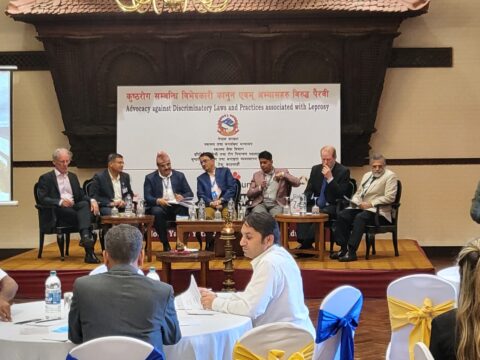
An advocacy event, organised by IDEA Nepal and ILEP Members working in Nepal, was held the day before the Conference. The aim of the event was to raise political and judicial awareness of marriage legislation in Nepal that discriminates against persons affected by leprosy. The audience heard that the law contradicts government statements that leprosy is not to be feared, and it is not in keeping with Nepal’s commitments under the CRPD Convention. Speakers from the Supreme Court, Bar Association and National Human Rights Institution talked about the process for changing the law. There was optimism that this can be accomplished by mid-2023.

Leprosy-specific group meeting

130 participants – almost half the in-person delegates – joined the 3-hour leprosy-specific group meeting facilitated by Andie Tucker (GPZL) and Geoff Warne (ILEP). The first half of the meeting covered the challenges and opportunities around integration of leprosy with other NTDs. Break-out groups discussed examples of integration with Skin-NTDs and what had made this integration successful. The second half included presentations and Q&A on the implications for ILEP Members of the forthcoming WHO guidance for countries wishing to assert leprosy elimination (defined as interruption of transmission) and included data from four low-endemic countries demonstrating the application of the elimination framework.

ILEP Member delegates were also very engaged in the Skin NTDs cross-cutting group and the Disease Management Disability and Inclusion (DMDI) cross-cutting group, as well as in the many Conference workshops.

Conference opening plenary

The President of Nepal was the chief guest, thanks to tireless work by Shovakhar Kandel (TLM Nepal) during the weeks leading up to the Conference. Other key speakers during the event included Amar Timalsina (member of the ILEP Advisory Panel) who used the history of IDEA Nepal to demonstrate how people’s organisations have enabled people affected by leprosy to have a clear and powerful voice; and Wim van Brakel (NLR and ILEP Technical Commission) who gave examples of ILEP Member collaboration with government programmes, local universities, and other partners to continue to improve the tools available to combat leprosy. He also spoke about the holistic nature of ILEP’s work, working towards zero transmission, zero disability and zero discrimination, and how ILEP and its Member associations have sought to infuse this holistic approach into the NNN community as a whole.

Sponsorship

ILEP was once again a Platinum sponsor of the NNN Conference thanks to financial contributions by The Leprosy Mission, NLR and Effect Hope. One benefit of sponsorship was an allocated display table which was shared with, and very capably managed by, Suzan, Chrysa and Roos from LRI and InfoNTD. This became something of a hub for ILEP Member personnel and others connected to the leprosy world.

Global Leprosy Update 2021

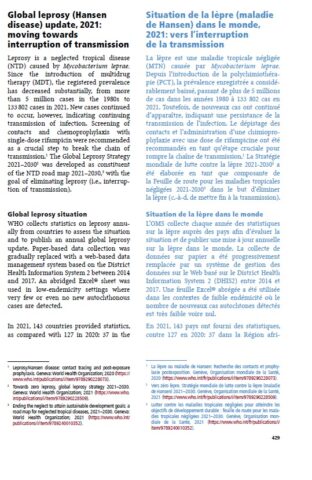
The WHO Global Leprosy Programme has published the Global Leprosy Update for 2021 in the Weekly Epidemiological Review and the Global Health Observatory. The reported data shows further progress in spite of the COVID pandemic, whose dampening effects on routine control activities are clearly demonstrated. It is encouraging to see that the number of countries reporting data has increased again (160 in 2019; 127 in 2020 and 143 countries in 2021) and as the DHIS2 reporting platform is more widely used, we may expect that the quality of the data is also improving each year.

The WHO report presents the current situation in detail, through comprehensive Tables and Figures, with additional information in the text about leprosy reactions, relapses, adverse drug reactions and antimicrobial resistance.  There is commentary on the effects of COVID-19 and on progress towards interrupting transmission.

The Editorial notes with concern the number of children diagnosed with Grade 2 disability (G2D), and this can be studied in more detail.  By region, the number of children with G2D at diagnosis during 2021 is as follows:

AFR 262
AMR 31
EMR 2
EUR
SEAR 62
WPR 11
Total 368

It is noteworthy that of all children reported with G2D, over 70% were diagnosed in Africa. Looking at the individual country data, there are 7 countries in Africa with 10 or more such cases (Angola, DRC, Ethiopia, Mozambique, Senegal, South Sudan and Uganda). It is important to realise, however, that we do not know the actual total number of new child cases with G2D. India only reported 41 (out of 4107 new child cases) and Indonesia (16 out of 1133), while Brazil reported 29 out of 761 child cases. It is likely, therefore, that the total number of child cases with G2D is considerably higher than that 368 reported in 2021.

Another surprise is that, as shown in Table 1 and Figure 3, AFR has overtaken SEAR for the first time, as the region with the highest number with G2D amongst all new cases. Last year’s Update for the year 2020 showed regional trends over ten years in the numbers of new cases with G2D (Table 2), with a steeply declining trend in SEAR and a slowly increasing trend in AFR. Table 4 in the current paper shows that Mozambique had a very marked increase in G2D numbers in 2021, although this may be mainly a reflection of the 41% increase in the total number of new cases reported in Mozambique since 2019 (2019: 2220; 2020: 2065; 2021: 3135). Such fluctuations may relate to changes in service provision during the pandemic, but may also be linked to better data collection and reporting.

These data should serve as a reminder that intensified efforts are needed in many countries in Africa. It may be that the data point to more activities and better reporting, but it is well-known that issues of infrastructure and capacity-building need much more investment across the continent if we are to reach the targets we have set.

Overall, it is good to note that childhood leprosy is declining globally quite steeply, as shown in Table 2, and that G2D at a global level is also declining gradually to the target of < 1 case per million (Table 1). Table 1 also points out, however, that Africa is well behind other regions in this regard.

Thirty-seven countries reported zero new autochthonous cases of leprosy, while 67 reported zero child cases. This indicates that many countries are well on the way to achieving the new milestones of interruption of transmission and elimination of leprosy disease. In fact, 14 countries have already reported zero new child cases for 5 consecutive years and have therefore met the new milestone for interruption of transmission.


With thanks to Dr Paul Saunderson, ILEP Technical Commission, for this commentary.

ILEP meetings, Brentford, June 2022

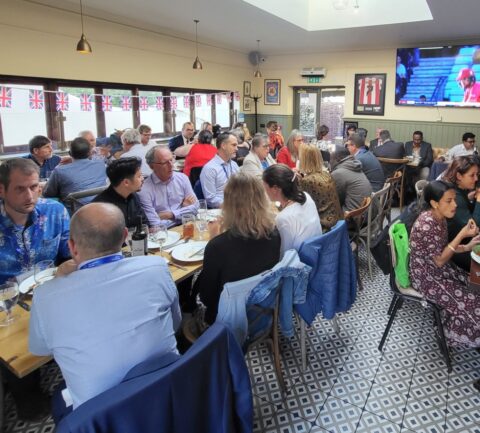
Meeting in person again after almost three years was a deeply positive experience. ILEP member The Leprosy Mission welcomed to Brentford, in west London, the ILEP Technical Commission (ITC), the ILEP Advisory Panel, and the ILEP Members’ Assembly. Each of these groups met for two days. These were the first face-to-face meetings since the current ITC and Panel were appointed. For the Members’ Assembly, it was notable that more than a third of Member CEOs had been appointed since we last met in person.

The ILEP Technical Commission programme included a one-day symposium on phases towards the elimination of leprosy disease, how these phases apply in lower-endemic settings, and the implications for the design and implementation of leprosy programmes. This included presentations from WHO and from numerous countries where leprosy is already low-endemic. A report from a comprehensive literature review published in 2021 demonstrated the very low likelihood of ongoing transmission of leprosy, or a resurgence, once incidence is reduced to just sporadic cases.

The ILEP Advisory Panel was diminished by the fact that four of its seven members did not receive visas in time. Nevertheless, in addition to their regular agenda, Panel members were able to participate in a parliamentary meeting of the UK Coalition on NTDs. Rachna Kumari’s speech on the occasion is here.

The ILEP Members’ Assembly, in addition to its regular meeting, had a one-day CEOs’ Summit devoted to conversations about the projects to be funded from the ILEP Project Reserve, coordination and collaboration in endemic countries, and putting the ILEP strategy into operation. The four projects to be funded from the ILEP Project Reserve, plus supplementary contributions by some ILEP members, are listed in the following table:

Name

Members/

partners

Duration

Contribution (CHF)

From Words to Action

The NTD Inclusion Score Card: Piloting an organisational self-assessment tool for meaningful participation

NLR, TLM, DAHW

Global Chagas Coalition; CBM Global; CBM International

1 year

Oct 2022 – Sep 2023

82,000

Global Leprosy Mapping Initiative

To develop tools, processes, and best practices to support MoHs to map leprosy, with focus on capacity building, sustainability, and knowledge exchange to facilitate achievement of global leprosy targets

ALM, NLR, DAHW, DFB, TLM

Emory University; Inst. of Tropical Medicine (Antwerp); stakeholders in 12 countries

3 years

Jan 2023 – Dec 2025

349,000

Lift Leprosy Learning

To halt and reverse dwindling leprosy expertise by coordinating global efforts and initiatives for capacity building in an integrated and comprehensive manner

NLR, TLM, SLC, Effect Hope

ILEP Members and MOH in 7 countries

3 years

Oct 2022 – Sep 2025

206,000

UPLIFT

Unlocking the Potential of Leprosy and NTD affected people, to pursue Inclusive, Fulfilling and Transformational lives, through a harmonized community based group model

Effect Hope, Lepra, DAHW ILEP Members and partners in 3 countries

30 months

Jan 2023 – Jun 2025

183,000

The Member CEOs also agreed to appoint one Member association as the lead agency for each of the five strategic goals, with several other ILEP Members listed as participants. The working groups and lead organisations are in the following table:

Key Strategic Goal 2021-2025

Lead ILEP Member

Global framework and strategy to build and sustain leprosy capacity

NLR

Globally consistent leprosy data standards and data collection methodologies, leading to accurate reporting for improved programme planning and monitoring

FAIRMED

Readily available services related to mental wellbeing in leprosy

Lepra

Active engagement by persons affected by leprosy

TLM

Innovative approaches through research, proof of concept, and application of game-changing technologies and processes

ALM


UN Special Rapporteur and the right to health

This month, UN Special Rapporteur Alice Cruz delivered her annual report to the UN Human Rights Council. The report, entitled Right to the highest attainable standard of physical and mental health for persons affected by leprosy and their family members, is available here in English, French and Spanish.

Ms Cruz’s report points out WHO defines health as a state of complete physical, mental and social well-being, and the Universal Declaration of Human Rights connects health and well-being to a dignified and secure standard of living, encompassing access not only to food, clothing and housing, but also to medical care and social security. Yet the biomedical approaches that prevail in national health systems dramatically narrow these definitions to disease-centred approaches that often involve unequal power relations, especially for traditionally stigmatised groups such as persons affected by leprosy.

National leprosy programs typically equate cure with the completion of a course of treatment. But many persons affected by leprosy say that, even though health-care workers say they are cured, they do not feel healed. They point to a different reality: ongoing leprosy reactions, a lifelong risk of disabilities caused by nerve damage, and the cruel reality of stigmatisation and social exclusion. Yet the health system classifies them as ‘treatment completed’ and often fails to provide the physical and mental health and disability services that they need to live a healthy life. As a woman interviewed by Ms Cruz said: ‘Stop saying that this disease is curable! It is not! One cannot ever go back to living a normal life.’

In order to understand these issues from their perspective, the Special Rapporteur issued a comprehensive survey which attracted responses from 174 people with personal experience of leprosy living in 31 countries. Their responses demonstrate that a new, bottom-up narrative is needed. This involves healthcare systems adopting a people-centred approach in which those who have experienced leprosy are active participants in interpreting the right to health from their perspective. As the research shows, this perspective is typically around what it means to enjoy opportunities in life on an equal basis with others, without discrimination and violence, accessing the health-related services that they need, when they need them.

ILEP supports the Special Rapporteur’s report and the wide-ranging recommendations included in it. ILEP supports her call for national consultative committees that enable people affected by leprosy to be at the centre and to articulate what the right to healthy lives really means for them. Notably, this will include not only access to basic services such as MDT treatment, but also access to ongoing services that tackle the physical and mental complications of leprosy, and to activities that ensure their human rights are respected. ILEP joins the Special Rapporteur in calling on Member States to adopt country-owned political agendas that not only combat leprosy as a disease, but equally protect, promote and fulfil the rights of people affected by leprosy to the highest attainable standard of physical and mental health.

Launch of WHO Skin NTDs Strategic Framework

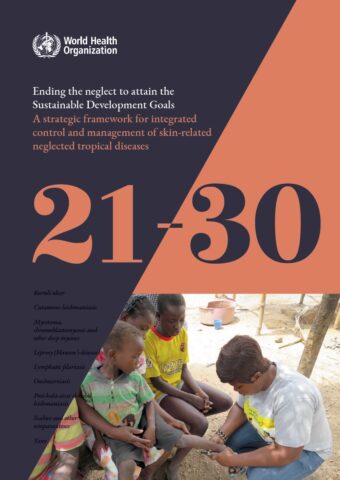
The WHO Skin NTDs Framework was launched this month. A companion document to the WHO NTDs Road map 2021-2030, the Framework centres on integrated approaches to the control and management of nine NTDs, including leprosy, that involve effects on the skin. From ILEP’s perspective, the logic is that people-centred, multi-disease approaches are a more efficient and effective way of ensuring people affected by leprosy obtain the services and supports that they need. These approaches are already demonstrated by joint programmes being implemented by ILEP members or partners in several countries.

WHO encourages countries to adapt the Framework to plan and implement integrated strategies based on the endemicity of Skin NTDs and other skin conditions. The potential areas for integration are very broad, ranging from prevention to case-finding, laboratory diagnostics, treatment, self-care, management of complications, rehabilitation, social inclusion and human rights, capacity building and training, surveillance and more. From the zero-leprosy perspective, this breadth of focus is important. ILEP’s vision is not only zero transmission of leprosy, but also zero disability and zero stigma and discrimination. Similarly, ILEP welcomes the focus on empowering persons affected by skin NTDs and their family members, giving them greater participation in decisions and actions that affect their health and all aspects of their wellbeing.

ILEP members were well-represented on the Framework’s review panel and in providing written input into the consultation drafts. At the launch event on 8th June, ILEP was invited to speak about integration with other skin NTDs on the path to zero leprosy. Representing ILEP, Geoff Warne (CEO) commented that an integrated approach is effective where there are commonalities between diseases and where there are recognisable advantages for each disease.

Four of the ways integration can help towards zero leprosy seem especially promising:

  • Joint programs for active case detection and for contact tracing
  • Detailed integrated mapping using some of the advanced mapping tools available
  • The whole group of essential services around the management of disease complications, disability prevention and social inclusion
  • Joint approaches to capacity development and training

But ILEP also recognises that integration carries with it some risks for leprosy.

  • The risk of erosion of leprosy expertise. This especially important given that leprosy can be a difficult disease to diagnose and manage
  • The risk of overloading health workers, so that leprosy – which they may not see very often – gets forgotten again
  • The risk that leprosy is regarded only as a skin disease, so that the importance of nerve function assessment for accurate diagnosis and treatment is completely forgotten, and the need for instruction in disability prevention is neglected or overlooked
  • The risk of loss of focus for donors and partners committed to leprosy

WHO advises countries to think carefully about the potential for integration in their particular context, and how integrated approaches might provide opportunities to mobilise, share and pool resources. ILEP’s perspective is that countries planning integrated approaches need to do so in a thoughtful way that analyses what the gains will be and how the downsides or risks can be reduced or avoided. ILEP members should expect to be called upon to support such planning processes in endemic countries.

Statement in support of Special Rapporteur’s presentation to the Human Rights Council

ILEP supported the Special Rapporteur’s report and recommendations related to the right of people affected by leprosy to the highest attainable standard of physical and mental health.

Integration with Skin NTDs on the road to zero leprosy

Responding to prepared questions, ILEP expressed its view on the advantages and disadvantages of the new Skin NTDs Framework in relation to leprosy

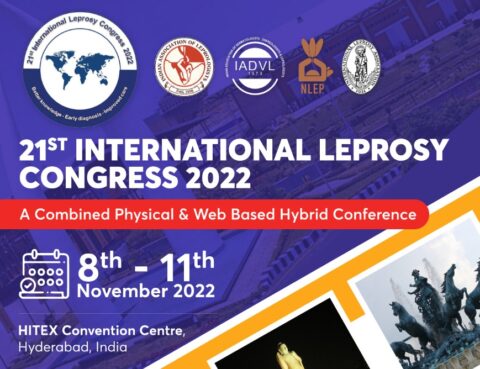
21st International Leprosy Congress

The International Leprosy Congress (ILC) is an important event held in various parts of the world to bring together key stakeholders in the field of leprosy to discuss new knowledge and share experiences. This year’s Congress (Hyderabad, India, 8-11 November) is being organised by Indian leprosy and dermatology associations (IAL & IADVL) and Central Leprosy Division (CLD) NLEP, MoHFW, Govt of India; under the auspices of International Leprosy Association (ILA).  The preparations are underway with full vigour for the 21st ILC and below are some of the details of the congress:

VENUE AND FORMAT:

Dates: November 8-11, 2022
Venue: HITEX Convention Centre, Hyderabad
Theme: Better Knowledge – Early Diagnosis – Improved Care

The Congress will be a HYBRID CONGRESS with about 1000-1500 physical delegates and unlimited possibility of e-delegates. There will be an opportunity for more than 110 hours of scientific deliberations. The planned schedule for the congress will be:

Web-based Sessions: November 8th Evening -10th Evening, 2022 (Tuesday to Thursday)
Plenary Sessions: November 9th Morning -11th Afternoon, 2022 (Wednesday to Friday)
Breakout sessions: November 9th afternoon -11th Evening, 2022 (Wednesday to Friday)

In addition, Pre-conference meetings on 7th and 8th November and post conference meetings on 12th November are possible with prior information at the venue.

IMPORTANT DATES

Registration:
Early bird registration: 20th February – 30th April, 2022.
Regular registration: 1st May – 31st August, 2022
Late/Onsite registration: 1st September – 9th November, 2022

Abstract submission:
Opens on: 1st March, 2022
Closes on: 31st May, 2022.
Information on the outcome of abstract submission: Before 30th June, 2022.

TYPES OF SUBMISSIONS

A. Oral presentations (Both at physical conference and at web-based sessions)
B. Posters (Both at physical conference and at web based session as E Posters)
C. Case reports (Both at physical conference and at web-based sessions)
D. Short Video presentation. (A new category)

Please visit the ILC website for further information regarding registration, abstract types and their submission, and other information: https://www.ilc-india2022.com/

ILEP Statement of commitments – Global Disability Summit 2022

ILEP member staff were among the 7,000 participants at the Global Disability Summit (GDS) this month, the world’s biggest event focused on disability inclusion. A vital feature of the GDS is the commitments made by states, NGOs, companies and others, about what they will do to boost the meaningful engagement of persons with disabilities. ILEP’s nine global commitments, based on our 2021-2025 strategy, are listed below.

  1. ILEP will lobby and advocate towards a minimum 50% reduction in the number of laws and regulations (numbering 130 worldwide as at January 2022) that discriminate against persons affected by leprosy.

  2. ILEP will put systems in place to monitor anti-leprosy stigma levels in countries, especially at community level, at regular intervals; and ILEP Member associations will strive at all levels towards positive attitudinal change and an end to leprosy-related stigma and discrimination.

  3. ILEP will continue to publicise its Statement on Participation by persons affected by leprosy, and advocate for the practical application of the Statement by member associations.

  4. ILEP will consult regularly with the Advisory Panel of Persons Affected by Leprosy, particularly on strategic and policy issues, and through the Panel will amplify the voice of national organisations of persons affected by leprosy; and ILEP, in participation with existing national organisations, will encourage and appropriately support a 50% increase in the number of countries with credible national organisations representing persons affected by leprosy.

  5. ILEP member associations will consider appropriate support for formation and sustainability of autonomous national organisations that represent persons affected by leprosy.

  6. ILEP will encourage and support countries to maintain accurate records of patients with disabilities and/or at-risk, both during and at completion of anti-leprosy drug treatment.

  7. ILEP will work to increase to 20 the number of countries that specifically include leprosy in their national human rights frameworks, in line with the CRPD-influenced Principles and Guidelines for the Elimination of Discrimination against Persons Affected by Leprosy and their Family Members.

  8. ILEP will encourage and provide practical support to organisations representing persons affected by leprosy, to build capacity to make direct submissions or reports to the CRPD Committee and other relevant instruments of the OHCHR.

  9. ILEP will (a) promote usage in national training programmes of ILEP/NNN Guides on Stigma and Mental Wellbeing; and (b) support and advocate for access to basic psychological support at points of care, and to referral services to address mental health needs of persons affected by leprosy in the health system.

ILEP’s commitments on disability inclusion

ILEP joined several hundred organisations in making a set of commitments, about what ILEP will do in the next 3-4 years towards disability inclusion, including the meaningful engagement of organisations representing persons affected by leprosy.

ILEP Strategy 2021-2025

ILEP is pleased to announce its new strategy for 2021-2025. The strategy was developed through consultation in early 2021 with a wide range of internal and external stakeholders. This was followed by a steady process of determining priorities and the areas in which ILEP could make the greatest impact. ILEP members continue to be united around the shared vision of a world free from leprosy. Towards that vision, the new strategy comprises five key strategic goals that are seen as potential global ‘game-changers’. The ILEP Federation collectively aims to work towards achievement of these goals through active collaboration, together and with other partners

The key strategic goals are:

Leprosy capacity

Goal: Development of a global framework and strategy to build and sustain leprosy capacity.

The challenges around the continued erosion of leprosy expertise are well known. At the ILEP Conference on leprosy capacity in 2020, participants agreed that ILEP has an important role to play in supporting countries to maintain leprosy know-how. We aim by 2025 to see a comprehensive training and capacity strategy in operation in more than 10 countries, normally integrated with other health conditions such as Skin-NTDs.

Globally consistent leprosy data

Goal: Globally consistent leprosy data standards and data collection methodologies, leading to accurate reporting for improved programme planning and monitoring.

The WHO Global Leprosy Strategy 2021-2030 lists weak health information systems and inadequate or under-reporting of data as one of the major global challenges. ILEP members expect to pilot initiatives towards more accurate new case data in selected countries, and to support countries to build effective surveillance systems for leprosy (integrated with other relevant health conditions), adopt digital case-based data reporting, and maintain accurate records of patients with disabilities and/or at-risk.

Mental wellbeing

Goal: Readily available services related to mental wellbeing in leprosy.

The effects of leprosy, like other stigmatising diseases, on mental wellbeing have gained more attention in the past decade, but most countries do little to tackle the psychological and social consequences. ILEP members will urge the use, in national training programmes, of the ILEP/NNN Guides on Stigma and Mental Wellbeing, and will encourage and support countries to ensure access to basic psychological support at points of care, and to referral services to address mental health needs.

Active engagement by persons affected by leprosy

People affected by leprosy have the right to participate in relevant ways in the decisions which governments and other organisations make that affect them. However, many leprosy-endemic countries lack any national forum or people’s organisation to enable them to engage in organised ways. ILEP members will encourage an increase in the number of countries with national organisations representing persons affected by leprosy. In partnership with civil society organisations, ILEP members will also advocate for inclusion of leprosy in national human rights frameworks, lobby to at least halve the number of discriminatory laws still in force, and support countries to implement systems to monitor stigma levels at regular intervals.

Innovation

Goal: Innovative approaches through research, proof of concept, and application of game-changing technologies and processes.

While it is important to continue using tools and processes that are known to be effective, ongoing innovation is essential for progress towards zero leprosy transmission, zero disease, zero disability and zero discrimination. ILEP members aim to negotiate a joint research and innovation strategy, and collaboratively to pilot new initiatives involving multiple ILEP members.

Behind the five key strategic goals are a set of enabling actions, which describe how the ILEP Federation aims collectively to achieve the goals, and an operational strategy, which describes what the ILEP secretariat will do to facilitate achievement of the strategy.

Attention is now moving to operationalising the strategy, including reaching agreement on which ILEP members will take a lead in the various elements and how the ILEP secretariat will facilitate progress.

In addition to the full strategy, ILEP has published a one-page Strategy at a glance which includes the key elements. These are downloadable, but if you want a print-ready version please contact the ILEP secretariat.

Download ILEP strategy 2021-2025Download Strategy at a glance


WHO Global Leprosy Update for 2020

The ILEP Technical Commission (ITC) has produced a commentary on the recently published Global Leprosy Update for 2020. (WHO, Weekly Epidemiological Record, 2021; 96: 421-444). The authors are Paul Saunderson (ITC), Joseph Chukwu (ITC) and Tom Hambridge (Dept of Public Health, Erasmus MC).

Overview

The most obvious feature is the effect of the COVID-19 pandemic and the consequent reduction in field work, including leprosy case finding and clinic attendance, in most parts of the world.  Reported case numbers are generally reduced by about one third from the previous year. This is highlighted by the steep decline in new cases (and registered prevalence) compared to 2019, particularly in the three countries with the highest endemicity: Brazil, India and Indonesia. In fact, the proportion of new cases coming from these three countries remained more or less the same despite the global decline, contributing to 74% of all new leprosy cases in 2020 vs. 79% in 2019.

In total, 127 (80%) of the 160 countries reporting in the previous year provided data for 2020, but the missing data are mainly in countries with little leprosy; the submission of reports from as many as 80% of endemic countries, including all 23 high priority countries, suggests that the web-based reporting system, linked in many cases to the DHIS2 platform, has performed well in the face of the pandemic and speaks to the efficiency and promise of digital solutions in public health,  even in resource-poor settings around the world.

Other correspondence has indicated similar drops, of around one third, in routine case work in various fields, such as laboratory testing for TB in Europe, yellow fever notifications in Africa, and leishmaniasis case detection globally.

As is briefly described on page 423 of the Update, we should look at 2019 and 2020 as a threshold separating two distinct epidemiological periods for leprosy, given the nature of case detection and the interruption caused by the global pandemic. COVID-19 measures that took priority in recent months, are expected to continue in many countries in the coming years, and there are also renewed efforts towards ending the transmission of leprosy being promoted as part of the new Global Strategy (2021-2030), suggesting that we may never return to the status quo ante.

Priority countries

Tables 3 and 4 present trends in the 23 priority countries.  New case detection (Table 3) dropped in most countries, although DRC, Kiribati, Madagascar, Somalia and Sudan showed modest rises.  All of the priority countries showing modest rises (aside from Kiribati) were in Africa, which perhaps had a later onset of the pandemic and thus less COVID-19 control measures in operation throughout 2020.  As there may have been more disruption from COVID-19 in the first half of 2021 in many endemic countries, the declining trend is likely to continue, but could be mitigated by a gradual return to more normal activities going forward.

New cases reported in Brazil declined by 35%, in India by 43% and in Indonesia by 36% from the 2019 figures. The numbers of new cases with Grade 2 disability (G2D, Table 4) showed almost exactly the same trends, as may be expected.  Angola showed a surprisingly large drop in new cases with G2D.  A minor point is that data for Nigeria are incompletely reported, although the missing information was apparently submitted: New child cases: 87 (MB) + 10 (PB) – total 97 cases; New child cases with G2D: 15 cases; New cases with G2D: 170; Foreign born cases: 11; MB treatment completion: 90.9%; PB treatment completion: 93.4%.

Treatment completion rates: In contrast to the sharp drops in case detection/notification in 2020, it is heartening to note from the report that ‘the rates of completion of treatment for multibacillary (MB) and paucibacillary(PB) leprosy were similar to those in 2019’, averaging about 88% for MB and 95% for PB. This could be explained in part by special measures put in place by ILEP members and programme managers in some countries, to help patients continue treatment during lockdown and periods of restricted movement. The idea was, ‘if we cannot go out to detect new cases, we can at least ensure that patients already on treatment remain adherent’. Digital technology (phone calls, SMS and WhatsApp) was deployed to great effect in aid of this endeavour.

Drug-resistant leprosy: page 430 of the Update has a brief paragraph on leprosy drug resistance (AMR), tested in the 16 countries listed in a footnote, of which 6 reported the presence of AMR; Somalia is the only country in AFR on the list. Resistance monitoring should be encouraged in other high endemic areas in AFR, particularly Ethiopia, Mozambique and DRC. Indonesia has implemented leprosy chemoprophylaxis campaigns using SDR-PEP, with no report of resistance to any drugs. Altogether, 67 patients (including 13 new cases) harboured multi-drug resistant strains. This highlights the importance of drug-resistance testing as recommended in the new WHO leprosy (Hansen’s disease) strategy. This takes on added significance with increased coverage of single-dose-rifampicin prophylaxis especially in high burden countries.  More detailed information about the AMR testing that is done would be valuable.

Discriminatory laws against persons affected by leprosy:  Seven countries reported laws discriminating against persons affected by leprosy in their statutes. This is unacceptable in the 21st century. All are enjoined to work to repeal such laws and indeed report any discriminatory practices against persons affected by leprosy and their families to the UN Special Rapporteur on the Elimination of Discrimination against Persons Affected by Leprosy and their Family Members, or the relevant authorities in the country.

Return to normal activities

ILEP members should be encouraged to help national programs to return to normal activities, with an expected backlog of cases who were not diagnosed in the last 12-18 months. This could be done through coordinated screening of contacts of registered leprosy patients currently receiving MDT, particularly household contacts, and also by directing short term resources towards training of groups such as local volunteers and health extension workers. If implemented successfully in high endemic areas, the backlog should be manageable for field teams to address and we would expect to see a slight peak in overall incidence over the next 3 years from cases who went undetected during periods of health service disruption.

MDT supply should be monitored carefully. In theory, stocks should be adequate if less has been used in the last 12 months, but countries should order new supplies based on 2019 case numbers. Many recently supplied batches of MDT have expiry dates later than Dec. 2023, so will be available for additional new cases during the next 2 years. Nitrosamine impurities in the rifampicin supply caused some disruption towards the end of 2020, but this has now been resolved.

Conclusion

Global health services have been severely tested by the COVID-19 pandemic, both in terms of the additional burden of managing COVID patients and the disruption of almost all other services to some extent.  Leprosy has been no exception.  Leprosy programs have generally been able to provide ‘essential and critical services’, but routine field work was often not possible in some places for some periods.  It is to be hoped that routine activities can be resumed quickly, with increased vigour.
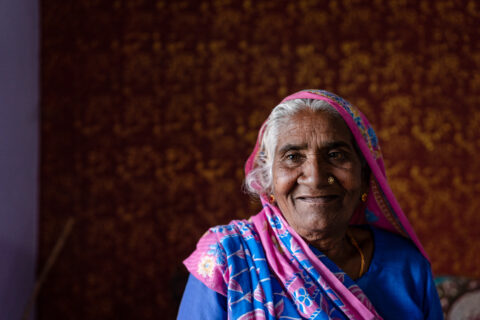
An unfinished business: discrimination in law against persons affected by leprosy and their family members

In October, UN Special Rapporteur Alice Cruz makes her first report to the UN General Assembly. Her topic is the laws, regulations and norms that continue to dehumanise persons affected by leprosy and their family members. She has also produced a brief, 2-page factsheet that covers the main themes of the report

Discriminatory laws – whether actively enforced or not – are deeply offensive. On a personal basis, they rob people affected by leprosy of their dignity and dehumanise them, for example by labelling them ‘lepers’ and calling, in various ways, for their exclusion and segregation. From a national perspective, they contradict the UN Principles and Guidelines that affirm that States should take all measures to abolish discriminatory laws and regulations; several provisions of international human rights law; and pillar 4 of the WHO global leprosy strategy. And yet, the Special Rapporteur, using a wide variety of sources including information supplied by ILEP and ILEP members, has identified at least 130 ongoing discriminatory laws in more than 23 countries.

These discriminatory laws have been put in place since the beginning of the 20th century. They reflect the idea of contagion – a particular fear of the imperial powers. Although there was never scientific evidence to justify compulsory segregation, whether of children from their parents or of individuals from their families and communities, experts did not abandon the idea until 1948, and some countries continued to enforce segregation for decades after that. Ms Cruz writes: ‘The biomedical concept that affirmed the need for prophylactic segregation continued to influence national legal and regulatory frameworks [which] give legal legitimacy to, and reinforce, structural and interpersonal discrimination on the grounds of leprosy, endorsing and normalizing the dehumanization of persons affected by leprosy and denying them any possibility of enjoying a life with dignity.’

The Special Rapporteur’s report provides considerable detail as to the types of rights that are violated by these discriminatory laws. They include the right to participate in political life, rights of freedom of movement including use of public transport, rights related to marriage, rights of migrants, the right to work (many laws restrict access to certain jobs), and rights to occupy positions of authority. Alongside these denials of rights are the many laws that allow the authorities to forcibly segregate or hospitalise persons affected by leprosy. There are also numerous laws and regulations that seem neutral on the surface but which may be implemented in ways that stigmatise and discriminate.

Laws on countries’ statute books are only part of the problem. The report gives examples of traditional non-written customs and practices, which may exist in many countries, that discriminate against persons affected by leprosy. These are sustained by stereotypes connected with traditional beliefs about leprosy, many of which come from world or local religions.

The Special Rapporteur describes efforts in several countries to persuade governments to amend or repeal discriminatory laws. She especially emphasises work done by the Law Commission, civil society organisations and individuals in India, where there are still 100 discriminatory laws. The experiences in India demonstrate the importance, and the challenges, of using litigation through the courts as a means of fighting formal discrimination.

The report concludes with a wide-ranging series of recommendations for States. Primarily, they stress the need for States to not only repeal discriminatory laws and prohibit discriminatory practices, but also put in place legal frameworks and procedures that recognise persons affected by leprosy as rights holders, enjoying access to entitlements and opportunities on an equal basis with others. These frameworks would include laws to protect the rights of persons affected by leprosy, proper monitoring and complaints processes, education programmes for government employees, and elimination of derogatory language. There are also recommendations targeted at eliminating traditional discriminatory customs and practices, implementing reparation programmes as restorative justice, taking active and positive steps to promote participation of persons affected by leprosy and their family members in all forms of social and economic life, and paying particular attention to the protection of women.

ILEP recommends a close reading of the report, and for it to be used as an impetus for ILEP members, civil society organisations and activists to renew their efforts to rid the world of anti-leprosy discrimination.

Report on the human rights status of persons affected by leprosy and disability in Timor Leste

ILEP partnered with The Leprosy Mission Timor Leste and five local organisations or coalitions of persons with disabilities in this submission to the 40th cycle of the Universal Periodic Review, with recommendations to uphold and protect the rights of persons affected by leprosy and persons with disabilities in Timor Leste.

Monitoring and evaluation framework for WHO NTDs Roadmap

‘What gets measured gets done’. The recently published Monitoring and evaluation framework is another of the companion documents that goes alongside the new WHO 2021-2030 NTDs Roadmap. It is written not only for countries but also for implementing partners, like ILEP members. The intent is that the burden of all NTDs is reported for greater accountability and action, starting at the country level. Leprosy-endemic countries will be urged to rethink their monitoring and reporting processes so it is valuable for ILEP members and partners to have an understanding of what the framework proposes.

Quantitative measures for monitoring progress

The quantitative measures proposed in the framework include a small number of cross-cutting indicators accompanied by disease-specific indicators. These quantitative indicators are focused primarily on assessing impact. Some of the cross-cutting issues are familiar ones from the paradigm changes in the Roadmap. For example:

  • Share of countries including NTD interventions in their package of essential services and budgeting for them.
  • Number of countries that adopt and implement integrated skin NTD strategies
  • Share of countries with NTDs integrated in national health strategies/plans
  • Share of countries with guidelines for management of NTD-related disabilities within national health systems

The quantitative measures specifically for leprosy are the over-arching impact targets seen in the Global Leprosy Strategy:

  • Number of countries with zero new autochthonous leprosy cases
  • Annual number of new leprosy cases detected
  • Rate (per million population) of new cases with grade 2 disability
  • Rate (per million child population) of new paediatric cases with leprosy

One of the key expectations is that NTD disease data at country level will be collected and stored on integrated data platforms that are mainstreamed into national health information systems. There should not be separate, stand-alone data collection systems just for leprosy. The Framework recognises that this may not be achievable in all countries, but any national NTD-specific systems should at least interface with the national health information system. In many of the countries where ILEP members work, health information systems are weak, and so investment will be needed to strengthen information systems, as well as to strengthen health systems as a whole.

Qualitative measures for monitoring progress

The qualitative measures are in the form of gap assessment conducted for each NTD including leprosy, analysed through a heat map. This is expected to look similar to the heat map outlined on page 26 of the NTD Roadmap, where each disease was assessed against 11 indicators and categorised from red (severe hindrances to achieving results, needing critical action) through orange, yellow and green (no hindrances). The results for leprosy were red (1), orange (7) and yellow (3), and these would be seen as a baseline: the first re-assessment will take place in 2023. The 11 indicators covered Technical (scientific understanding, diagnostics, effective interventions), strategy and service delivery (formal operational guidance, planning and programme management, monitoring and evaluation, access and logistics, and infrastructure and workforce) and enablers (advocacy and funding, collaboration and capacity and awareness building).

Evaluation

Monitoring impacts is important, but it needs to be accompanied by evaluation. As the chart below shows, impact data (from the monitoring framework) needs to be analysed along with data on programme implementation to create a comprehensive evidence base. From that point, policy dialogue and debate should lead to agreement on actions to be taken, for example on priority-setting, resource allocation and course correction.

This evaluation activity will take at country level, and also at global level, where quantitative and qualitative data will be combined to give a picture of progress for each NTD and against the Roadmap as a whole. Leprosy data will continue to be published annually in the Weekly Epidemiological Record.  

The main M&E issues for leprosy

In the leprosy heatmap undertaken for the NTD Roadmap (mentioned above), monitoring and evaluation are rated orange (significant gap). Referring to the current status, the report said that:

  • Roll-out digitalized case-based data management system is ongoing
  • Mapping of cases is being introduced
  • Integrated programme reviews are occurring, with focus on reviewing progress in reaching the leprosy programme targets
  • Periodic monitoring for reactions is weak

The actions required were:

  • Utilize mapping tools and strong surveillance system to ensure detection of sporadic and hidden cases and to monitor progress
  • Improve notification systems
  • Develop mechanisms to monitor adverse events
  • Expand monitoring of antimicrobial resistance

Readers of the ILEP Updates will know that several initiatives are currently under way in terms of the actions required.

Elimination of leprosy

The overall goal of the WHO Global Leprosy Strategy 2021-2030 is the elimination of leprosy, which the strategy defines as ‘interruption of transmission/absence of disease’. This is a significant change. Earlier, the overall WHO goal was ‘elimination of leprosy as a public health problem’, which meant less than 1 new case per 10,000 population. But new case numbers have stagnated in the past decade, prompting new commitments to ‘zero leprosy’ and, in the WHO strategy, a goal that entails a new definition of elimination.

Has a country achieved elimination?

One of the targets in the Global Leprosy Strategy is that, by 2030, 120 countries will have zero autochthonous (that is, not foreign-born) cases of leprosy (up from a 2019 baseline of 34). Not surprisingly, there is already interest from some previously endemic countries in having ‘leprosy-free status’ recognised. From the experience of countries like Japan and South Korea, there is evidence that – due to the long incubation period of leprosy – a country may achieve interruption of transmission many years before it achieves complete absence of disease. As is the case with other NTDs, whether a country has achieved these milestones needs to be confirmed through a formal, WHO-defined verification process. This normally involves the compilation of a detailed dossier that provides all the evidence that is needed.

WHO Task Force on Criteria for Elimination of Leprosy (TFCEL)

This task force was set up by WHO in March 2020 after an exploratory workshop in Mexico City. It was chaired by Wim van Brakel, Medical Director of ILEP member NLR, who was subsequently also appointed chair of the ILEP Technical Commission. It had two main objectives:

  • To define criteria for countries to be ascertained as having made significant progress towards interruption of transmission and elimination of leprosy disease
  • To establish criteria and indicators that best define interruption of transmission and elimination (in terms of zero incidence of leprosy disease)

The taskforce met regularly over the following 12 months concluding with a hybrid face-to-face and virtual workshop in March 2021. WHO has now published a report of this workshop.

Milestones

One of the significant outcomes from the TFCEL’s work is a distinction between the various elimination-related milestones. Four phases are outlined for a leprosy programme in its journey towards elimination and beyond. These are set out in the following table:

Criteria

The main factor for determining whether a country has moved from one phase to the next is the provision of data on leprosy transmission. Phase 3, for example, occurs when countries report zero autochthonous cases. Verification that this has been achieved involves a three-year process during which the national programmes will carry out ‘Leprosy Transmission Assessment Surveys’ (LTAS) at the second sub-national level of health administrative units. The LTAS is a thorough review that entails analysis of data, facility assessment (health facilities providing leprosy services) and epidemiological survey among the population at risk for leprosy. All sub-national health administrative units need to qualify to verify ‘zero’.

However, transmission data is not the only the only consideration. The TFCEL has determined a list of 14 criteria that need to be fulfilled by countries to provide assurance that the achievements will be sustained. The criteria include:

  • Political commitment with adequate resources for leprosy in integrated context
  • Capacity building in the healthcare system for quality services
  • Awareness raising among targeted populations and among healthcare workers
  • Advocacy for leprosy with government authorities
  • Presence of organized partnerships at national and sub-national level
  • Diagnosis and leprosy treatment facilities ensuring early detection of leprosy
  • Quality of services for managing complications, including counselling and mental health services
  • Effective surveillance and improved data management systems
  • Contact tracing
  • Preventive chemotherapy or post-exposure prophylaxis
  • Documentation at sub-national level and development of dossier by national programme
  • Leprosy Transmission Assessment Surveys (LTAS)
  • Ongoing monitoring, evaluation and verification to ascertain achievement of cut-off levels for the various phases
  • Engagement in leprosy research

Dossier for elimination of leprosy

All of this material needs to be incorporated in a Dossier for Elimination of Leprosy prepared by the national programme to substantiate its claim to have reached that milestone. The evidence collected allows an international team, appointed by WHO, to verify that a country a) has an adequate surveillance system; b) has met the criteria for elimination of leprosy; c) has ongoing services for detection, treatment and management of sporadic cases that may occur even after elimination has been achieved; and d) has ongoing services in place for care for and inclusion of persons with leprosy-related disabilities.

Implications for ILEP and ILEP Members

These procedures and requirements will be entirely new to endemic countries as well as to ILEP Members. We can anticipate that Ministries of Health will look to ILEP members for support in several areas, such as:

  • Increasing ILEP’s focus on low-endemic countries that may need technical support to put in place what is needed to reach zero disease
  • Planning and implementation of the LTAS
  • Processes for the collection of data for all the data points required
  • Compilation of the Dossier for Elimination of Leprosy

The new tools and procedures will almost certainly need to be piloted with a few countries that are already close to interruption of transmission, and ILEP technical support may be requested.

Finally, the TFCEL has noted that clear targets do not yet exist for the third and fourth pillars of the Global Leprosy Strategy (Manage leprosy and its complications and prevent new disability and Combat stigma and ensure human rights are protected.) WHO is likely to seek ILEP’s expertise to develop targets and indicators that can focus countries’ attention and also make sure that these crucial aspects of leprosy are fully included in the elimination dossiers.

Next steps

Consolidating the work of the TFCEL, the WHO Global Leprosy Programme is preparing a Technical Guidance document, which is likely to be published early next year.

UN Special Rapporteur

In June 2020 the mandate of the Special Rapporteur on the elimination of discrimination against persons affected by leprosy and their family members was extended for a further term, and we are delighted that Alice Cruz has continued in the role. ILEP and its member associations are pleased with the opportunity to work collaboratively with Ms Cruz in a range of different ways, and we continue to benefit from the impact of her mandate on bringing to the fore the voice of people affected by leprosy and advocating for their rights.

This month we feature three notable developments in the work of her mandate.

From the Principles and Guidelines to law in action

UN Special Rapporteur Alice Cruz has produced an engaging and informative web-documentary about the origins of the Principles and Guidelines for the elimination of discrimination against persons affected by leprosy and their family members. Commentary on the formation of the Principles and Guidelines, and their key elements, is combined with testimony from persons affected by leprosy about the realities of discrimination in their communities. ILEP members urging States to incorporate the Principles and Guidelines into national human rights frameworks will find this to be valuable viewing.

Report to Human Rights Council

The Special Rapporteur’s report to the current session of the UN Human Rights Council is available here in multiple languages. The report addresses the disproportionate impact of the COVID-19 pandemic on persons affected by leprosy and their family members, exploring the underlying causes and offering constructive recommendations for an inclusive recovery.

Significant sections in the report include:

  • Challenges around access to livelihoods, including exclusion of people affected by leprosy from the formal economy and their experience of barriers to the right to decent work.
  • Challenges around access to food, other fundamental goods and life-saving information during the pandemic.
  • Challenges around access to the continuum of healthcare services and essential medicines, including multidrug therapy for leprosy.
  • The particular vulnerability of women and children affected by leprosy.

ILEP welcomes the Special Rapporteur’s report and recommendations. ILEP’s brief statement to the Human Rights Council can be read here.

Special Rapporteur’s newsletter

The UN Special Rapporteur’s first newsletter was issued this month. In addition to the topics in the paragraphs above, there is a wealth of information about the Special Rapporteur’s activities in regard to the impacts of COVID-19, and especially about her interaction with organisations and individuals affected by leprosy in many countries. ILEP recommends a close reading: the Special Rapporteur’s mandate is having a significant impact on the empowerment of people affected by leprosy worldwide.

Statement in response to report by UN Special Rapporteur

ILEP’s statement welcomed the report and recommendations of the UN Special Rapporteur and emphasised the need for a whole-government approach to ending discrimination in healthcare, education and employment.

Statement on livelihoods and the right to work, for persons affected by leprosy

At a side event, ILEP proposed a set of interlocking approaches through which NGOs can work with governments to promote livelihoods and the financial independence of people affected by leprosy so that they are not even more left behind.