Archives

Global Action Plan for Healthy Lives and Well-being for All: a commitment to accelerating together

  1. This global action plan was initiated by Germany and Norway but founded by a cluster of multilateral agencies, focused on implementation of SDG-3. See the full document or the summary for more information.
  2. Primary driver: the sharp bend in the trend-line needed if the indicators for SDG-3 are to be achieved. For example an estimated 800 million in the WHO SEARO region are vulnerable to severe financial stress from out-of-pocket health expenditure.
  3. In the bottom group of less developed countries, health expenditure is estimated to be around 10% of what it needs to be by 2030 to achieve SDG-3, a gap of $180b. A World Bank presentation suggested the major factors to change this picture will be:
  • shift of country expenditure from lower priority items
  • investment in innovation
  • doubling of health-related aid
  1. The key task during current consultation phase (till September 2019) is to identify accelerators – joint actions that are expected to accelerate progress and remove obstacles
  2. Presentations from Ghana, Colombia and Nepal highlighted some of the challenges:
  • Sustaining achievement beyond the initial burst of enthusiasm and funding
  • Inequality, so focusing on median will not be good enough: disaggregated data is needed
  • Effective social protection (eg health insurance) systems
  • Weak HR capacity
  • Political structural decisions (eg Nepal) that makes some indicators go backwards
  • Inadequate data and data collection
  1. There is a representative civil society advisory group which calls for clear communication and consultancy and reminds that civil society will have a crucial role when it comes to implementation.

WHO briefing on Universal Health Coverage (UHC)

  1. Philippines described the experience of the enactment of a UHC law, learning from countries like Japan and Thailand that had achieved UHC earlier. Now engaged in the more detailed implementation planning and this includes anticipating and responding to obstacles.
  2. Estonia described the experience of enrolling people into an insurance scheme: what was learned and how the scheme was modified to reduce the cost barrier is lower and make enrolment automatic (treating UHC as a right, not something that needs to be applied for).
  3. WHO AFRO office described the Harmonisation for Health initiative which provides regional support to governments in Africa strengthening their health systems. WHO has done assessments of countries’ preparedness for UHC roll-out and pointed to useful tools. Innovation is needed in countries where roll-out of universal health insurance schemes is especially challenging.
  4. The UHC Partnership promotes UHC through policy dialogue on planning, health systems governance, health financing strategies and their implementation, and enabling effective development cooperation in countries. Now working in 66 countries. For an example of its work and approach see http://www.nationalplanningcycles.org/planning-cycle/NPL
  5. The head of the UHC Partnership listed what he considered ten key UHC success factors:
  • Strong link between service coverage and finance
  • Planning needs to be bottom-up and contextualised including bottleneck analysis
  • Concrete focus on realistic measurable outcomes
  • Investment in measuring those outcomes
  • Disaggregated data: averages fail to reveal inequities in coverage and financing
  • Health quality as a human rights issue
  • Social contract with citizens is needed, since success entails their understanding
  • Need for new refreshed toolbox including digital health
  • Focus on the demand side, tackling issues like loss of confidence in immunization
  • Investment in science to ‘learn as we go’
  1. UHC2030 is a partnership of governments, international organisations, civil society organisations, the private sector, academia, and media, who have signed the UHC2030 Compact focused on UHC implementation. Key principles:
  • Leaving no one behind: a commitment to equity and a rights-based approach
  • Transparency and accountability for results
  • Evidence-based national health strategies and leadership
  • Engagement of citizens, communities, civil society and private sector, as well as government
  • International cooperation based on mutual learning across countries

Highlights from the opening address of WHO Director General Dr Tedros Adhanom

  1. There is encouraging progress in implementing Universal Health Coverage (UHC) were given: Kenya, India, Greece, South Africa, the Philippines, El Salvador and Egypt. UHC is the crucial element in WHO’s ‘triple billion’ strategy.
  2. UHC cannot be achieved without strong primary health care (reference: the Astana Declaration, endorsed by 194 countries in 2018). Fundamental challenges in primary health care include vaccines for all, and the global shortage of 18 million health workers. This requires investment in health workforce and spread of free-to-user health service.
  3. List of successes in 2018. This included the world’s first malaria vaccine, strategy to eliminate cervical cancer, the first Essential Diagnostics List, first guidelines on digital health, interagency report on antimicrobial resistance, the first global air pollution conference, trans fats elimination targets, and much more. Dr Tedros emphasised the need for action to follow the talk.
  4. Major concern over the current Ebola outbreak in east DRC, already one of the world’s most dangerous places. Investment is needed to prevent emergencies, not just respond to them.
  5. WHO reforms aiming at ‘one WHO’ operating model: new processes, new culture and a new approach to partnerships
  6. Three takeaway messages:
  • Health is about political leadership: delegates were urged to ensure that national political leaders attend the high level political forum on universal Health Coverage later in 2019
  • Health is about partnerships: countries were urged to enable more flexible and predictable funding of WHO
  • Health is about people: not just resolutions but implementation. ‘The people of the world will hold us accountable’

Membership Information – Survey reminders

A reminder that we have three surveys out to collect membership information.

  1. WWW survey: We need your help in updating the interactive map on the ILEP website, which provides information on the different ILEP Members, what they are working on (projects) and where they are working (countries). The map was developed at the request of the membership to promote learning and collaboration, and to help target opportunities for joint initiatives. The deadline for this survey is the 1 July 2019. Data submitted in time will be used to update the map ahead of the Members’ Assembly meeting in September 2019.
  2. Country Coordination survey:  ILEP is committed to working at country level with country coordinators to ensure our Member organisations are collaborating and aligning their efforts with national and global strategies to achieve a leprosy-free world. This survey is designed to update the country coordination section on the ILEP website. The deadline for this survey is 1 July 2019.
  3. G-Finder Survey: In recent years, Policy Cures Research and ILEP have collected data from ILEP Members for the G-Finder report which analyses global investment in innovative research and development (R&D) for neglected diseases. The twelfth annual G-Finder survey will record your organisation’s 2018 financial investment data and can be used to report data on leprosy research as well as other NTDs that are included within G-Finder’s scope. Please note that investment into the leprosy vaccine R&D has been added to the G-Finder scope this year. The deadline for this survey is the 14 June 2019.

Please send the completed survey forms or any questions to Monty Mukhier before the deadline.

Message from the CEO – May 2019

United Nations activity in Geneva this month has been dominated by the World Health Assembly where there has been a strong focus on universal health coverage (UHC).

We provide summary reports in this Update on sessions that may interest ILEP members.

We’re delighted that Alice Cruz, UN Special Rapporteur on leprosy, has had her first official visit, to Brazil. You’ll find in this Update a summary report with links to her official statement and video. She has also received official invitations to visit India and Ethiopia. ILEP is working with Alice and the Japanese Permanent Mission to support a side event focused on leprosy during the Human Rights Council at the end of June.

Message from the CEO – June 2019

ILEP and its Members participated in two significant United Nations events in June.

At the United Nations HQ in New York, a team from TLMI advocated for human rights in leprosy at the Conference of State Parties of the CRPD, the Civil Society Forum immediately before it, and at a side event in collaboration with Disabled Persons International (DPI). One of our shared advocacy aims in these events is for the CRPD Committee to look at leprosy as disabling, not just in terms of physical disability, but also in terms of the emotional and psychological consequences of stigma and social exclusion.

Meanwhile in Geneva, Alice Cruz, the UN Special Rapporteur on the elimination of discrimination against persons affected by leprosy and their family members, presented her thematic report to the UN Human Rights Council. Her report focused especially on human rights abuses affecting women and children. The ILEP Office supported the Japanese Permanent Mission and others in a side event, with Alice as keynote speaker, about how to fulfil the 2030 Agenda for stigmatised social groups.

Reports on the New York and Geneva events can be read in this Update.

Message from the CEO – July 2019

New publications, Africa Region conference and a heatwave in Europe!

Temperatures in the upper 30s are uncommon in Switzerland, so we have been either enjoying, or bearing, the heat in recent weeks. ILEP’s new office has no air conditioning but is designed for air-flow. We moved on 1 July: so far, so good.

This month’s Update spotlights a report on the recent WHO AFRO NTD Bi-Annual Programme Managers Meeting in Addis Ababa, which included a side event introducing the Global Partnership for Zero Leprosy (GPZL) country model. The resource mobilisation efforts of GPZL are also highlighted. We profile two new publications about disability and rehabilitation – relevant to ILEP Members – and a call for proposals for some interesting research on NTDs within universal health coverage.

Message from the CEO – August 2019

Leprosy is increasingly part of the CRPD Committee’s normal work and dialogue.

During August and September, the CRPD Committee (Convention on the Rights of Persons with Disabilities) has its second set of meetings for 2019. During the year, the Committee has been hearing repeatedly about leprosy. So far this year we have had:

  • A special lunch briefing in March, specifically about leprosy.
  • Written submissions on stigma and discrimination in seven countries.
  • Lobbying done by The Leprosy Mission at the Conference of State Parties in New York.
  • Inclusion of ILEP in the speeches to the opening session of the Committee in September.
  • Oral interventions when the Committee is discussing specific countries (six of these in August/September).
  • And one-on-one meetings with individual Committee members.

It is very pleasing to see how leprosy is increasingly part of the Committee’s normal work and dialogue.

Message from the CEO – September 2019

During September, ILEP and many people from its Member associations and partners have been engaged in important meetings in Manila and Liverpool.

In this Update you can read reflections from the Global Forum of People’s Organizations on Hansen’s Disease (Manila), the International Leprosy Congress (Manila) and the NNN Conference (Liverpool). We also report on a good outcome for leprosy in the CRPD Committee’s concluding observations on human rights of persons with disabilities in India, on the launch of the Zero Leprosy Toolkit and on exciting developments coordinating ILEP’s institutional funding in Nepal. And much more – please read on…

Message from the CEO – November 2019

In this bulletin we celebrate the launch of the Infolep and InfoNTD websites – invaluable resources for the leprosy and NTD communities. For readers interested in the leprosy sections of the WHO NTD Roadmap we share near-final extracts. There is also information on the recently announced World NTD Day. Plus, the usual round-up of developments at the Global Partnership for Zero Leprosy.

Message from CEO – January 2020

January is always a crucial month in the leprosy world, because of World Leprosy Day. I am sure we have all been impressed with the amount of social media activity in the past two months (find the ILEP social media toolkit here), especially focused on the theme of leprosy and human rights. Read more about it here.

This Update also contains reports on three important events: a high-profile national leprosy conference in Bangladesh, the release of an in-depth review of the national leprosy programme in India, and a workshop in Amsterdam working on GPZL’s implementation plan for the coming years. Each of these has the potential to be ground-breaking, and I recommend that everyone pay close attention.

Message from the CEO – February 2020

Greetings from the ILEP office in Geneva, where we are gearing up for the ILEP conference and other meetings in Brentford in mid-March. Thanks in advance to The Leprosy Mission for hosting these events.

This Update includes more information on the draft NTD Roadmap 2021-2030, pending approval in May. The Roadmap’s leprosy-specific pages will form the basis of WHO’s new global leprosy strategy. I recommend Alice Cruz’s thought-provoking report on her recent visit to Japan. Also noteworthy are the latest G-FINDER report on the funding of leprosy and other NTD research, and a recent publication on gender dynamics within NTDs.

ILEP conference cancelled?

As many readers are aware, the three-day ILEP Conference, planned for the third week of March, was cancelled due to the impact of COVID-19 round the world.

The ILEP Conference planned for March 2020 was really two conferences in one. The first half profiled 22 digital innovations being used by ILEP Members and partners in a wide range of field services. The focus was ‘show and tell’ so that people could see the technologies in action. The second half was a combination of presentations and intensive group workshops which aimed to tackle – and, we hope, identify some solutions for – the worldwide problem of loss of leprosy expertise.

Both sections of the conference were seen as high priorities by ILEP Members, and so we all regret the lost opportunity for learning together.

We are, however, discussing options for the future. One is to postpone the conference to ILEP’s scheduled meeting weeks in either October 2020 or March 2021. Another is to learn from and apply what some other organisations are doing in replacing face-to-face conferences with a combination of webinars and interactive sessions. We’ll keep you informed.

Message from the CEO – March 2020

It seems that every conversation starts with COVID-19 and checking ‘how are you’. I’m now in New Zealand and am impressed with the Prime Minister’s call for kindness, alongside good preventive behaviour. It feels like a relevant message to us in the ILEP world too, as we respond to colleagues, supporters, volunteers and people affected by leprosy expressing their individual fears and anxieties over what’s ahead of us.

Talking about COVID-19, this update includes some lessons from past viral epidemics that are relevant to those of us thinking about how to keep leprosy and NTD services running in a pandemic. We’ve also included an International Women’s Day statement from UN human rights experts, including Alice Cruz, reminding us that gender-based discrimination persists and is still too often unchallenged. We share Nepal’s experience of the IDEA International Day of Dignity and Respect 2020. There’s a notification of the launch date of WHO’s new NTD Roadmap, and a reminder that it’s not too late to apply for the 2020 NTD Innovation Prize.

Among partners, WHO reports on an informal consultation on how to verify elimination of leprosy, defined as interruption of transmission. Along with that, GPZL is looking for people with technical know-how to engage in some specific tasks.

Lastly, we explain our thinking about what to do about the cancelled ILEP Conference: reschedule? Go virtual? And we explain what’s happening with the restructured ILEP Secretariat from 1 April. Read on!

Advice on leprosy and COVID-19

Written by the ITC in conjunction with WHO (Available as PDF in English and French)

General comments

➢ The key preventive measures are handwashing with soap and water, and social distancing
➢ Follow your own government’s advice about travel, work and social gatherings
➢ Anyone with respiratory symptoms should stay at home and phone for health advice
➢ At present, there is no indication of any specific interaction between leprosy and COVID-19.

Diagnosis and clinical management of leprosy patients

➢ WHO recommends that community-based programmes and active case-finding activities be postponed until further notice; this includes contact tracing and chemoprophylaxis.
Clinic-based patient care, including diagnosis and case management should continue, with careful attention to handwashing and the use of face-masks, by both health staff and patients. MDT supplies may be given for 2-3 months, to reduce attendance at the clinic.
➢ Non-urgent interventions such as reconstructive surgery can be postponed.
➢ Nerve function assessment should continue to be done every three months for patients on MDT, to reduce the risk of future disability. Treatment of reactions should continue.
Steroids should be given to leprosy patients when indicated to treat neuritis. Steroids are immunosuppressive drugs, so may increase susceptibility to COVID-19, especially when used over several years for chronic diseases, such as rheumatoid arthritis. This effect is related to the dose and duration of the steroids given, so the typical 20-week course of prednisolone given in leprosy is considered safe. Anyone with a cough would normally be investigated for tuberculosis before starting steroids, so, similarly, steroid treatment may be delayed for 2-3 weeks in anyone with symptoms suggesting COVID-19. A few patients with ENL require steroids for a longer period; in these difficult cases, the benefit from the steroids will usually outweigh the small increase in the risk of acquiring COVID-19.
➢ If possible, contact patients on corticosteroid treatment by phone or through social media to ensure they are taking all possible precautions against COVID-19.

Public health aspects of leprosy in the COVID-19 pandemic

When epidemics or pandemics occur, poor people, including those affected by leprosy, are usually affected disproportionately. Measures that help to control a pandemic, such as movement restriction and closure of workplaces, generally have a serious negative impact on vulnerable groups. They can also cause social unrest and lead to loss of income for individuals and families.

➢ Special attention should be given to reaching vulnerable people when communicating measures advised by the government to mitigate the risk of COVID-19. An effort should be made to reach people affected by leprosy using multiple media channels such as mobile phone, radio, pamphlets and posters.
Making clean water available is always important and especially now to ensure people can take appropriate preventive actions and take care of their sick relatives. Access to health services has to be guaranteed to the extent possible in an equitable manner.
➢ It is crucial that MDT stocks are properly managed, distribution of MDT continues and that MDT orders are placed on time.
Avoid all non-urgent hospital consultations and admissions that can be postponed in facilities that attend to and admit COVID-19 patients to minimize the risk of leprosy patients becoming infected. Community- or home-based care would then be preferred.

Services for persons living with disabilities and/or psychosocial consequences of leprosy

Persons affected by leprosy, especially those with leprosy-related disabilities, may face stigma leading to social exclusion and poor mental well-being. Social exclusion often aggravates existing poverty, social inequalities and other vulnerabilities. A substantial proportion of persons affected suffer from common mental health conditions, such as depression and anxiety. Where such services are available, persons affected may be helped through socio-economic rehabilitation services, self-care or self-help groups, peer counselling and community mental health services. Often these involve meeting in groups and/or close, face-to-face contact with peers or care givers.

The key COVID-19 control measures like social distancing, self-isolation and prohibition to meet in groups directly interfere with the above services and interventions. This may directly affect the livelihood of persons affected, their ability to carry out effective prevention of disability activities and activities to work on building resilience and overcoming mental health problems. They may also increase social exclusion and loneliness, while fear of COVID-19 infection may add to anxiety and depression.

Recommended interventions to mitigate the above problems:

Raise awareness among health workers, social services and public authorities concerning the psychosocial problems persons affected by leprosy may face and the ways COVID-19 control measures may aggravate such problems.
Advocate with authorities to allow selected health and social workers, including peer counsellors, to visit persons with known problems due to disabilities, stigma, anxiety or depression.
Try to ensure that a telephone helpline is available for persons affected to call when they face problems or just to talk and/or provide essential information about COVID-19 and ways to protect themselves from infection. Several countries already have a COVID-19 telephone helpline. Where this exists, the call centre staff should be made aware of the mental needs of vulnerable people including leprosy patients. Where leprosy-specific telephone helplines exist, those responding to the calls should know what advice to give with regard to COVID-19.
Reach out to persons with known problems by telephone or SMS to let them know someone cares about their situation and to provide essential information about COVID-19 and ways to protect themselves from infection.
Set up a social media platform, e.g. a Facebook or WhatsApp group where people can find information about leprosy and COVID-19 and where they can contact each other, or for peer
support. Such groups can also be used to provide essential information on how to protect oneself from being infected with the virus.
➢ Government and non-government organizations should facilitate access to social entitlements including pensions or the provision of basic food supplies, for persons with disabilities due to leprosy and other vulnerable groups, such as the elderly.

COVID-19 and leprosy

Paul Saunderson, chair of the ILEP Technical Commission, has been looking at lessons learned from the Ebola epidemic that could be applicable to leprosy endemic countries where COVID-19 is beginning to take hold.

As ILEP Members respond to the threat of COVID-19 in their home countries, they’re also starting to think about what it will mean for staff, patients and people affected by leprosy in endemic countries.

A 2014 paper from Sierra Leone shows the dramatic effects of Ebola on general health services. Admissions to health facilities for other conditions dropped 70% as the epidemic took hold, because of fear (by patients and health staff) and the closure of some facilities. Eight per cent of all medical doctors in the country died. It was predicted to be very difficult to get health services back to the levels before the epidemic.

A 2008 paper from DR Congo showcases lessons that can be applied to future lethal viral epidemics. The paper describes extreme fear by patients; psychological stress for health staff, which deepened as the epidemic progressed; isolation of health staff by their families and aggression from communities; and the emotional effects of frequent deaths of colleagues.

Finally, a 2015 article from Ghana when it was preparing for an epidemic that never came. The article highlights three major challenges: the impact of fear on the continuity of medical services; lack of protections for health staff; and confused messaging and lack of political leadership. Recommendations include establishing supplies and infrastructure for basic infection control, better protection, psychological care and health insurance for healthcare staff, and working with communities to make sure that accurate messages are being given about the disease.

We encourage readers to email their comments and any resources about the impact of COVID-19 on leprosy services.

Mexico WHO consultation report on ‘Elimination’

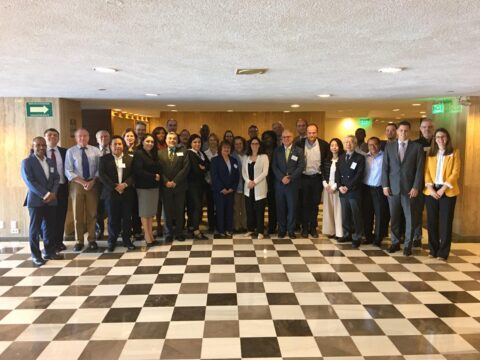
In March, the WHO Global Leprosy Programme held a 3-day informal consultation in Mexico City, entitled Defining Criteria to Declare Elimination of Leprosy. ILEP was represented by Dr Wim van Brakel and Geoff Warne.

In the new global NTD Roadmap, the goal for leprosy has changed from ‘elimination as a public health problem’ to ‘elimination’, defined as interruption of transmission. This informal consultation was called to discuss what criteria should be used to verify that the transmission of leprosy has indeed ceased in a country.

Two-thirds of the 40 delegates were from the Americas, bringing a valuable perspective to those of us more accustomed to the Asian and African perspective. Useful case studies demonstrated the changes in age profile of new cases, and the number of child cases, in countries where new case numbers were approaching zero and where transmission was thought to have ceased some years earlier.

One of the issues in leprosy has been that countries were able to assert ‘elimination as a public health problem’ without the need for dossiers of evidence. The process of verification of genuine elimination will require a detailed dossier supporting the country’s claim. A taskforce group will specify the standard content of the dossier and the relevant indicators. These will include epidemiological indicators, qualitative indicators of the capacity of the health and social services to provide care and promote social participation, and surveillance arrangements. The dossier is then reviewed by an expert panel, on whose recommendation WHO formally verifies elimination.

A full report on the consultation, including conclusions and recommendations, can be seen here.

New reality for the ILEP Secretariat

As of 1 April 2020, there are major changes in the way the ILEP Secretariat will function. Staff numbers have been reduced from three to two, working at opposite ends of the world.

Significant changes in the functioning of the ILEP Secretariat were decided by the ILEP Members’ Assembly six months ago and are being implemented starting on 1 April. ILEP remains registered in Geneva, Switzerland, as before, but with a reduced staff and budget.

We are discontinuing the communications officer role, which sadly means that Aliyah Esmail leaves on 31 March. The new website is almost ready for launch, but inevitably ILEP’s social media presence and other communications outputs will reduce. However, these monthly ILEP Updates will continue.

Monty Mukhier continues as full-time Administration and Finance Manager, based in a shared office in Geneva. His role is much as before, the mainstay of the day-to-day work of the Secretariat.

Geoff Warne continues as part-time CEO, based in New Zealand, but travelling and working in Europe and other places around ten weeks a year.

With personnel at both ends of the world, the Secretariat will now be ‘open for business’ almost round-the-clock and our aim is to have no reduction in responsiveness. Please don’t hesitate to contact us.

GPZL update – March 2020

Calling all technical experts! The Operational Excellence Working Group has opportunities for technical experts to engage in country programmes towards zero leprosy roadmaps; the GPZL technical support pool; support to the zero leprosy toolkit helpdesk; translate best practices into French and Portuguese; and be involved in one of the research priority groups.

GPZL’s Operational Excellence Working Group was founded to foster the development, use, scale-up, monitoring, and evaluation of best practices and promising innovations in national leprosy control programmes. This group has contributed to establishing GPZL’s Zero Leprosy Toolkit and Country Review tool in the last two years. These products will always be living products in need of regular updates, but work on them will not continue with the same intensity.

Operational Excellence Working Group activities are continuing in 2020. These activities are diverse and sometimes time-bound, and offer opportunities for people to contribute within their field of expertise, interest, and available time. Christine Fenenga, GPZL’s Director of Country Programmes, has recently described the priority areas of work in 2020 and called for people with technical expertise to engage. The priority areas of work include:

  • Engagement in Country Programmes: Members living and working in countries where the GPZL engages in country support will be actively involved in various activities, such as the National Leprosy Programme review, Roadmap design, and National Action Plan development. Each year from 2020 to 2025 GPZL will engage in five or more countries, with the aim of developing Zero Leprosy Roadmaps in 30 countries by the end of 2025.
  • Providing technical support as a member of the GPZL Technical Support Pool, especially to facilitate zero leprosy reviews at country level.
  • Delivering support to the Zero Leprosy Toolkit helpdesk by providing expert advice about how some of the tools can be used. Support is also needed for the translation of best practices into French and Portuguese.
  • Engaging with a Thematic Research Group. The thematic areas are: diagnostics; operational research issues; SDR in PEP; and stigma. The link between research and operations is key in defining relevant research questions upon which to base proposals.

Go here for more detail on these opportunities and whom to contact to express an interest.

IDEA International Day of Dignity and Respect

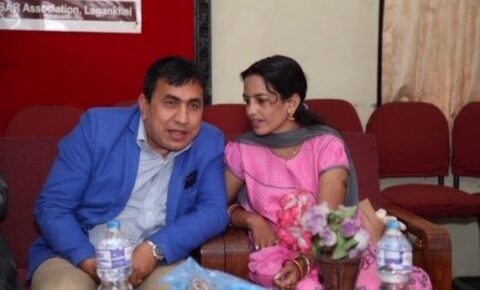
IDEA’s International Day of Dignity and Respect was celebrated in Nepal on 11 March. Two members of ILEP’s Advisory Panel were involved: Rachna Kumari as special guest and Amar Timalsina as lead organiser.

The International Day of Dignity and Respect is an important feature on IDEA International’s annual calendar. The day was celebrated in Nepal by a programme held at the conference hall of the Nepal Bar Association, organised by IDEA Nepal. There were more than 100 guests.

Rachna Kumari, a member of ILEP’s Advisory Panel, was a special guest and was recognised in the programme for her contribution in the field. She shared the story of her victory against leprosy, a story which moved and encouraged the many women affected by leprosy who were present. Several other people were also honoured for their years of dedication towards the wellbeing of people affected by leprosy.

The programme was covered by the national media including TV and newspapers. It was supported financially by a leading Nepali bank and by IDEA International.

Alice Cruz joins UN statement on International Women’s Day

“No country in the world is free from discrimination against women … The time to act is now”. UN experts associated with the Human Rights Council – including Alice Cruz, Special Rapporteur for the elimination of discrimination against persons affected by leprosy – spoke out on International Women’s Day to urge men and boys to become women’s rights defenders.

“Women’s and girls’ activism and autonomous movements have been the driving forces behind the advancement of women’s human rights and gender equality and remain ever essential,” said Meskerem Geset Techane, Chairperson of the UN Working Group on discrimination against women and girls. “But … responsibility for progress cannot continue to lie solely on the shoulders of women. Men and boys need to stand with women and girls as allies in the fight for gender equality and demand an end to impunity and accountability for violations of women’s rights and access to justice.”

In the statement, the UN human rights experts said that much has been accomplished since the UN’s proclamation of International Women’s Day in 1977, but that progress remains insufficient. “Today, no country in the world is totally free of discriminatory practices and discriminatory laws still exist in many places,” said the statement. “Discrimination against women and girls persists and is too often unchallenged or normalized. Discrimination lies at the heart of every issue faced by women regardless of their identity or status. It operates in all spheres of women’s lives and is by no means accidental; discrimination is indeed political and systemic.”

The experts underlined the importance of adopting an intersectional approach to gender discrimination in order to understand and adequately respond to the unique forms of discrimination generally experienced by women on account of race, ethnicity, national origin, religion, sexual orientation, age, and disability status among others.

The UN experts said in their statement that “discrimination against women and girls is a human rights violation which must not be tolerated …  The time to act is now. Structural causes for inequality and deeply entrenched discriminatory attitudes and practices must be tackled in order to achieve gender equality and a sustainable future for all.”

See the full statement

NTD Roadmap 2021-2030 launch date

WHO announced that it plans to launch the new NTD Roadmap virtually on 17 June 2020. There may also be launches specific to regions, countries, or different audiences.

We have informed Update readers about the progress of the 2021-2030 NTD Roadmap. WHO has set a date – 17 June – for the official launch, which will take place virtually. WHO is inviting partners to actively support this virtual launch in as many ways as possible to amplify the messaging of the Roadmap and to mobilise their collaborative efforts,

The launch date, and WHO’s leadership in it, were broadly welcomed by funders and other stakeholders. ILEP is liaising with NNN (the NGO NTD Network) about ways to support the launch.

Uniting to Combat NTDs (UTC) with its partners had been coordinating a Roadmap launch at the Kigali Summit on Malaria and NTDs on 25 June. This was to be held alongside the Commonwealth Heads of Government Meeting (CHOGM) but the whole event may be cancelled due to COVID-19. UTC has been exploring alternatives. We will keep readers posted on all developments.

2020 NTD Innovation Prize

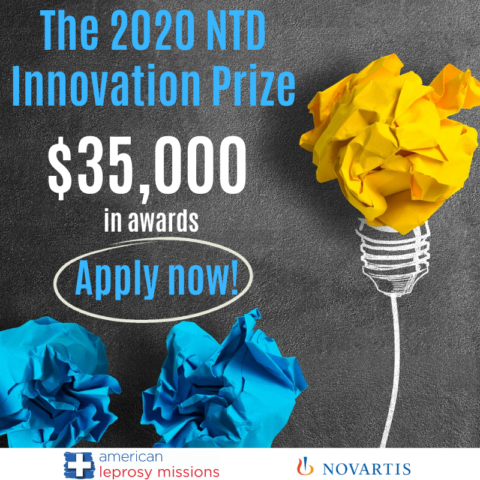
The NTD Innovation Prize encourages creativity and ingenuity in addressing NTDs. There are two prizes in 2020, worth a combined $35,000. Applications close on 30 April.

The NTD Innovation Prize is designed to encourage and support creativity and ingenuity in addressing neglected tropical diseases (NTDs) and to fund new ideas that could result in cost-effective, scalable and transformative impact. In 2020, American Leprosy Missions is partnering with Novartis to offer a first prize of up to $20,000 and another of up to $15,000.

This contest focuses on ideas that apply a new approach, tool or method to a persistent challenge, aligning with the BEST framework’s strategic domains of Behaviour, the Environment, Social inclusion and equity, and Treatment and care. Cross-cutting themes related to data and analytics to support access to information and inform decision making are also encouraged.

Applications are due on 30 April 2020, and prizes will be awarded at the 2020 NTD NGO Network (NNN) Conference in September in Kathmandu, Nepal. For more information and to apply, please visit the NTD Innovation Hub.

ILEP submission on ending discrimination against children from families affected by leprosy in Vietnam

This submission to the 87th pre-session of the Committee on the Rights of the Child recommended a set of actions by the government to protect the rights of children from families affected by leprosy, in line with the Convention on the Rights of the Child.

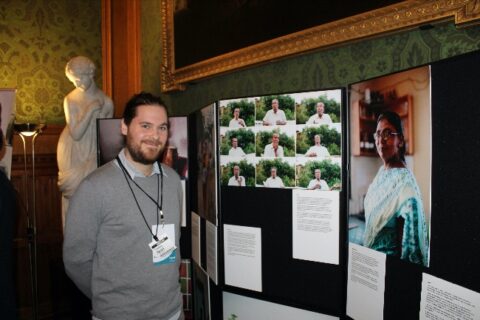
Lepra’s New Faces of Leprosy exhibition

In March, Lepra will be exhibiting the New Faces of Leprosy at the Seacole Social Cafe at the London School of Hygiene & Tropical Medicine.

The New Faces of Leprosy 2020 was shot by professional photographer Tom  Bradley – who will be teaching a segment on cell phone photography to the ILEP Communicators Network at the ILEP Conference. Attendees of the ILEP Conference can also see some of the pictures from the exhibit at the Holiday Inn, Brentford Lock.

This exhibit focuses on people living ordinary lives, despite their leprosy diagnosis. The aim was to highlight that those with families, careers and from all kind of background can still get leprosy. The project was funded by a grant from the London School of Hygiene and Tropical Medicine.

Professor Diana Lockwood, led the first New Faces of Leprosy 2019 to advance a positive image of leprosy, and recently spent several weeks in India, meeting people affected by leprosy and listening to their stories. These stories, along with accompanying photographs, were collated into The New Faces of Leprosy project which was formally launched on the 28 January 2020 at The House of Lords, London.

The New Faces of Leprosy project hopes to dispel myths about leprosy and highlight the resilience and determination of people affected to continue their lives.

GPZL is in the top 100

The GPZL’s bid for the MacArthur Foundation’s US $100 million 100&Change prize – co-designed by a consortium of ILEP Members – has been placed in MacArthur’s top 100 proposals. Read more about their bold solution here.

The Foundation will now start on a process linking GPZL with new donors, which is a strong boost to its resource mobilisation work. Meanwhile the due diligence processes continue, and in due course we will know whether the bid has reached the top ten. You can read more about all of the top 100 proposals here.

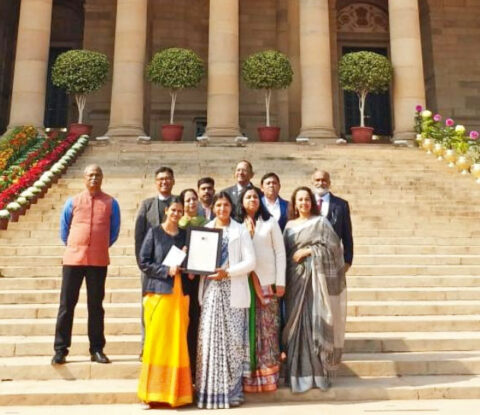
TLMTI’s work recognised by the President of India

On 6 February 2020 The Leprosy Mission Trust India received the International Gandhi Award 2019.

The President of India, Shri Ram Nath Kovind, the Minister of Health, Shri Harsh Vardhan, and the Minister for Social Justice and Empowerment, Shri Thawar Chand Gehlot, conferred the International Gandhi Award 2019 (institutional category) on The Leprosy Mission Trust India (TLMTI), in recognition of its long-standing work with people affected by leprosy.

Mr Bhal S. Chakranarayan, Chairman of the Board of Governors of TLMTI accepted the award on behalf of the organisation. The International Gandhi Award is given by the Gandhi Memorial Leprosy Foundation, Wardha, Maharashtra, and is given once every two years to organisations working with people affected by leprosy helping them to live with dignity.

The International Gandhi Awards for Leprosy commemorates the compassion that Mahatma Gandhi possessed and his services towards people with leprosy. The awards aim to recognise the outstanding work by individuals and organisations to fight leprosy and eliminate the prejudices associated with it.

To read the address by the President of India on the occasion of the presentation of the award click here.

Efforts to protect rights of persons affected by leprosy must continue

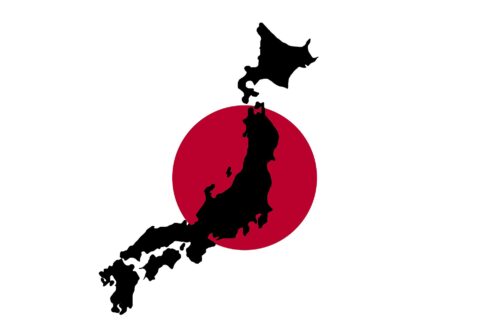
Message to Japan from UN Special Rapporteur on Elimination of Discrimination against Persons Affected by Leprosy

The following is a media advisory from UN Special Procedures

TOKYO (19 February 2020) – “Japan has achieved remarkable progress in protecting the rights of persons affected by leprosy and these efforts must continue,” said Alice Cruz, UN Special Rapporteur on the elimination of discrimination against persons affected by leprosy and their family members, after concluding her eight-day visit to the country.

“I welcome the strenuous efforts made by the Government of Japan, in close cooperation with civil society, which is a good example in eliminating the discrimination and prejudice against persons affected by leprosy (also known as Hansen’s disease) and their family members. I urge the authorities to continue and sustain their efforts on international cooperation, especially in the area of protecting the rights of older people,” Cruz said

“I acknowledge the progress made in protecting the rights of this marginalized group in Japan, especially through the Kumamoto district court decisions of 2001 and 2019, as result of a tireless consolidated struggle by affected persons and their family members. I commend the Government for responding to the voice  of affected persons by recognizing its responsibility for past violations  of their human rights, offering a public apology and compensation, and putting in march a multisectoral approach to Hansen’s disease.

“However, systemic change is difficult to achieve and stigmatization at the society and community levels, still exists. While a considerable number of affected individuals have left these institutions over the years, today some 1,100 persons who were segregated by force still live in 13 sanatoriums. With the average age of 86 years, many of them are living with physical and psychosocial impairments, as well as disabilities related to Hansen’s disease. They were dehumanized by the forced segregation and sterilization policy, which continued even after the disease, has become curable. They still struggle to restore their dignity and their family ties broken by decades-long institutionalized discrimination,” Cruz said.

“Efforts should be strengthened to expand the scope of reparation programmes in order to ensure effective healing; sustain leprosy-related medical and nursing knowledge; guarantee the rights to freedom of expression and legal capacity; provide support services, high quality care and counseling; create environment favorable to rebuild family relationships; and support the application of Nagashima to UNESCO world heritage,” she said.

“Health care services and counseling should be provided on an equal basis in and outside sanatoriums. Affected persons should make free and informed decision about their future, any health matters and palliative care,” the expert said.

During her visit, Cruz held consultations with representatives from relevant Ministries as well as with representatives of civil society organizations, law and health experts, and academia. She visited the Hansen’s Disease Museum, the National Institute of Infectious Diseases and the national sanatoriums in Tokyo and Nagashima. She listened to valuable testimonies by several persons affected by Hansen’s disease and their family members living in and outside sanatoriums.

The Special Rapporteur will submit a comprehensive report, including findings and key recommendations, to the UN Human Rights Council in June 2020.

ENDS

Click here to read the End of Mission Report.

Alice Cruz is the first UN Special Rapporteur on the elimination of discrimination against persons affected by leprosy and their family members, appointed in November 2017 by the Human Rights Council. Ms. Cruz worked as External Professor at the Law School of University Andina Simón Bolívar – Ecuador and in several Portuguese universities as researcher on health and human rights, in particular leprosy. She participated in the elaboration of WHO Guidelines for Strengthening Participation of Persons Affected by Leprosy in Leprosy Services. She has researched and written on the subject of eliminating leprosy and the stigma attached to it and has interacted with various stakeholders, including persons affected by leprosy.

The Special Rapporteurs are part of what is known as the Special Procedures of the Human Rights Council. Special Procedures, the largest body of independent experts in the UN Human Rights system, is the general name of the Council’s independent fact-finding and monitoring mechanisms that address either specific country situations or thematic issues in all parts of the world. Special Procedures experts work on a voluntary basis; they are not UN staff and do not receive a salary for their work. They are independent from any government or organization and serve in their individual capacity.

G-FINDER Report 2019

The 12th annual G-FINDER report, published by Policy Cures Research at the end of January, is an annual global review of research funding into NTDs and it contains mixed messages.

Total NTD funding increased for the third year in a row. But funding for the six most neglected diseases – including leprosy – fell. Leprosy research funding, at US $10 million, is at the lowest level for seven years. Half the leprosy research funding came from National Institutes for Health (US) and the Indian Council for Medical Research. ILEP Members and LRI contributed 20%.

The full report is an interesting read and enables you to compare investment in leprosy research with other NTDs. There is also a 6-page summary.

WHO draft NTD Roadmap

The World Health Organization’s draft Roadmap on NTDs is now online. It sets out a comprehensive plan outlining targets for prevention, control, and elimination of infectious diseases locking a large part of the world into a circle of poverty and poor health.

The original group of 17 target NTDs presented in the proceedings of the highly influential WHO meeting on ‘Accelerating work to overcome the global impact of neglected tropical diseases‘, was enlarged in 2016 to 20 diseases, now including infections due to helminths, protozoa, fungi, bacteria and viruses.

Additionally, a consultation has been initiated by WHO on a sustainability framework that will accompany the Roadmap. Through the consultative process it was understood that the roadmap would benefit from an investment case, a sustainability framework, and a monitoring and evaluation framework.

WHO now invites all stakeholders to fill out a short questionnaire towards developing the sustainability framework. It should not take more than a few minutes and your contribution will be highly appreciated. The survey questionnaire can be found here and will be open until 6 March 2020.

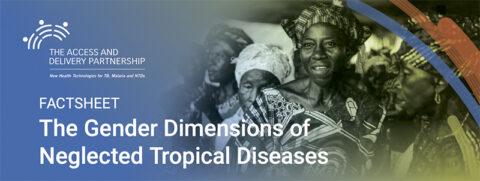
The gender dimensions of NTDs

Gender can affect who gets preventive medicines, who is diagnosed and treated, and who is exposed or vulnerable to NTDs.

A new discussion paper by the UNDP-led Access and Delivery Partnership highlights gender inequities in NTDs and what can be done about them. Recommendations include ensuring that programme design takes into account how gender impacts on all aspects of NTD treatment and care, and addressing gender-based stigma and mental health effects of NTDs.

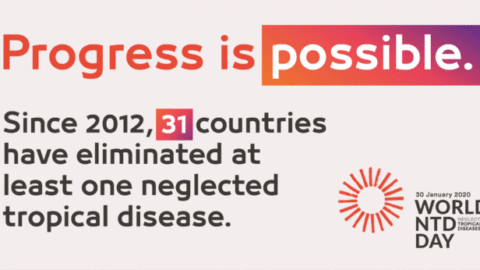
The world celebrated the first World NTD Day

The first World NTD Day took place on 30 January 2020. This date was the beginning of a year long push to get attention on NTDs.

In May, at the World Health Assembly, the NTD Roadmap will be launched. In June, the Kigali Summit will call on global leaders to deliver political commitments and to mobilise new financial commitments of US $1.5 billion to accelerate progress towards the total costs of delivering the WHO NTD 2030 Road Map and will build on the success of the 2012 London Declaration. In September, NNN (the NTD NGO Network) will be celebrating the success and embracing the new WHO NTD Roadmap.

The Lancet also talked about the push “to gather support and build momentum for a decisive year of action against NTDs”.

To see coverage about World NTD Day, visit the following links:

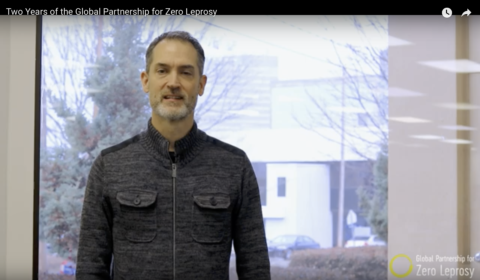
GPZL turns 2

This year’s World Leprosy Day marked the second anniversary of the founding of the Global Partnership for Zero Leprosy. In the past two years they’ve seen the growth of the partnership from an idea into a collaborative platform that unites groups working in leprosy and accelerates action towards zero leprosy.

They have made many strides over the past two years, including an aligned research agenda, the creation of the Zero Leprosy Toolkit, and the launch of two country missions in Nepal and Morocco. They expect to work with five more countries in 2020, where they will support National Leprosy Programmes and help countries set out on a path to zero leprosy.

They say thank you to all of their partners that have made the work of the last two years possible. They are looking ahead to a world without leprosy, confident that together we can get there.

Watch an anniversary message from GPZL Leadership Team Chair, Bill Simmons here.

Reposted with permission from GPZL – originally published in January 2020 here.

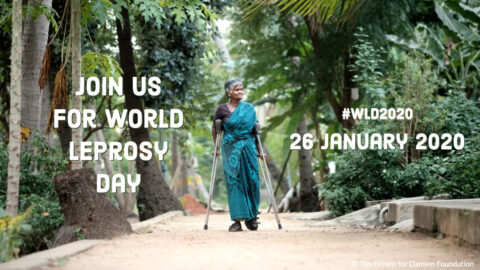
World Leprosy Day – 26 January 2020

This World Leprosy Day, observed on Sunday 26 January, focused on the need to end the stigma and discrimination associated with leprosy by protecting the human rights of people affected. Leprosy was highlighted across media and social platforms reaching a wide range of stakeholders and audiences around the world.

Supportive tweets came from many quarters, including people affected by leprosy, government health ministries, WHO, UN officials, celebrities, the NTD community, other health and development NGOs along with the Pope.

It was great to see a lot of positive coverage across social media platforms, as ILEP Members, partners and the broader leprosy community drew attention to this important, but often neglected, aspect of the disease. To see the social media toolkit, visit here.

GPZL implementation plan workshop

The Global Partnership for Zero Leprosy (GPZL) hosted a meeting on 13-14 January in Amsterdam to gather input from partner organisations on their work with endemic countries.

This was an important and inspiring event. GPZL was launched two years ago and has achieved most of its first-stage objectives. It is now time to move into the ongoing operational phase where one of the main tasks is to form National Partnerships for Zero Leprosy and work with them towards achievable zero leprosy objectives.

Eighteen persons from ILEP Member associations were among the 34 attendees. There was also a strong presence from Novartis as well as from national programmes, WHO, people’s organisations and the GPZL Secretariat. Working in small and large group discussion sessions, participants shared their core values and hopes for GPZL. The meeting’s main objectives were the following:

  1. To develop criteria which GPZL can use to select which countries it will aim to work in during the coming years. This includes five countries in 2020 and at least 30 by 2030. GPZL is already being approached by more countries than it can work with in the short term, so criteria are needed to ensure a fair, equitable and representative selection process.
  2. To create implementation plans for the preparation and implementation phases of Zero Leprosy partnerships in-country. This involved three steps:
    • Specifying what key actions are needed in each of these phases;
    • Identifying the main strengths and potential contributions of each of the partners; and
    • ‘Mapping’ the potential contributions to the key actions

More details of the workshop and a listing of ideas generated can be seen at here.

GPZL 2020 country support

The Global Partnership for Zero Leprosy (GPZL) is supporting high, medium and low leprosy-burden countries by bringing together partners in-country and international stakeholders to work on country-led customised strategies that address local needs and priorities to end leprosy.

GPZL spearheads this work in close collaboration with WHO’s Global Leprosy Programme, and offers support to national programmes through this unique country model approach. This model builds country capacity through country reviews, roadmaps, and resources and tools.

They work with countries to:

  • Help take stock of their current activities and needs through country reviews;
  • Create visioning roadmaps that lead towards zero leprosy; and
  • Support country-led strategies through resource mobilisation, technical assistance and online tools.

The partnership is selecting priority countries for 2020 and is asking interested countries to submit Expressions of Interest through the website for consideration this year. Expressions of Interest for country support in 2020 are due 1 March 2020. 

If you work with a National Programme Manager who may be interested in GPZL’s country support for the leprosy programme, visit the Expression of Interest Form to learn more.

Evaluation of India’s Leprosy Eradication Programme

In November, a team chaired by Bill Simmons (American Leprosy Missions) undertook an independent evaluation of India’s National Leprosy Eradication Programme (NLEP). The findings were released on 28 January at a high-level meeting in Delhi involving representatives from the Ministry of Health, WHO, ILEP, Novartis and Sasakawa Health Foundation. ILEP India leaders met with Geoff Warne the previous day.

The strategic recommendations are in six categories:

  • Sustained and stronger political commitment at state government level;
  • A zero leprosy roadmap with different sets of strategies based on the endemicity of districts (a major departure from the way the programme currently operates);
  • A set of improvements to programme management including — capacity development, consideration of joint programmes with other NTDs, and rethinking the balance between integration of leprosy services and maintaining elements of a disease-specific structure;
  • A stronger focus on disability prevention and medical rehabilitation, particularly including recording of Grade-1 disability and monitoring patients with Grade-1 and Grade-2 disability for ten years after the completion of MDT;
  • Better strategies for urban leprosy control; and
  • A range of ways in which NLEP needs to work and coordinate more effectively with other government sectors, with communities, and with partners like ILEP.

Some of these recommendations, and the operational recommendations that accompany them, could be transformative. Likely next steps include stakeholder meetings to plan implementation. This will be a critical time for ILEP, enabling us to look afresh at what ILEP Members can contribute to the NLEP.

Bangladesh Leprosy Conference

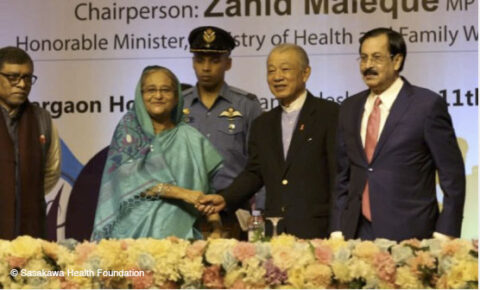
The most high-profile leprosy event in Bangladesh for decades was held in December 2019, initiated by Sasakawa Health Foundation with the Ministry of Health. The 500 invitees included senior civil servants from various ministries, heads of health services from all the districts, personnel from WHO, NGOs and persons affected by leprosy.

The highlight was the presence of Prime Minister Sheikh Hasina Wazed, who chaired the inaugural session and gave the keynote speech. Having the PM attending a leprosy conference is a major achievement in Bangladesh. She talked about her personal interactions with persons affected by leprosy dating back 30 years. She announced that she is personally committed to Bangladesh reaching zero leprosy by 2030. In her speech she covered the need to stop neglecting leprosy, to promote inclusion, to expand early case detection, and to undertake research. Such is the PM’s authority in Bangladesh that our colleagues who were at the meeting have no doubt that a clear message got through: she expects action.

The following day there was a national meeting of persons affected by leprosy, organised by Sasakawa Health Foundation with the support of Lepra and TLM. The participants agreed on some preparatory steps towards formalising a nationwide network or organisation of persons affected by leprosy. The lack of a national ‘voice’ of persons affected by leprosy has been very evident and it is good to see this coming into existence.

As a result of the PM’s statements, there is expectation on the Ministry of Health and Family Welfare to plan how to achieve the goal of zero leprosy, and an opportunity for ILEP and GPZL to work closely with the Ministry towards this objective. The next steps include an official request to the Secretary of Health to organise a meeting to discuss the follow-up activities of the conference together with the key stakeholders including ILEP and GPZL. We are hoping that this may take place in the next two months.

TLM global advocacy campaign

In January Disabled Peoples’ International (DPI) and The Leprosy Mission (TLM) Global Fellowship members started an advocacy campaign to increase ownership and political commitment from governments of leprosy priority countries.

The campaign started with a meeting with the Special Rapporteur on Right to Food in Rome on 21 January followed by submission of their appeal in the form of an ‘Open Letter’ informing her why her mandate should have  special focus on persons affected by leprosy. The plan in the future is to also work with other Special Rapporteurs such as those focussed on health, older persons, adequate housing, drinking water and sanitation, cultural rights, extreme poverty, discrimination against women and girls, etc.

Though the team is already working closely with three Special Rapporteurs (leprosy, disability rights and violence against women) they are now targeting other Special Rapporteurs with mandates that are relevant to  people affected by leprosy and their families.

This advocacy strategy is similar to the one used by disability rights advocates and that is to mainstream the human rights of persons affected by leprosy across all relevant UN human rights mechanisms so that there is greater impact and holistic approach to promote and protect human rights of persons affected by leprosy. Mainstreaming leprosy and rights of persons affected by leprosy within the human rights discourse will help to further the conversation.