Archives

Leprosy Research Initiative calls for proposals

The Leprosy Research Initiative (LRI) is pleased to announce a call for proposals for funding commencing in 2021. LRI funds research with a focus on leprosy – including research applications combining leprosy with other neglected tropical diseases (NTDs) or other diseases that share cross-cutting issues with leprosy.

Eligibility criteria:

  • The main topic of the study must fall within one of the agreed priority areas.
  • Research results must be directly applicable to leprosy services or to the wellbeing of persons affected by leprosy.
  • Preference will be given to proposals from or in close collaboration with institutions or organisations in endemic countries.
  • Project duration must not exceed four years (48 months).
  • A typical project budget does not exceed €50,000 per year, but certain biomedical research projects may be eligible for supplemental funding.

In addition to the eligibility criteria, this year the LRI has a particular interest in studies which include specific strategies to improve the participation of persons affected in research and in studies which are in support of PEP implementation (across all priority areas).

Please note that salary costs of senior researchers in non-endemic countries will only be supported to a limited extent (normally to a maximum 0.1 fte).

Researchers interested to apply for funding by the LRI are invited to complete and submit a Letter of Intent (LoI), giving an outline of the intended research. The LoIs should be submitted using the LRI Grant Application portal – which can be accessed here.

LoIs should be submitted by 28 February 2020 at 23:59 (Amsterdam date and time) after which the application portal will be closed. LoIs will be screened by the LRI Steering Committee (SC). If the feedback by the SC is positive, the applicants will be invited to submit a full proposal before the next deadline (1 June 2020).

NTD Support Center calls for proposals

The Neglected Tropical Diseases Support Center (NTD-SC) has a number of requests for proposals, the most relevant to ILEP Members being those on research to address neglected tropical diseases (NTDs) and leprosy.

Research to Address Special Topics in Leprosy

Research supported by this call would help define existing barriers and opportunities in order to provide guidance as to how local health services can leverage existing platforms to ensure sustainability as they roll out PEP and other novel strategies. Additionally, developing community engagement strategies can help to reduce some of the social stigma that individuals face when seeking care for leprosy. Learn more here.

Research to Better Understand the Psychosocial Impact of NTDs

The outcomes of this request for proposals will strengthen the evidence base about the psychosocial impact of NTDs on individuals and their caregivers. The NTDs which will be considered for this call include: leprosy, lymphatic filariasis, onchocerciasis, schistosomiasis, trachoma, and visceral leishmaniasis. Learn more here.

Research to Identify Solutions to Address Barriers Facing Special Populations Seeking NTD Prevention & Treatment

The outcomes of this request for proposals will strengthen the evidence base by identifying the causes and piloting solutions that break through the barriers these special populations face in accessing NTD services. The NTDs which will be considered for this call include: leprosy, lymphatic filariasis, onchocerciasis, schistosomiasis, trachoma, and visceral leishmaniasis. Learn more here.

The deadline for the call for proposals is 7 February 2020 at midnight EST. All research activities, analysis, and final technical/financial reports for selected research projects must be concluded and submitted by 27 February 2021.

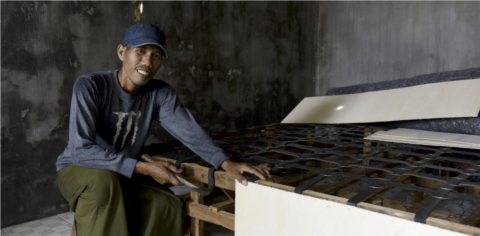
The story of Mohammed

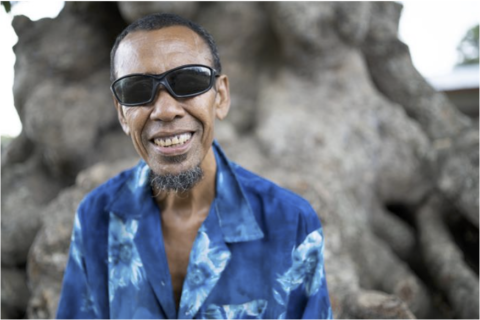
Mohammed’s family feared his leprosy. He was locked up indoors and was refused permission to go outside. He now travels the villages to spread the word that leprosy can be cured and that the people affected by it, should not be locked away.

“When the first signs of leprosy emerged, I thought I was superman. My one arm had become numb. I could hold a match to it and not feel a thing. When my neighbours said it was leprosy, my parents’ world, and with it my own, collapsed.

My parents thought my illness was a punishment from God. I was no longer allowed to go outside the house. They hid me indoors and gave me a separate room. I always sat in the same chair, ate from the same plate with the same cutlery, and used my own towel. Not only my parents but the rest of my family too, feared my leprosy.

These days were the darkest of my life. Even today, the memories of it can bring me to tears. After a year, by accident, my parents discovered that one of our neighbours had also had leprosy but had been cured. It was only then that I was I taken to a clinic. Three years later, I too had been healed. But the consequences of the disease haunt me to this very day, 28 years later.

My brothers and sisters continue to be ashamed of my illness. Often the stigma attached to leprosy affects a person much longer than the disease itself. That’s why I’m so motivated to fight leprosy.

I’m the chairman of a group that was set up by people who were affected by leprosy. Together we fight the disease on East Java. The situation has improved a lot already. People affected by leprosy used to be completely cut off from their environment. Nevertheless, our work remains important. Every year, four thousand people become affected by leprosy in this area.

Together we visit villages to spread the word that leprosy can be cured and that people affected by the disease should not be locked away. Very important also, are the conversations we have with religious leaders. They can play a major role in the reduction of stigma. Just like the families of people affected by leprosy. Medication cures leprosy, but full recovery is only possible with family support.

Reposted with permission from NLR – originally published in November 2019 here.

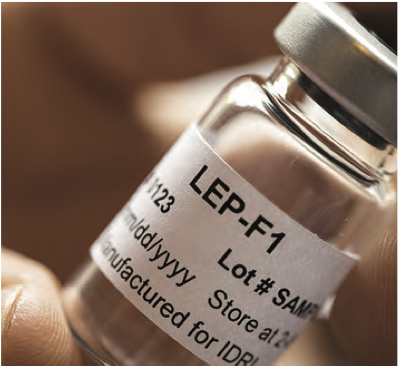
The Leprosy Vaccine

In 2002, the American Leprosy Missions (ALM) began a partnership with the Infectious Disease Research Institute in Seattle, Washington to develop a vaccine for leprosy.

An investment of 17 years and more than $6 million has resulted in LepVax: a vaccine that finished Phase Ia clinical safety trials in healthy human volunteers and is headed into Phase Ib among people most at risk.

Phase Ia results 

In the summer of 2019, the 18-month Phase Ia clinical trial for LepVax was completed. This study was the first step in testing LepVax for clinical use. Phase Ia was designed to demonstrate the vaccine’s safety and to evaluate the immune response to the vaccine.

The study showed that the vaccine was extremely safe and resulted in no serious adverse events. The FDA recommended that the LepVax candidate proceed to the next phase of clinical trials.

Why now?

LepVax is the first leprosy-specific vaccine to go through Phase I clinical trials. ALM believes this vaccine will be an exciting new way to stop the transmission of leprosy and the only way to protect people from the disease long-term. What’s more, the vaccine may protect against nerve damage, the most serious complication of leprosy.

Phase Ib

The Phase Ib clinical trial preparations have begun, and participant enrolment is expected to begin in the next few months. The trial will run for two years. Thirty healthy participants and 24 patients with pauci-bacillary (PB) leprosy will be enrolled. After showing the safety of the vaccine in the Phase Ib study, Phase II clinical trials of LepVax will begin.

Progress and next steps

  • August 2017:  Approved by Food and Drug Administration
  • October 2017:  Started Phase Ia clinical trial
  • November 2017: Interim safety review successfully completed
  • January-March 2018:  Complete injections of second cohort; perform last blood draw; begin one-year follow-up period
  • June-December 2018:  Complete clinical sample processing; analyse data and clinical immunology
  • January-March 2019: Analyse data and clinical immunology; write clinical study report
  • August 2019:  Completed Phase Ia clinical trial
  • July 2019 – July 2021:  Two-year Phase Ib clinical trial in Brazil
  • 2021: Phase II clinical trials

Read more about the clinical trials and the results from Phase Ia here.

Reposted with permission from the ALM – originally published in November 2019 here.

First World NTD Day

The first World NTD Day will be on 30 January 2020 – the same as World Leprosy Day in India (in the rest of the world it will be on 26 January 2020).

Announced on 19 November 2019 at the Reaching the Last Mile Forum, World NTD Day will be an annual opportunity to bring attention to the 1.6 billion people affected by NTDs.

Organised by Global Health Strategies, 30 January was chosen because of the date’s link with the London Declaration, which was signed in 2012. In 2020, they see World NTD Day as the start of a campaign that proceeds through the adoption of the NTD Roadmap at the World Health Assembly (May) and its promotion at the next Commonwealth Heads of Government Meeting in Kigali (June). The Kigali event is being promoted as the ‘Next London Declaration’ where governments and other leaders will be encouraged to make commitments in support of the Roadmap goals.

Though World Leprosy Day is on this date in India and a few days earlier worldwide, the leprosy community still has the opportunity to amplify its messaging around World Leprosy Day to new audiences. Ensuring that leprosy is actively included in whatever advocacy and support is built with governments can only positively reinforce the community’s messaging.

Organisations who would like to support World NTD Day have been invited to supply logos here.

InfoNTD and Infolep launch new websites

The InfoNTD and Infolep websites are now ready for you to visit. They have all new functionalities and a much friendlier design.

If you work in the fields of Neglected Tropical Diseases (NTDs) or leprosy (as a researcher, programme manager, M&E officer, policy maker, or health professionals), the new Infolep and InfoNTD have information that might be very relevant to you. On the InfoNTD and Infolep websites you can find over 30,000 subject related publications and tools. New features include a service which answers FAQs and to which you can upload questions, and icons that quickly identify open access literature. Key improvements include a more user friendly design, qualitative search results and specific filter options so that you can find exactly what you are looking for. Moreover, the accessibility to the portals is enhanced and adapted to ensure fast navigation in low-resource settings. Content on both websites is constantly being updated. You can also sign up for their monthly newsletter which shares a selection of the latest publications that have been added to the platforms, so that you don’t miss any new developments in your field of interest. For any questions, suggestions, comments or compliments, please email info@infontd.org or info@infolep.org.

Workshop explores how to scale up PEP and advance research

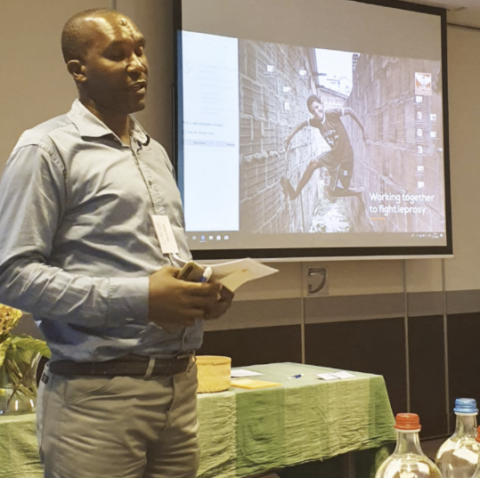
The Leprosy Research Initiative (LRI), NLR, and the Global Partnership for Zero Leprosy (GPZL) hosted a 4-day workshop in Amsterdam, 5-8 November 2019, to discuss issues related to post-exposure prophylaxis (PEP).

PEP involves the use of preventative antibiotics given to close contacts of people diagnosed with leprosy, such as family members or neighbours.

For this workshop, researchers and programmatic partners came together to work out common country packages for implementation and to develop proposal outlines to advance PEP research. The workshop was composed of two distinctive groups, one focusing on research and one on operations. The groups worked separately but had daily exchange sessions to feed relevant topics in each other’s agendas.

The operations group developed three specific country profiles: PEP start-up; PEP scale-up; and PEP last-mile. These profiles will help countries with preparing, implementing and evaluating PEP into their national programmes. The tool developed for this workshop will be uploaded in the Zero Leprosy Toolkit with detailed examples. The results of this operations group will also be documented into a joint publication.

The research working group initially focused on the four topics in the context of PEP: (1) PEP targeting and delivery; (2) New regimen; (3) Mapping; (4) Modelling and Investment Case. One concrete idea that will be further developed over the coming months is a decision matrix which will include a number of indicators that may have a differential impact on the choice of PEP strategy in different endemic settings. Such a matrix will assist countries in choosing the most preferred PEP strategy and when finalized will be included in the GPZL Toolkit.

Both groups worked on their specific tasks, but time for daily exchange was arranged so draft plans could be presented between the two groups. During one of the days, Dr. Anung Sughantono, Director, General Infectious Diseases, Ministry of Health, Indonesia shared two important lessons:

  1. PEP brings new hope to the health workers and local programme managers; and
  2. PEP helps the community to sense that leprosy is preventable. Mr Joshua Oraga of IDEA Kenya, reminded participants again of the importance of engaging persons affected by leprosy as experts in all activities.

This was the first workshop of its kind organized by GPZL, LRI and NLR. Lessons from this workshop will help organize future workshops. To review best practices for PEP, visit the Zero Leprosy Toolkit.

Reposted with permission from the Global Partnership for Zero Leprosy – originally published in November 2019 here.

Country review and next phase of the Operational Excellence Working Group

The Global Partnership for Zero Leprosy (GPZL) has done its second country review – this one in Morocco – and will be reorganising the Operational Excellence Working Group to work further on the toolkit and related helpdesk; technical support; and advocacy around the ongoing implementation of the GPZL country models.

Country review: Morocco

This was the second GPZL country review after Nepal. Morocco, a ‘last mile’ country, was a valuable contrast from Nepal. The review team recorded progress in the National Leprosy Programme and made recommendations on how to overcome challenges, especially those that arise when new case numbers are low, and accelerate the achievement of zero leprosy. Outputs included the outlines for medium- and long-term roadmaps to zero leprosy, to which the Moroccan Government is strongly committed. See here for more information.

Operational Excellence Working Group: next phase

Since its formation, the two main tasks of the Working Group have been to develop the GPZL country model and the Zero Leprosy Toolkit. Both are well advanced. From January 2020 the Working Group will be reorganised around three ongoing tasks:

  • the toolkit and the related helpdesk;
  • technical support, for example in the design and implementation of zero leprosy roadmaps, workshops, webinars, training manuals, etc.; and
  • advocacy around the ongoing implementation of the GPZL country models, including support for national partnerships for zero leprosy.

NTD Roadmap 2021-2030

ILEP and its Members have been very involved in the development of the new Neglected Tropical Disease (NTD) Roadmap.

With the NGO NTD Network (NNN) partners we have worked closely with the World Health Organization’s NTD Department to ensure that the Roadmap has a clear focus on NTDs, like leprosy, that have consequences in terms of disease management, disability and inclusion. We have also worked closely with the Global Leprosy Programme on the content of the disease-specific pages in the Roadmap.

The Roadmap will not be finalised and adopted until 2020, but Dr Erwin Cooreman has shared with us what is expected to be the final leprosy content of the Roadmap. Annex 2 contains the overall Roadmap targets. Some of the more notable targets, from the leprosy perspective, are:

  • Number of countries that adopt and implement integrated skin NTD strategies; and
  • Share of countries including NTD interventions in their package of essential care services and budgeting for them.

Leprosy is one of the three disease targeted for elimination (that is, interruption of transmission). The specific target is that the number of countries with zero indigenous cases will rise from 50 in 2020 to 120 in 2030.

The leprosy specific pages of the Roadmap carry much more detailed information. Here there are three targets for leprosy for 2030:

  • Annual number of new cases detected down to just over 62,000 (a 70% reduction).
  • Rate per million population of Grade-2 disability down to 0.12 (a 90% reduction).
  • Rate per million children of new child cases down to 0.77 (a 90% reduction).

The targets are followed by detailed assessments of the current status and the actions required if the targets are to be achieved. ILEP recommends a close study of these pages which will govern WHO’s approach to leprosy over the coming decade.

The case for governments

By Pradeep Bagival 

World Mental Health Day is on 10 October every year. The day is designed to raise awareness on mental health and directly tackle the stigma that too often faces people and families affected by mental health problems.

Sadly, the mental health of persons affected by leprosy and other Neglected Tropical Diseases (NTDs) has yet to become a priority for governments in NTD endemic countries.  This is something we ought to change right away.

The link between leprosy and mental health problems is significant

Studies have shown that psychiatric disorders amongst patients affected by leprosy are notable and that this is often due to social stigma. It also appears that women affected by leprosy are disproportionately affected by mental health problems because of the social and cultural values, and practices in low- and middle-income countries.

Colleagues in Nepal have written recently about their experience of working with leprosy patients at Anandaban Hospital. Often patients arrive with depression, anxiety, anger, and sleep problems. It’s the job of the team in Nepal to help them to get back on track.

Suicidal thoughts are sadly common

This year the theme of World Mental Health Day was suicide prevention. Across the globe, there is reportedly one suicide case every 40 seconds. This harrowing figure is a reminder to us that suicidal thoughts are particularly common in the leprosy and NTD community.

Last year I was in Ethiopia at the meeting of NGOs that focused on NTDs (NNN). It was an opportunity to hear persons affected by leprosy speak about the suicidal thoughts they had experienced after receiving their diagnosis. It was powerful to hear them talk about this and their words have stayed with me ever since.

Recent research indicates that depression and anxiety, which leads to suicidal tendencies, is common amongst people affected by leprosy. Good mental health is a human right, yet the governments of leprosy priority countries are not doing enough to address this worrying trend and do not provide the services that are needed.

We address this by featuring mental health on the public health agenda

Perhaps the biggest barrier in developing a robust mental health programme in low- and middle-income countries is the fact that mental health is not a prominent issue in the public health agenda.

According to the World Health Organization (WHO), almost a third of countries still do not have a specific budget for mental health. Of the countries that have designated mental health budgets, 21% spend less than 1% of their total health budgets on mental health. This is shocking when you consider that mental health problems affect around 1 in 4 of us.

The success of mental health programmes will depend on the level of political commitment. Parliaments in developing countries have a crucial role to play to ensure that there are adequate resources allocated. We need far more money directed towards mental health than is currently the case. However, they shouldn’t do this alone – partnership will bring success.

The role of the WHO and where they should direct their attention

The WHO is uniquely well placed to advocate, negotiate, and technically support national governments as they develop robust mental health interventions. Their sizeable expertise will allow governments to develop effective mental health programmes, rather than having each country reinvent the wheel.

I encourage WHO country offices in low- and middle-income countries to support governments with this task and, in doing so, address the mental health needs of people affected by leprosy and other NTDs.

There are more than one billion people affected by NTDs in the world – that’s roughly 1 in 8 people who are most likely living in poverty and are facing some of the most horrible diseases on the planet. We must acknowledge that there will be significant mental health problems amongst this population of vulnerable people.

We can do better

In the last few years, mental health problems have raced up the agenda in some countries and we are developing more and better ways of supporting people who face mental health problems. By sharing knowledge through the WHO and by supporting developing countries, we can make this revolution in mental health support truly global.

In doing so we have a much better chance of securing fullness of life for people affected by leprosy and other NTDs.

Reposted with permission from The Leprosy Mission International – originally published in October 2019 here.

Ensuring Expert Care Reaches the Marginalised

Ten-year-old Hannah lives in a small village in Liberia, surrounded by lush, green vegetation. It’s a remote place; after driving two hours on brown dirt, Hannah’s family can arrive at the closest main road.

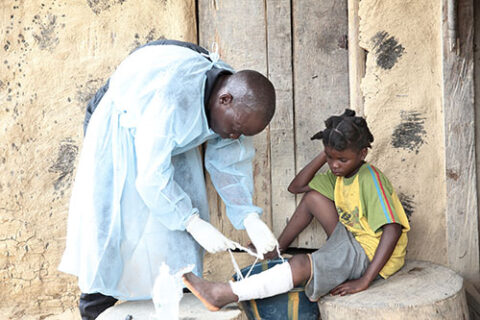
One day, when Hannah was running to call everyone in for dinner, she felt a sudden pain in her knee. The next day a bump appeared on her lower left leg, and then it burst into an ulcer. Hannah’s parents spent a large sum on local remedies, but she didn’t improve. She was in pain and her parents were desperate, so Hannah and her mother travelled hours to the nearest clinic.

When they arrived, the nurse realised right away that Hannah had a severe case of Buruli ulcer.

“She couldn’t walk – her mother carried her around on her back and Hannah’s leg was bigger than my thigh! We sent for the Buruli ulcer officer right away. He brought the antibiotics personally and immediately because we could see it was so urgent. Hannah was on the verge of death.”

People like Hannah are the reason American Leprosy Missions launched the AIM (Accelerating Integrated Management) Initiative. AIM is pioneering a method to map people with Buruli ulcer, leprosy and other neglected tropical diseases (NTDs) that cause disabilities. These maps show where affected, marginalised people are located and where cases of different diseases overlap, making it easier to target treatment. With this knowledge, a government can mobilise personnel and resources to improve access to care and prevent further disability.

The AIM Initiative equips and empowers governments to provide better care, faster, by:

  • Mapping: creating maps that show where suffering, neglected people are located;
  • Planning: helping governments develop strategic, long-term plans to target NTDs; and
  • Implementing: supporting implementation of those plans by providing health worker training and education, equipping medical professionals to diagnose diseases, and supplying drugs and medical supplies.

The AIM Initiative works to ensure that children like Hannah are diagnosed and treated more quickly, receiving expert care no matter where they live. Through programmes like AIM, we move closer to a world without leprosy and other devastating diseases!

Reposted with permission from The American Leprosy Missions – originally published in October 2019 here.

Message from the CEO – October 2019

This month Dr Paul Saunderson presents a summary of highlights and key learnings from the International Leprosy Congress, compiled with input from ITC Members.

We also feature some external publications relevant to ILEP Members. The Bologna Declaration on assistive technology is accompanied by a piece on practitioner Hoa Pham who was sponsored by NLR to an assistive technology conference in Geneva. And we profile the political declaration on Universal Health Coverage. I encourage you to browse through – it is always helpful to know where the thinking is going on key topics like these.

Special Rapporteur seeks input

Alice Cruz, the Special Rapporteur on the elimination of discrimination against persons affected by leprosy and their family members, will focus her next thematic report on the policy model to eliminate discrimination against person affected by leprosy and their family members. This report is expected to be presented at the 44th session of the Human Rights Council in June 2020.

She is seeking the views and inputs of members and observer States, national human rights institutions, United Nations agencies, international and regional organisations, civil society and other relevant stakeholders. She has asked that you fill out the questionnaire by 30 November 2019 and email it to srleprosy@ohchr.org, using the email subject: “Submissions to the Questionnaire.” Where possible please limit the response to the questionnaire to 1500 words. Supporting documents can be attached. Should you need any further information or clarification, please do not hesitate to contact her office by email.

Reflections on the 20th ILC

By Paul Saunderson

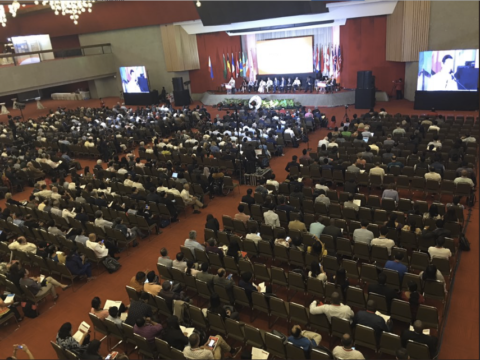
The overall impression from delegates is that the International Leprosy Congress (ILC) 2019 was successful in bringing together, in an attractive setting, people from many different walks of life, with an interest in leprosy.

The Philippine International Conference Center in Manila, provided with the support of the Philippine Ministry of Health, was an ideal venue – spacious, comfortable and accessible – while the organisers ensured that the sessions ran smoothly and on time. Staff were always available and helpful. The farewell dinner party was really impressive and the concluding video was well-produced and captured all the key moments. However, it was difficult for people to access the second floor in a wheelchair.

The atmosphere was excellent and delegates seemed enthusiastic with the new strategies and studies. A lot of new faces and young people participated in the Congress. One of the strengths of the ILC was the opportunity it presented for interaction between laboratory scientists and clinicians: an opportunity which was well-utilised.

The Global Partnership for Zero Leprosy (GPZL) workshop was welcomed and well-attended. It encouraged countries to think about country reviews and roadmaps. This momentum will certainly be followed up at the next ILC (in 2022 in India). But there was not much eye-opening research that attracted the audience’s attention. There was no obvious controversy or disagreement during the Congress; no public discussion was heard about WHO new guidelines on therapy of leprosy, although there were some adverse comments about chemoprophylaxis and the investment on vaccine development.

Following a number of invitation-only pre-Congress meetings (for example, several ILEP and GPZL meetings, as well as a number of research committee meetings), the opening session demonstrated the key partnerships in the field of leprosy:

  • National governments, represented here by the host country – The Philippines;
  • The International Leprosy Association and The Nippon Foundation;
  • WHO, ILEP, GPZL and Novartis; and
  • People affected by leprosy and their organisations.

Plenary sessions with invited speakers, taking approximately 50% of the time available, covered a wide range of important topics: leprosy and other NTDs, human rights, the Leprosy Research Initiative (LRI), the management of reactions and neuritis, neuropathic pain, chemoprophylaxis, early diagnosis, vaccines, ‘The New Face of Leprosy’ and structural biology. Fifty-six parallelsessions for presentations of free papers occupied the other half of the time, with 340 oral presentations. There were also 382 poster presentations.

Other statistics:

  • Participants: 1,012 (Male 53%, Female 47%); 41% from the Philippines; 59% from elsewhere.
  • Countries represented: 55, including India (108 delegates); Nepal (47); China (39); and Brazil (37).
  • Age of participants: Age under 30 years 12%; aged 30-60 years 72%; age over 60 years 16%.

Epidemiology and leprosy control

The quality of both oral and poster presentations was good. There were relevant studies about epidemiology and control, and diagnostics and prevention. There were studies on active case findings aimed at early diagnosis and curbing transmission. Some were based on household contact tracing or working with vulnerable populations. It would have been useful to have a ‘state-of-the art’ lecture on the evidence base for active case finding policies, including key indicators needed to monitor such activities. There is still uncertainty about how to reach contacts and other at risk groups with active case findings. Another area of uncertainty is how to increase the coverage of contact examination, which in some studies was relatively low (around 60%). In general, proposed solutions should be tailored to the epidemiological burden – for instance, coverage of the whole population in highly endemic areas.

Chemoprophylaxis, or post-exposure prophylaxis (PEP)

As may have been expected, there were a great many presentations on this topic. Dr Peter Steinmann presented an overview of chemoprophylaxis research, pointing out that the evidence of efficacy was proven by the COLEP study, while feasibility for household contacts and neighbours was shown in the LPEP programme, in which single-dose rifampicin (SDR-PEP) was given to 151,928 contacts in seven countries (Brazil, India, Indonesia, Myanmar, Nepal, Sri Lanka and Tanzania). Dr Steinmann concluded that PEP is a very promising new tool which motivates leprosy outreach programmes and as it is always combined with active case findings and contact screenings, it enhances early case detection. Possible limitations of PEP were aired briefly in the discussion, emphasising the need for ongoing research and careful attention to the data coming out of all PEP projects.

The session on transmission in clusters was very interesting and sparked a lively discussion on how to interpret the data. There is a need for further work on cluster analysis and how to target PEP effectively in different epidemiological settings. The use of mapping tools will help with this analysis.

Social aspects and People’s Organisations

The biggest challenges discussed was how could we realise the goal of zero stigma? There were a lot of discussions and new approaches developed to address prevention, early diagnosis and treatment, but there was not much discussion about how to reduce stigma and discrimination. There was no agreement on a clear goal for zero discrimination.

The Workshop for People’s Organizations (by invitation), was chaired by Dr Takahiro Nanri and Tesfaye Tadesse. The workshop shared experiences from three people’s organisation – Morhan (Brazil), HANDA (China), and ENAPAL (Ethiopia). Morhan shared their experiences on advocacy and social movement to influence the authorities and the public. HANDA focused on the sustainability of people’s organisations, suggesting that they should try to build up their own capacity and accountability before they could be sustainable. ENAPAL shared their experiences of participating in different areas of leprosy services and stressed the importance of networking with people affected by leprosy. After these presentations, a brief report on the Global Forum was made by Mr Tadesse. The main outcome of the Global Forum was hearing the collective voice of the people and the initiation of a global network among the people’s organisations.

In the session on the history of leprosy, the most impressive presentation concerned the development of the Hansen’s Disease Museum in Japan. It was initiated by people affected by leprosy and is now sponsored by the Japanese government. It has become a very important base for public education about leprosy and those affected. It could be a good example for other countries.

Another important presentation, from HANDA China, concerned Hospice care for people living in leprosy villages. It explored the needs and model of hospice care in a special setting of a closed community and showed very positive results of the care carried out by social workers. A member of the audience gave the most remarkable comments – “This is the most useful and valuable presentation I have heard during this Congress. It is an innovative research and gave us new ideas to explore services.” A few delegates expressed their interest to learn and adopt this service in their own country.

Mental health

Without the investigators knowing each other, the methods and tools used in this context were very similar. Often the PHQ-9 had been used as an instrument to measure depression in people with leprosy. The results invariably showed a high prevalence of depression and, where this was also assessed, anxiety or general mental distress. This confirmed the urgent need to address mental wellbeing in leprosy control policies and to test interventions suitable for use at the community level. Where counsellingis available, the results can be very positive, for example for new cases after diagnosis, or for those facing stigma and discrimination.

Laboratory science

There were 25 presentations in Molecular Biology and Genetics, 10 in Immunology & Vaccines and five in Microbiology. Studies aimed at identifying diagnostics for leprosy emphasised point-of-care and field-friendly solutions. Given the nature and endemicity of leprosy, it is important to identify early diagnostic and treatment monitoring solutions that fit into the needs of the resource-limited clinical and diagnostic settings. There are many studies on identifying biomarkers for early diagnosis, nerve function impairment, reactions and response to multidrug therapy (MDT), and a few of them dealt with the translational potential of these innovative solutions in the endemic context. Specifically, there were multiple presentations on host and pathogen transcriptomic signatures and their relevance in understanding either M. leprae pathogenesis or complex host immune responses in leprosy. While most of the presentations in basic science and chemotherapy associated biomarkers to clinical outcomes, there is a definite dearth of translatable and implementable platforms to move these biomarkers from laboratory to clinical practice.

There were good talks on alternative therapeutic regimens for drug resistant leprosy and even novel therapeutics. A presentation on the laboratory network for strengthening surveillance of drug resistance in leprosy in Brazil conveyed an exemplary surveillance model that can be adopted globally. Another important advance is the identification of a genetic marker for Dapsone Hypersensitivity Syndrome. Presentations on vaccine research provided an overview of the combination of antigens and adjuvants used in the preparation of LepVax, the human T and B cell immune responses, animal model experiments and clinical trials. Expert opinion on a three-pronged strategy that includes MDT, single dose rifampin and immunoprophylaxis added value to the thought process around zero transmission of leprosy.

Reactions and neuritis

The important complications of reactions and neuritis were covered in several sessions. The need to improve the monitoring of nerve function during MDT was stressed, perhaps with a reduced set of mono-filaments that could be made more widely available. During a plenary talk, Andrew Rice presented current thinking on pain management as applied to leprosy and in particular, around the problem of neuropathic pain, which is being recognised as a common long-term problem in those whohave had leprosy, with a range of possible treatment strategies. Type 2 reactions (also known as ENL) can now be measured more accurately with the ‘ENList Severity Scale’ and the need for thalidomide to be more widely available was raised. A new drug for ENL is being tested at Anandaban Hospital in Nepal, which has exciting potential, while a protocol to test an older, well-established drug, methotrexate, as a steroid-sparing agent in ENL was presented.

Personal stories

“To be able to present my research at the 20th International Leprosy Congress was a great experience for me. I have been working in leprosy for more than 19 years, and this was my first experience to share my skills among individuals, researchers of different countries at an international platform.

This three-day programme of the 20th international Leprosy Congress in Manila helped me in various ways:

  • I was able to  talk about my research with  various delegates, who showed a lot of interest
  • I was able to learn, discuss and share experiences in a variety of fields.
  • I was able to make new friends.

Overall, my journey was very exciting and fruitful as I was able to learn many things. I am confident now to do more research in the coming days.”

“I was very impressed by the participants at the Congress, unusually including patients, carers and doctors as well as scientists.  It was truly one of the most impressive meetings that I have attended and I certainly learnt a lot.  I hope we also contributed a little!”

“I was lucky enough to participate in the 20th International Leprosy Congress with my own research paper and as a co-author of 4 other research papers. I was also happy to assist a colleague with her oral presentation. The three days at the congress were a feast of new ideas, new understandings and new discoveries in the field of leprosy, with the added joy of making new acquaintances amongst the hundreds of delegates every one of whom had an interest in some aspect of the disease – whether from an epidemiological, clinical, immunological, social, psychological, therapeutic or bacteriological angle.”

“For me personally the most significant message was the ‘New Face of Leprosy’. If only we could provide a new face of leprosy to the general public, the discrimination and stigma could be reduced and barriers to early diagnosis and even prevention could be removed.”

“My experience at Manila has been truly amazing. It was a wonderful event. I enjoyed presenting my poster. There were questions, comments, and interest in what I presented. I enjoyed so much meeting new friends at the venue. The papers presented at the congress were all quite informative and most valuable. All in all, I had a great experience at the congress.”

Acknowledgements

These comments were compiled and edited by Dr Paul Saunderson. Comments were requested from a variety of delegates, in particular members of the ILEP Technical Commission, whose help is gratefully acknowledged. The Congress statistics were prepared by Ms Florenda Orcullo-Roferos, of the Congress Secretariat and the Cebu Skin Clinic.
Preparing Mozambique and Nigeria for PEP

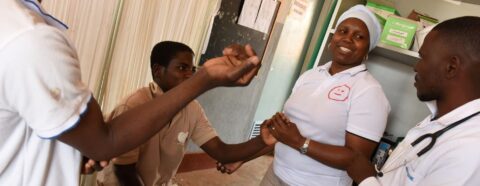
NLR is delighted to announce that it received funding to start PEP (post-exposure prophylaxis) projects in Mozambique and Nigeria.

Currently, there are only three African governments that have some experience with the PEP approach: Morocco, Tanzania, and the Comoros. Other endemic countries such as Mozambique and Nigeria have not yet started.

Mozambique and Nigeria are two of the most endemic countries in Africa and are included in the WHO priority countries for leprosy.

According to the WHO 2018 leprosy update, Mozambique and Nigeria had 2,422 and 2,095 newly detected leprosy patients respectively, thereby accounting for over twenty percent of the total new leprosy patients in Africa. In Mozambique, leprosy was declared to no longer be a public health problem in 2008 and yet there is a rise in the number of new patients. In Nigeria, the focus of both the government and the international community has switched to diseases like tuberculosis, taking funding and political interest away from leprosy, causing a stall in its detection and treatment.

For these reasons, the projects will incorporate interventions such as active leprosy case finding, mapping of leprosy patients to identify patient clusters for targeted interventions, distributing single-dose rifampicin (SDR-PEP) to more than 30,000 contacts of leprosy patients, and strengthening of the national leprosy control programmes through capacity building of nearly 2,000 health workers in both countries. The project will start in January 2020 and last a total of three years.

At the end of project, it is expected that both countries will have the following outcomes:

  • The Ministries of Health will have formally included SDR-PEP in the national strategies on leprosy;
  • The project intervention areas in the countries will have fully functioning leprosy control programmes, including SDR-PEP administration, with adequately trained staff, resources, and ongoing leprosy related activities; and
  • Self-care will be an integrated part of leprosy related interventions in both Mozambique and Nigeria.

The Bologna Declaration

The Association for the Advancement of Assistive Technology in Europe has published a declaration calling for access to assistive technology to be improved as a way of realising the human rights of disabled people.

According to AAATE, people are made more disabled through inaccessible environments, products or services and/or they lack access to appropriate assistive technology. But there is technology available to support the equal opportunities and full participation for everyone in all aspects of their lives.

This declaration is asking that everyone with influence on policy and practice relating to assistive technology provision, take measures to improve access to high quality assistive technology solutions, for anyone who might benefit from them, everywhere in the world and irrespective of age, gender, ethnicity, sexual orientation, or cause of disability.

The World Health Organization (WHO) has said that more than 1 billion people worldwide need one or more assistive products. By 2030 more than two billion people will need at least one assistive product, with many older people needing two or more. Today, only one in 10 people in need have access to assistive products, which include hearing aids, wheelchairs, communication aids, glasses, prostheses, pill organisers and memory aids.

The causes of the discrepancy between need for and access to appropriate assistive products include: a lack of sufficient information; of necessary skills; of resources; of well-developed health; social care or educational service delivery systems; of political priority; and of attention to fundamental human rights. These are not just problems in low- and middle-income countries, they are global challenges that require action everywhere.

What can you do? Endorse the declaration, which is open until December 2019, or learn more about how assistive technologies can increase the health, wellbeing and socioeconomic stability of everyone.

ILEP’s meeting with Novartis

This month the ILEP President (Jan van Berkel) and CEO (Geoff Warne) had a day in Basel, meeting some of the Novartis team most involved in leprosy.

We saw in person how a commitment to leprosy flows from the most senior levels in the company. An earlier Update explained that Novartis’ ‘home’ for leprosy has shifted from the Novartis Foundation to the Social Business section of the company. This converts into greater bandwidth for leprosy. Mark Alexander Rogers, Novartis’ new lead person on leprosy, is able to draw on expertise from different sections of the company. Examples include:

  • development of digital learning materials in leprosy, targeted initially at physicians;
  • new focus on monitoring gaps or shortages in MDT drug delivery;
  • co-leadership in the new GPZL workgroup on diagnostic tools; and
  • ongoing monitoring of the effect of the LPEP programme on new case numbers.

It was positive to see that Novartis’ commitment to leprosy continues to grow and that the leprosy world will be seeing people with a greater diversity of skill focussing on the leprosy question.


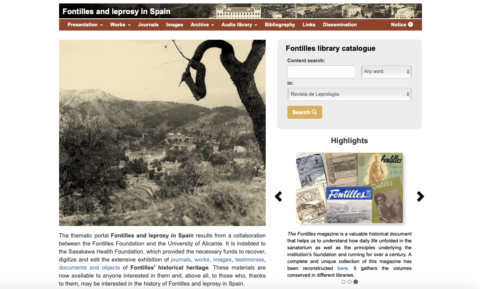
Fontilles published portal in English

Fontilles recently published the full English version of the Fontilles and leprosy in Spain portal of the Miguel de Cervantes Digital Library.

This new English portal includes the Fontilles Historical Archive and the Digital Library Miguel de Cervantes. They were developed by Fontilles and the University of Alicante in collaboration with the Sasakawa Health Foundation.

The portal has the double goal of protecting Fontilles’ heritage and presenting that legacy to society, as an example and inspiration for the struggle against social exclusion in the 21st century. The portal has historical and scientific value as it showcases more than a hundred years of recovered, digitised and edited exhibitions of journals, works, images, testimonies, and documents. It reflects on all of the social, economic, cultural and religious elements of the history of Spain during this period of time.

These materials are now available to anyone interested in them and, above all, to those who may be interested in the history of Fontilles and leprosy in Spain.

Assistive device expert goes to GReAT

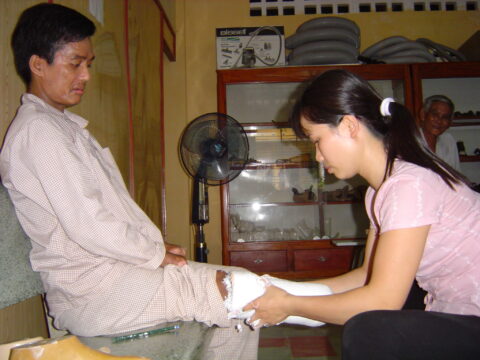
NLR sponsored Hoa Pham, a Vietnamese orthopaedic technologist with extensive experience, to participate and contribute to the GReAT Consultation 2019 in Geneva.

The Global Report on effective access to Assistive Technology (GReAT) Consultation 2019 was held in Geneva on 22 and 23 August 2019 and brought academics, practitioners, policy makers, and assistive technology users together to guide the content development of the Global Report. There were 260 participants with diverse backgrounds including users, researchers, practitioners, innovators and educators from the global assistive technology community.

She concluded that: “the GReAT consultation covered a very wide range of issues. The discussions in plenary sessions or in the different working groups were an opportunity for the participants to express their views around the themes chosen for the discussions, building on the numerous reports and assessments that had been carried out previously in the frame of this consultation or before. This type of consultation is very important to give more emphasis on assistive technology and to raise its status as an important area of health. The conference built on studies originating from many countries. Although I specialise in technology and there was not much technical contribution, this conference was a great opportunity to improve my understanding about assistive technology and products which are very broad terms.”

NLR’s work on assistive technology

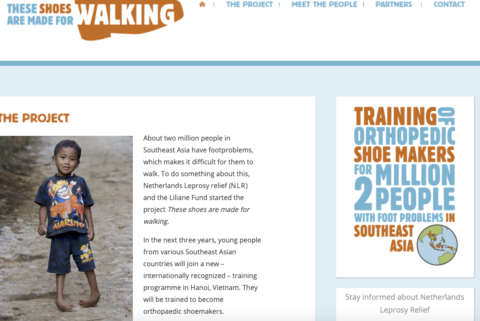
These shoes are made for walking’, an NLR and Liliane Foundation project, helps to train more orthopaedic shoemakers in Southeast Asia.

Hoa Pham, a Vietnamese orthopaedic technologist, helped to train students from various Southeast Asian countries to become orthopaedic shoemakers. After their graduation, the students started working in their own countries. NLR and the Liliane Foundation used their existing network to get them started. By working together with existing orthopaedic and rehabilitation centres in Vietnam, Indonesia, Myanmar, Laos and Cambodia, they will start building a network of orthopaedic shoemakers throughout Southeast Asia.

The aim was to make orthopaedics accessible for people who need them. Especially children with spasticity, clubfeet or polio and people who are affected by leprosy, lymphatic filariasis or diabetes.

Political declaration on Universal Health Coverage

The first high-level meeting on Universal Health Coverage (UHC) was held in New York under the theme, “Universal Health Coverage: Moving Together to Build a Healthier World” in late September.

The meeting was looking to move progress forward on UHC and addressed financial risk protection, access to quality essential healthcare services, and safe, effective, quality and affordable medicines and vaccines for all. It concluded with the adoption of a declaration.

The political declaration sets out a high-level framework for the development and implementation of national UHC plans with the engagement of civil society organisations and other stakeholders.

The declaration strengthens movement on SDG target 3.8 on universal health coverage and the WHO’s ‘triple billion goals’, which include extending UHC to one billion more people by 2023. Though Member States welcomed the declaration, they did express concerns regarding the health impacts of climate change, health coverage for migrants and refugees, and language around sexual and reproductive health and rights.

The WHO said that the declaration was the world’s most comprehensive set of health commitments to be adopted at this level.

effect:hope welcomes its new CEO!

Earlier this month, effect:hope welcomed Kim Evans as its new CEO.

A visionary leader and strategist, Evans received her law degree from Western University in London, Ontario, Canada and practised for 18 years. She then worked for 16 years at Inter-Varsity Christian Fellowship of Canada, an organisation focused on inspiring students and youth in their faith. In her role as Senior VP of Advancement and Strategic Operations, she galvanised her team around a mission and increased support for the cause. Evans aims to make a strong, positive impact at effect:hope and generate awareness and funds for people affected by leprosy and other neglected tropical diseases (NTDs).

“Experience has taught me that people are generous and have an innate desire to help people who suffer,” says Evans. “There is so much need among the people we serve, but effect:hope is alleviating their physical, emotional and social challenges through our faithful donors, partners and programmes.”

Since 1892, effect:hope has been working to reduce stigma and provide ongoing care for people affected by diseases such as leprosy with the goal of perhaps one day, seeing the diseases eradicated forever. Prior to Evans’ arrival, the Markham, Ontario-based Christian international development organisation was led by Peter Derrick, who retired at the end of August 2019.

“I’m honoured to work alongside a team and partner organisations that are passionate about being agents of hope – dedicated to eliminating NTDs, empowering people in their communities, and effecting lasting, positive change for the future,” says Evans. “I’m also intrigued by the innovative research taking place that takes us one step closer to solving the mystery of leprosy transmission.”

In the next few months, Evans will be busy meeting with donors, visiting the field, and attending partnership conventions. In between travels, and having only recently moved to Toronto, she looks forward to settling into a beloved and truly Canadian routine of hockey and Tim Hortons coffee!

Kim Evans would love to get to know the ILEP community. Feel free to introduce yourself and email her at kevans@effecthope.org, or if you are in the Toronto area on October 10, please attend an evening event where she will be officially commissioned as effect:hope’s new leader. RSVP by emailing bshields@effecthope.org by October 4.

New ILEP Board includes Maryse Legault

We’re delighted to announce that Maryse Legault has been elected to the ILEP Executive Board.

Maryse is director of Secour aux Lepreux/Leprosy Relief in Canada, where she first joined in 1981. She has a graduate degree in genetics and an MBA in nonprofit management, and extensive experience in both science and administration.

Maryse replaces Burkard Kömm. Brent Morgan (TLMI) was re-elected for a third 2-year term and takes over from Burkard as Treasurer. The other Executive Board members are Jan van Berkel (NLR), Alex Jaucot (DFB) and Bill Simmons (ALM).

WHO Global Leprosy Update

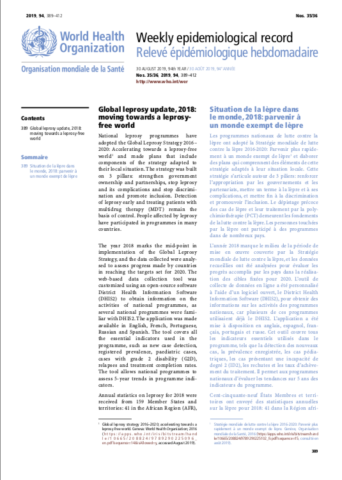
The 2018 Global Leprosy Update was published in the Weekly Epidemiological Review on 30 August. This report is WHO’s snapshot of the global leprosy situation at the end of 2018. This year’s report is longer and more thorough than the previous one, with a wealth of detailed country information. Read the full report here or read Dr Paul Saunderson’s, chair of the ILEP Technical Commission, brief commentary below.

Commentary on the Global Leprosy Update, 2018, published by WHO on 30 August 2019

By Dr Paul Saunderson

There are two very welcome and important changes in the current Global Leprosy update from WHO. Firstly, it includes for the first time an analysis of the new leprosy case detection rate in children (or, to be more precise, the age-specific rate in children), which provides a clearer picture of the trend towards reduced transmission than any other indicator that is easily available. Secondly, the report is much longer than previous reports. At 23 pages of the Weekly Epidemiological Record, and includes much additional information, analysis and commentary. It also includes country level data which had to be presented in a supplementary Table last year.

In the past, it has been routine to talk about the percentage of all new cases that were under 15 years of age; usually this was under 10%, sometimes as low as 3%, but in some of the highly endemic islands, as high as 30%. This was a reasonable indicator when the number of cases was high, but as the total number of cases (the denominator in the equation) gets lower, the result is less meaningful. For example, if there are only 10 cases reported, one child is already 10% of the total. A larger and more stable denominator is needed, and the total number of children in the population being considered seems the most appropriate: the number of leprosy cases in children can then be expressed per 100,000 children (or per million children), giving a much more stable figure which will show trends over time and allow comparisons between different areas. Another advantage of this indicator is that we already have the data for at least the last 30 years on which to base the calculations.

Figure 1 of this year’s report (on page 397 of WER, 2019: 94, 389-412) shows trends in the new leprosy case detection rate among children, by WHO Region, 2014-18. There is a general downward trend, with differences between regions. Although population size is growing, the downward trend can be confirmed by looking at the actual number of new cases reported in children (for example, 22,450 in 2007; 18,719 in 2014; and 16,013 reported in 2018). Global indicators may be distorted by the inclusion of large populations with very few cases (cf. global prevalence figures around the year 2000), and this effect is seen to a lesser extent in the regional figures used in Figure 1.  At the other extreme, looking at very small areas with low populations is also distorting. In general, the new case rate in children is ideal for looking at trends in country-level data, and it is very good to see that the “data are being analysed for all countries for further discussion of use of this indicator in understanding recent transmission of infection.” (Pages 397-8)

With new recommendations from WHO last year on the prevention of leprosy, it is important to find ways to monitor any effects these may have, and the rate of new cases in children may be very useful in this respect. The new case rate in adults is likely to decline slowly in parallel, but the graph of that decline will have a long tail, as the cases with a long incubation time appear over several decades in the middle-aged and elderly populations (cf. leprosy elimination in Norway, between 1860 and 1920: Irgens LM. Int J Lepr 1985: 53, 610-617).

Progress towards targets relating to disability and discrimination remains steady, but trends will only be apparent over several years. Relatively new columns in the database include the number of child cases with Grade 2 disability, the number of foreign-born cases, and the numbers of relapses and retreatment cases. All of these indicators show an increase from the 2017 data, but this is most likely due to more complete reporting: trends will only become clear when more datapoints are published.

In its Editorial note (pages 399-400), WHO mentions a possible new indicator that could be reported, namely the coverage of contacts with chemoprophylaxis. On the principle of ‘what gets measured, gets done,’ ILEP should encourage WHO to ask countries to report this information, for inclusion in future reports. If space is a problem, now may be a good time to ditch the prevalence figures once and for all. While the first few years may not give accurate or complete information, this would gradually improve. Promoting chemoprophylaxis in contacts helps to promote contact examination, which is the most cost-effective method of improving new case detection, with the subsequent benefit of reduced Grade 2 disability in new cases. Ideally, countries could report the number of contacts (or people in any other defined target group) examined, and the number given chemoprophylaxis; the first number should always be higher than the second, and will allow countries to report active case-finding activities, even if the uptake of chemoprophylaxis proceeds more slowly.

The first Global Forum of People’s Organizations on Hansen’s Disease

At the first Global Forum of People’s Organizations on Hansen’s Disease, which took place from 7-10 September 2019 in Manila, leprosy affected participants had the chance to exchange opinions, ideas and experiences along with strategies on entrepreneurship models to attain sustainability.

Organised by the Sasakawa Health Foundation and the Nippon Foundation, the forum endeavoured to bring together representatives from organisations of persons affected by Hansen’s disease with major stakeholders as observers before the 20th International Leprosy Congress. About 60 members of people’s organisations from 23 different countries participated along with more than 20 stakeholders from various backgrounds.

The purpose of the event was to provide training to build organisational sustainability and capacity of People’s Organizations, and to promote networking among participants. Takahiro Nanri, executive director of SHF, said to IPS reporter Stella Paul that the free flow of ideas and experience sharing among the participants would help to lead the future course of action to eliminate leprosy.

One of the main outcomes of the assembly was a demand to adopt a higher level of respect and make leprosy affected people central to any policy decisions being made.

Recommendations included that those affected by the disease should have a more inclusive role in the global campaign against leprosy. The recommendations made by the participants of the Forum were declared to global academics, scientists, researchers, health staff and partners during the opening session of the ILC and can be found here.

Country Coordination Meetings

Two ILEP Coordination meetings took place in Manila on 9 September. The countries discussed were Bangladesh and Niger.

The Bangladesh meeting resulted in the ILEP Members identifying several areas for possible collaboration in the future. It was agreed that an ILEP Member meeting will take place within the next month to revisit the ideas and recommendations that resulted from this meeting. These recommendations included the ILEP Members gathering to decide on the key inputs / priorities for the next National Leprosy Programme (NLP) strategy and to present these as a collective ILEP position to the NLP, supporting the expansion of the DHIS2 (data collection system), developing a reaction monitoring system, increasing shared active case finding campaigns, exploring joint initiatives and operational research that could lead to shared learning and advocacy points, working with the Leprosy and TB Coordination Committee to influence government budget allocations, and exploring the potential to secure funding to ensure that leprosy identification and treatment is done by the local government in the temporary Rohingya camps.

The Niger meeting resulted in several recommendations which included ILEP Members having an annual coordination meeting to share information, avoid overlaps and share resources, integrating the different strategic plans (Fondation Raoul Follereau supports the national strategic plan while The Leprosy Mission International has its own strategic plan) with a focus on active screening, improving the quality of data and its use, developing an e-learning module to improve the knowledge / training of practitioners and nurses on neglected tropical diseases, collaborating to abolish the existing discriminatory law which excludes children affected by leprosy from education.

GPZL update – September 2019

GPZL has launched the Zero Leprosy Toolkit in September at ILC, and is in the process of updating its Action Framework.

The GPZL Leadership Team had a full day meeting on 9 September in Manila before the International Leprosy Congress. The major agenda item was a thorough review of the GPZL Action Framework, which describes the long-range strategy of GPZL. This needed revising, partly because of the achievements to date, partly because GPZL is no longer in its ‘early formation’ period, and partly to reflect the 2030 targets for leprosy in the WHO NTD Roadmap. Work is continuing on this, and it is likely to be followed by a more detailed strategy document.

GPZL also launched the Zero Leprosy Toolkit, a set of field-tested best practices designed to support countries in their work towards ending leprosy and its associated disabilities and stigma. This is one of the outcomes of many months of work from the Operational Excellence Working Group. GPZL’s September newsletter explains: “Some of these best practices are scientific evidence-based, while others are practice-based because of their valuable contribution they’ve made to programmes. The tools were collected and reviewed under leadership of the national leprosy programme managers and partners for their relevance for the larger leprosy community.” We recommend that all ILEP Members and implementing partners be familiar with this Toolkit.

Members’ Assembly Open Session

On September 10 the ILEP Members’ Assembly held a morning session that was open to all.

The session included updates from The Global Partnership for Zero Leprosy, WHO Global Leprosy Programme, Alice Cruz – the UN Special Rapporteur on the Rights of Persons Affected by Leprosy, Infolep, and e-health technologies.

Short presentations were given by the ILEP Members on their experiences in using or developing e-health technologies for new digital activities such as collecting and holding patient information, mapping, telemedicine or other programme-level information systems.

These presentations served as a taster for the ILEP conference, which will take place in March 2020, with a focus on new technologies and leprosy expertise.

The 20th International Leprosy Congress

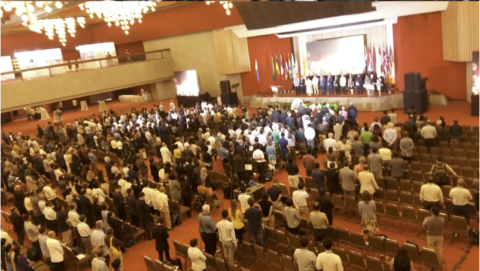
More than 1,000 delegates from 55 countries met in Manila to share research and experience on all facets of leprosy.

The International Leprosy Congress is a once-in-three-years ‘snapshot’ of the leprosy world. It was impressive to see people who had attended six, seven or even more Congresses over the years. But equally impressive, we saw large numbers of scientists and practitioners who are relatively new to the leprosy field, including 12% of delegates under 30 years of age. The overall theme was “Global partnership in addressing current challenges”. Many speakers referred to the Global Partnership for Zero Leprosy, which was formed as a direct outcome of the 2016 Congress, and more generally to the need to work together if we are to achieve the goal of zero leprosy.

The organisers prepared a 7-minute highlights video which can be viewed here. Compared with the 2016 Congress, there was an increase in the participation of persons affected by leprosy – boosted by the Global Forum which was held just before the Congress – and in the number of sessions on human rights, participation and psycho-social aspects of leprosy. The rise in importance of post-exposure prophylaxis was also evident in the number of sessions devoted to PEP and contact screening.

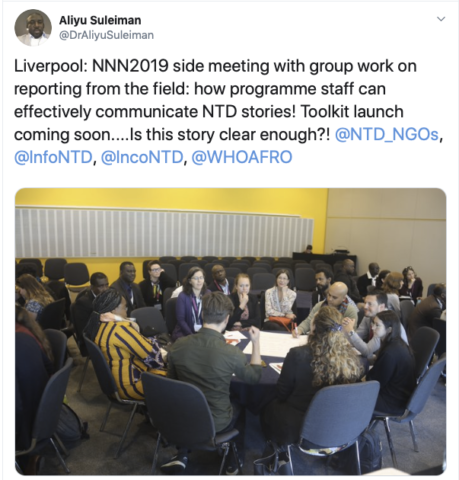
NNN Conference 2019 in Liverpool

A successful NTDs NGO Network (NNN) Conference saw the inaugural NTD Innovation Prize, an initiative of American Leprosy Missions.

Through the support of six ILEP Members, ILEP was one of the platinum sponsors of this Conference. Given that the International Leprosy Congress was just a few days earlier, it was pleasing to see plenty of ILEP connected people in Liverpool. Each attendee will have his or her highlights. For ILEP’s CEO these included:

  • A moving, personal account at the opening plenary by Rajni Kant Singh, who has experienced lymphatic filariasis and now works for Lepra in India.
  • Participation by Dr Mwele Malecela, head of WHO NTDs department, throughout the Conference, including the opening plenary when she emphasised partnership.
  • An instructive half day on leprosy led by Erwin Cooreman (team leader, WHO Global Leprosy Programme) and Christine Fenenga from GPZL.
  • A well-attended session on participation by persons affected by NTDs, co-led by Mathias Duck (ILEP Advisory Panel), Suresh Dhondge and John Sammadar of The Leprosy Mission.
  • The inaugural NTD Innovation Prize, a cash award of $25,000. This was an initiative of American Leprosy Missions. You can read here about the winners and other finalists.

In the closing plenary, one of the past chairpersons reminded the Conference how leprosy had “infiltrated” the NNN back in 2009. We now have a major presence there.

A new informal network of institutional fundraisers in Nepal

ILEP institutional fundraisers in Nepal have decided to work together and form an informal network. This network will help the international funders to overcome the possible perception of lack of accountability and the difficulty they may face in establishing credible references when dealing with outside funding agencies.

The network will be fundraising and implementing programmes or projects related to leprosy, other NTDs and disability throughout the country as part of their institutional responsibility to generate resources and implement joint programmes. The coordinator of this network is Paritra Tamrakar of NLR.

This Institutional Fundraising Network has the following participants:

  • International Nepal Fellowship;
  • NLR Nepal;
  • Nepal Leprosy Trust;
  • The Leprosy Mission Nepal (TLMN);
  • FAIRMED; and
  • Damien Foundation Nepal.

The network has connected with Christine Fenenga, the Operational Excellence Working Group Coordinator of the Global Partnership for Zero Leprosy, to discuss the opportunities and challenges for fundraising relating to the outcome of the GPZL Nepal Country Review.

This is a great example of ILEP Members inspiring the rest of us around country coordination!

CRPD Committee highlights leprosy

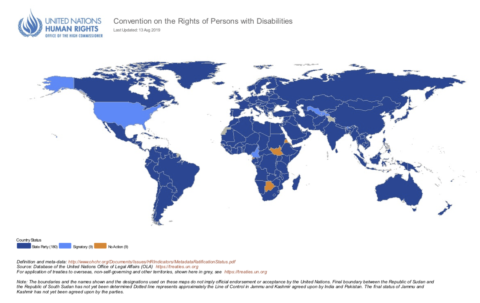
The CRPD Committee has highlighted leprosy in its concluding observations on India, and is showing a strong ongoing interest in human rights for persons affected by leprosy.

This month ILEP has made four written and oral submissions to the CRPD (Convention of the Rights of Persons with Disabilities) Committee. These are on the human rights situation facing persons affected by leprosy in Lao PDR, Mexico and Venezuela, and discriminatory laws in Singapore.

We are delighted to see frequent mention of leprosy in the CRPD Committee’s concluding observations on India. In particular, paragraph 12(b) calls on the Government of India to repeal all discriminatory laws and to be guided by the “UN Principles and Guidelines for the elimination of discrimination against persons affected by leprosy and their family members to address the situation of persons affected by leprosy. These were two of our key points of advocacy with the Committee.

New report on rehabilitation for human rights and SDGs

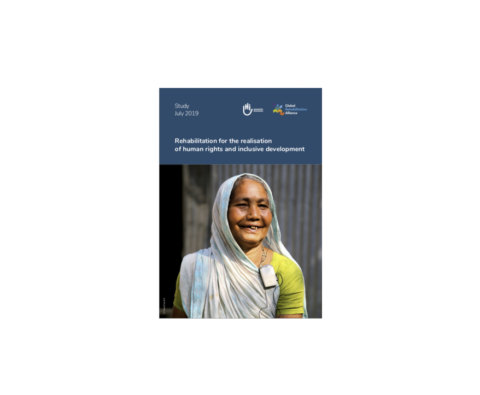
Humanity & Inclusion and the Global Rehabilitation Alliance recently published the Report “Rehabilitation for the realisation of human rights and inclusive development,” which places rehabilitation and disability within the context of the Sustainable Development Goals (SDGs) and Universal Health Coverage (UHC).

The report highlights that rehabilitation plays a key role in enacting both the UN Convention on the Rights of Persons with Disabilities and the SDGs. Understanding the links between these instruments has the potential to support substantial progress towards the realisation of the SDGs, using disability-inclusion as a framework for action.

Fifty per cent of people with disabilities in many developing countries have unmet needs for rehabilitation, which constitutes a failure to uphold their human right to health and wellbeing.

ILEP Members will be most interested to read the conclusion as it provides sets of specific recommendations for different stakeholders (states, donors and civil society, including disabled people’s organisations), which have the potential to strengthen rehabilitation services and improve the health and wellbeing of millions around the world.

Systematic integration of rehabilitation into health systems, development of sustainable funding mechanisms aiming at UHC, and support to Community-Based Rehabilitation have been identified as crucial elements to make much-needed progress.

3rd Community Based Rehabilitation World Congress call for abstracts/proposals

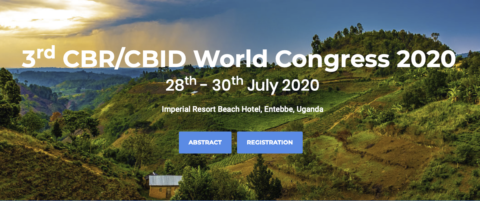
The 3rd CBR/CBID World Congress will be taking place on 28-30 July 2020 in Entebbe, Uganda with the theme to Leave No One Behind – local to global multisectoral collaboration for persons with disabilities to realise their human rights in communities.

The Congress will act as a major global focus point for all stakeholders in CBR/CBID and Inclusive Development to share their voice, demonstrate best practices, document innovations, forge new directions including using digital technology and social media in social action, construct strategic alliances, and formulate innovative disability services. This Congress is the subsequent step to make the aspirations and commitments of global statements on CBR/CBID a reality. It is continuing to build on the progress made earlier in the CBR/CBID congresses focusing on shaping the future of disability services and inclusive development actions globally for individuals with different disabilities.

The Congress is also looking for particular participation from other marginalised groups such as women, ethnic minorities, members of the aging population and activist groups. They are also calling for abstracts / proposals for presentations and workshops on a wide range of topics, for example food justice, women’s rights, the role of carers, disaster risk reduction, people affected by neglected tropical diseases, as these relate to people with disabilities and their families. The hope is to have innovative and practical presentations – that can even be provocative with a focus on learning for all the participants. They encourage presentations from under-represented groups and presentations in unusual and innovative formats. Whatever the format, they expect all the presentations to be participative and engaging – creating dialogue with one another, not just talking at people!

With the expectation of about a thousand participants, the CBR Global Network is hoping to get abstracts/proposals particularly from people who are not academics but are practitioners with something interesting to share.

The submission of abstracts/proposals is due by 31 October 2019 and you can find more information here.

Ending NTDs in Nepal through Women-Led WASH

Neglected tropical diseases (NTDs) persist in places like Nepal where many people living in poverty do not have adequate water, sanitation and hygiene (WASH).

This contributes to the spread of NTDs like leprosy, which can cause disabilities and drive people deeper into poverty.  The WASH programme at ALM is stopping this vicious cycle with:

  • WAter: providing a safe water supply for consumption and improving water quality.
  • Sanitation: improving sanitation which reduces the contamination of the environment.
  • Hygiene: teaching better personal hygiene practices and providing health education.

Empowering Women

Women’s groups in Nepal are being trained on improving water, sanitation and hygiene.

What’s more, this project is improving WASH and stopping disease by empowering women. Women have a higher stake in the improvement of water and sanitation services and in sustaining these facilities, yet women rarely have a voice in these decisions. Educating and empowering women plays an important role in overall development. It also improves their quality-of-life and status within their family and community. This women-led WASH project:

  • Reduces long walks to carry water, long waits for a turn at a water source and carrying heavy water containers.
  • Ends the need to wait until dark to defecate in the open fields, and reduces the risk of harassment and assault during nighttime walks to and from the fields.
  • Increases school attendance by girls during menstruation because they now have safe and separate sanitation facilities.

Transforming Lives

Hand-washing stations in schools help kids stay healthy.

The WASH project is working directly with 600 women across 30 villages, transforming the lives of 22,500 people, including 5,000 school children.

  • Nine schools have received information on WASH and NTDs.
  • Three of five hand-washing stations in schools are completed and two are nearing completion.
  • Three of five key water points are protected through infrastructure development and two are nearing completion.
  • 40 community leaders are trained on WASH and NTDs.
  • Two out of five model community toilets and hand-washing stations are complete and three are nearly complete.

Reposted with permission from the American Leprosy Missions – originally published in July 2019 here.

Josiane’s Story

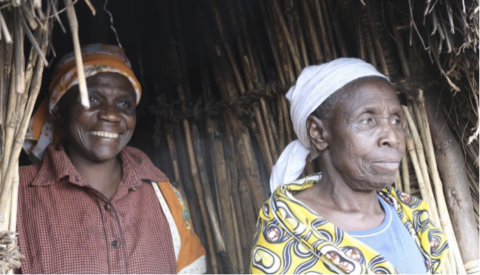
Josiane lives with her mother Josephine in a little grass hut with a beautiful view of the hills near Bukavu, Eastern Congo. She welcomes us with a smile and our visit creates quite a stir among the neighbours. They don’t get visitors here very often.

“I was born in 1970 on this hill,” Josiane tells us. “There was never any talk about my going to school when I was a little girl but I was expected to help with the housework. When I was 17 I started to get spots on my skin and I wondered what that could be.” The spots were numb, and Josiane soon discovered that her hands and feet were affected. She also got grave ulcers. She went to two different hospitals but didn’t receive any help.

“Six years ago I finally got help and received surgical treatment for my ulcers,” she continues. “However, my hands are not okay, several fingers are damaged, and my toes have disappeared.”

At first, Josiane experienced stigma from her community. “When the signs of leprosy became visible, my neighbours disappeared. Nobody said hello to me and they avoided meeting me.” Thanks to the visits and awareness raising campaigns of TLM Congo however, Josiane and her mother are now accepted in the village and no longer shunned by their neighbours. “They even bring their children for me to look after, when they are out in the fields working. This child belongs to a neighbour,” Josiane says, pointing to a little child asleep on the floor. “Now my neighbours have learned that I am not dangerous or contagious, so they ask me for help with babysitting.”

Josiane was married and had 11 children, but sadly, most of them died at childbirth. Her husband drove her away when the signs of leprosy became apparent. She then went back to her mother, who also had leprosy, and today they share the hut. Josiane’s one surviving child, a son, lives in Bukavu and sometimes comes home to visit. He is her pride and joy. Josiane has a deep dream and longing for her own house with room enough for her son.

She also has other dreams for the future: “I would like to set up a simple little shop. Imagine being able to sell rice, soap, palm oil, salt and a few other necessities.”

Every Sunday Josiane and her mother go to the church that they belong to, even though it is a long walk. They have always been welcomed into the church and they really appreciate the fellowship there.

Reposted with permission from The Leprosy Mission International – originally published in July 2019 here.

Leprosy on the CRPD Committee’s agenda

On 26 August 2019 Geoff Warne, ILEP CEO, addressed the Committee at its opening session.

He thanked them for so positively including the disabling effects of leprosy within the scope of their work. Even when there are no visible impairments, the mere label of leprosy so often results in social exclusion and loss of rights.

On 27 August he and Dr Zaw Moe Aung (The Leprosy Mission) spoke about leprosy and human rights in Myanmar. During the coming weeks, the Committee will consider ILEP’s written and oral submissions on five other countries – India, Mexico, Venezuela, Lao and Singapore. All are important but the highest priority is urging the Committee to keep the pressure on India to repeal or amend all of its 108 discriminatory laws and introduce positive legislation that supports inclusion of people affected by leprosy.

Zero leprosy country review: Nepal

At the invitation of the Ministry of Health, the Global Partnership for Zero Leprosy (GPZL) and the World Health Organization (WHO) conducted a joint review of the leprosy programme in Nepal in July.

This was done in close collaboration with ILEP and other NGOs and organisations of persons affected by leprosy. The intention was to assess the programme’s current status and define key priorities. A ten-year Zero Leprosy Roadmap for Nepal was developed by a broad range of stakeholders and presented to the Minister of Health and other senior officials of the Health Ministry. Additionally, the officials promised to set in motion the abolishment of the only remaining law in Nepal that discriminates against persons affected by leprosy.This was the first pilot of GPZL’s country model, and there was much to be learned from the experience. Findings will be presented at the International Leprosy Congress in September. When the official report is produced, we will let you know.

The GPZL research reports are now online

The GPZL’s Research Agenda Working Group analysed leprosy research and developed priorities in the key areas that are expected to accelerate progress towards zero leprosy. This completed body of work now forms globally agreed research agenda for leprosy. The reports from the eight sub-groups are now available on their website. Edited versions will be published in the Leprosy Review in September 2019.

The eight sub-groups worked through 2018 and into 2019 to identify research gaps and propose zero leprosy priorities in each of their topic areas, which included Post-Exposure Prophylaxis (PEP), disability as well as many others. This endeavour included more than 150 scientists and researchers who were directly involved. The larger aim has been to align the leprosy community around key research priorities so that they can provide a scientific framework for the resource mobilisation (the 100&Change proposal for example) and joint work essential to achieving the goal of zero leprosy.

MacArthur Foundation proposal final submission

A proposal for the 100&Change, a MacArthur Foundation competition for US $100 million, was submitted on August 6.

MacArthur’s goal is to use its investments to take on problems that cannot be solved any other way than through a huge infusion of funding over a short period of time. Results needed to be framed within a five- and 10-year period. The proposal included PEP and anti-stigma initiatives. The coordinating lead was the Task Force for Global Health. The Leprosy Mission International and interested ILEP Members led the PEP section, and IDEA (with additional guidance from Dr Alice Cruz) led the anti-stigma section. The development of this proposal raised several interesting questions including what is the Global Partnership for Zero Leprosy’s timeline for getting to zero leprosy and how can this be quantified for potential donors and partners. This was a great example of what can happen when ILEP Members and stakeholders collaborate.